China Best Middle Efficiency Filter Media Manufacturer?
Choosing the China Best Middle Efficiency Filter Media Manufacturer requires more than comparing prices or catalog photographs. “Best” depends on airflow, dust loading, pressure drop, humidity, and the intended HVAC application. Middle Efficiency Filter Media is commonly used in commercial buildings, hospitals, factories, and pre-filtration stages. It must balance particle capture with manageable energy consumption.
The International Energy Agency reports that buildings consume approximately 30% of global final energy. Filtration therefore affects both indoor air quality and operating costs. A filter that captures particles effectively may still create excessive resistance. That resistance increases fan energy and can shorten equipment life. ASHRAE Standard 52.2 provides a recognized method for testing removal efficiency through MERV ratings. ISO 16890 offers another framework, using ePM1, ePM2.5, and ePM10 performance categories. These standards help buyers compare measurable results instead of relying on vague claims.
A credible Chinese manufacturer should provide tested efficiency, initial pressure drop, dust-holding capacity, fiber composition, frame options, and production traceability. Independent laboratory reports matter. So do batch records and consistent dimensions. Practical experience also reveals small weaknesses, such as poor sealing around the frame or unstable media pleating. Those details can undermine an otherwise strong filter. No supplier is automatically the best for every project. A reliable evaluation should compare certification, testing conditions, service support, and lifecycle cost. This guide examines manufacturers through those criteria, while recognizing that published data may not fully reflect field performance. Real buildings are less predictable than laboratory chambers. That limitation deserves attention.
What Is Middle-Efficiency Filter Media?
China Best Middle Efficiency Filter Media Manufacturer?
What Is Middle-Efficiency Filter Media?
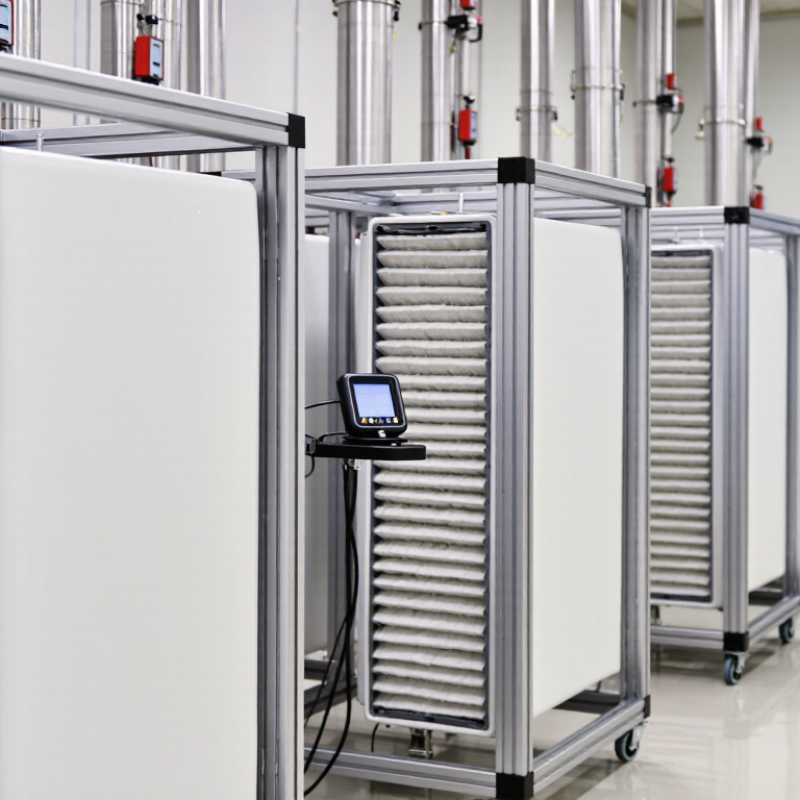
Middle-efficiency filter media is designed for ventilation and air-conditioning systems. It captures dust, lint, pollen, and some fine particles from moving air. Its performance sits between basic coarse filters and high-efficiency filters. It is not a substitute for HEPA filtration. In real installations, the result depends on media structure, airflow, sealing, and maintenance. A filter that looks dense may perform poorly if air bypasses its frame.
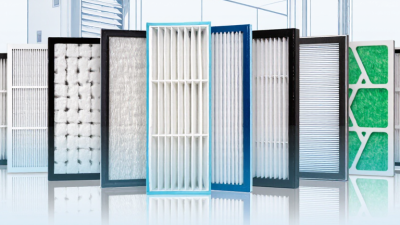
Common media include synthetic fibers, glass fibers, and blended materials. Each option balances particle capture, pressure drop, durability, and cost. Higher efficiency can improve air cleanliness, but it may also increase fan energy use. For this reason, engineers should check test reports rather than rely on appearance or marketing claims. Classification methods vary by region, so buyers should confirm the applicable testing standard. I have seen systems fail because the filter rating was correct, but the dimensions were slightly wrong.
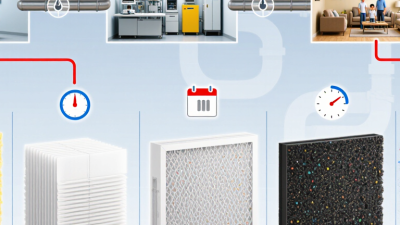
Tips: Check airflow, initial resistance, final resistance, and actual filter dimensions. Inspect the gasket and frame for gaps. Replace overloaded media before airflow becomes noticeably weak. Keep records of replacement dates and pressure readings. Selection is rarely perfect at the first attempt. Real operating data should guide the next decision.
Performance Standards and Essential Selection Criteria
China Best Middle Efficiency Filter Media Manufacturer?
Performance Standards and Essential Selection Criteria
Selecting a middle-efficiency filter media manufacturer requires more than comparing catalog prices. The media should match recognized testing methods, such as ISO 16890 or ASHRAE 52.2. These standards help evaluate particle removal performance under controlled conditions. A reliable supplier should provide complete test reports, not only a single efficiency number. Ask for pressure-drop data, dust-holding capacity, airflow range, and testing conditions. Small details matter.
In practical HVAC projects, pressure drop often becomes the hidden cost. A filter media that captures particles well may also increase fan energy use. Look for stable performance at the intended face velocity. Fiber structure, thickness, pleat design, and moisture resistance should suit the installation environment. For dusty workshops, higher dust-holding capacity may be more useful than a stronger initial rating. For offices, low resistance and consistent airflow may deserve greater attention.
Manufacturer assessment should include batch traceability, quality inspection records, and production consistency. Request samples and test them under similar operating conditions. A clean laboratory result can change after humidity, vibration, or long service exposure. That is easy to overlook. I would also examine edge sealing and media recovery after storage. Perfect selection is rarely possible. One decision may protect air quality, while another reduces operating expense. The right balance depends on measured conditions, not attractive claims.
Key Applications of Middle-Efficiency Filter Media
China Best Middle Efficiency Filter Media Manufacturer?
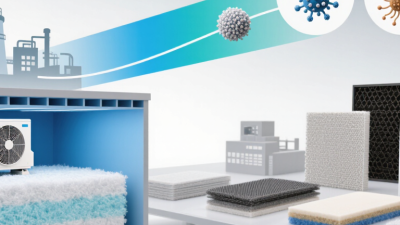
Middle-efficiency filter media supports cleaner air in many commercial and industrial settings. It is commonly used in office HVAC systems, schools, hospitals, laboratories, and production areas. The media captures dust, pollen, fibers, and some airborne particles before they reach finer filters. This layered approach can extend final-filter life and reduce maintenance pressure.
In hospitals, stable filtration helps protect ventilation zones and supports cleaner patient areas. In cleanrooms, middle-efficiency media often works as prefiltration for high-efficiency filters. Factories may use it near assembly lines, warehouses, and air-handling units. During selection, engineers should check particle efficiency, pressure drop, dust-holding capacity, humidity resistance, and frame compatibility. A low initial resistance is useful, but it does not guarantee long service life. Some media load unevenly, especially in dusty environments. That detail is easy to overlook.
Tips: Match the media to airflow and contamination levels. Ask for independent test data. Inspect seals carefully. Replace filters when pressure loss rises, not only by calendar date. No filter is perfect. Regular inspection still matters. Even experienced teams may choose the wrong grade when they focus only on efficiency. Practical testing and honest performance records lead to more reliable results.
Key Applications of Middle-Efficiency Filter Media
The chart shows representative particle-removal efficiency levels at 0.4 μm for filter classes historically defined by EN 779. These media are commonly used in office buildings, commercial HVAC systems, hospitals, clean manufacturing areas, and pre-filtration stages. EN 779 has been replaced by ISO 16890; actual performance depends on the test method, airflow, dust loading, and filter design.