10 Best Sustainable Air Filtration Solutions for Clean Air?
As air quality continues to decline, the need for effective solutions is more pressing than ever. Sustainable air filtration, or "Filtrazione Aria Sostenibile," is at the forefront of this movement. Dr. Maria Rossi, a leading expert in the industry, once said, "The future of clean air relies on our commitment to sustainable practices." This statement emphasizes the importance of integrating sustainability into air filtration technology.
With rising pollution levels, many households and businesses are searching for reliable air filtration systems. Traditional filters may no longer suffice. Consumers are increasingly drawn to solutions that not only purify air but do so sustainably. The journey towards clean air can feel overwhelming, but the emergence of eco-friendly options is encouraging. Each innovation in the "Filtrazione Aria Sostenibile" sector brings us a step closer to healthier living environments.
However, transitioning to these solutions isn't without its challenges. Many are still unaware of the benefits or the various options available. Education plays a crucial role in this shift. As we explore the ten best sustainable air filtration solutions, let’s remember the importance of quality and effectiveness. It’s here that we can truly make a difference.
Overview of Sustainable Air Filtration Solutions
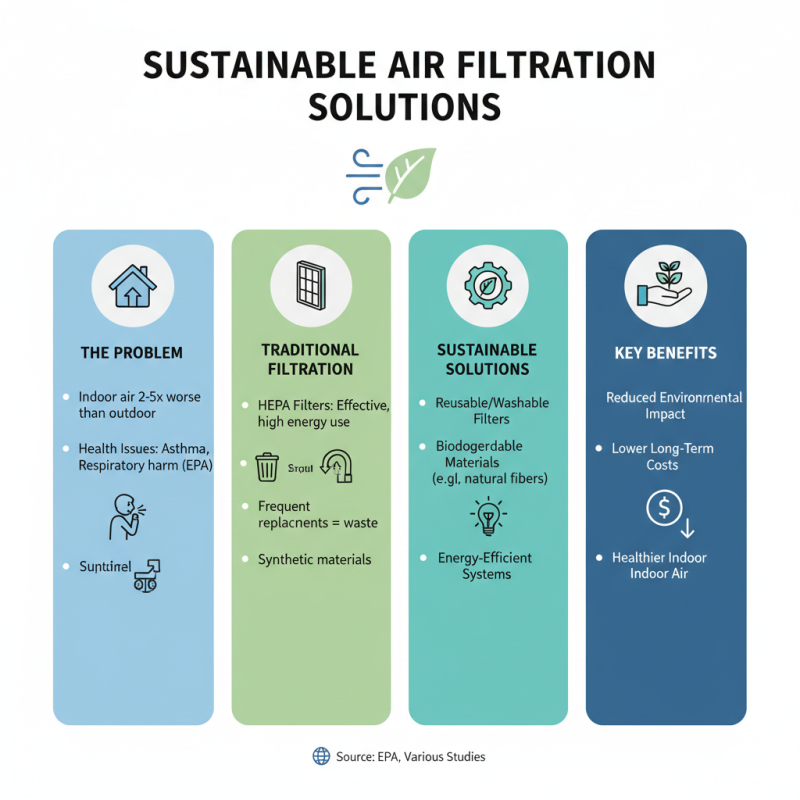
Sustainable air filtration solutions are becoming increasingly important. Indoor air pollution can be 2 to 5 times worse than outdoor air. According to the EPA, poor air quality can lead to health issues such as asthma and respiratory problems. The need for effective air filtration is evident, yet not all methods are sustainable.
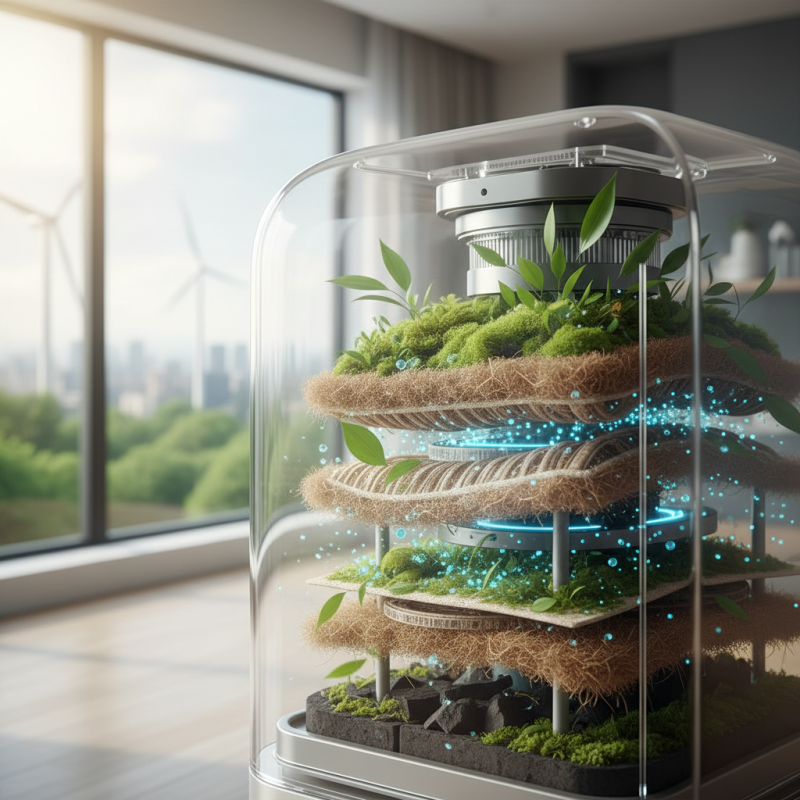
Biodegradable filters use natural materials, providing an eco-friendly option. They break down without harming the environment. Additionally, air purifiers that utilize HEPA technology can capture 99.97% of airborne particles. This efficiency is vital in maintaining clean air, yet the energy consumption of these devices can be a concern.
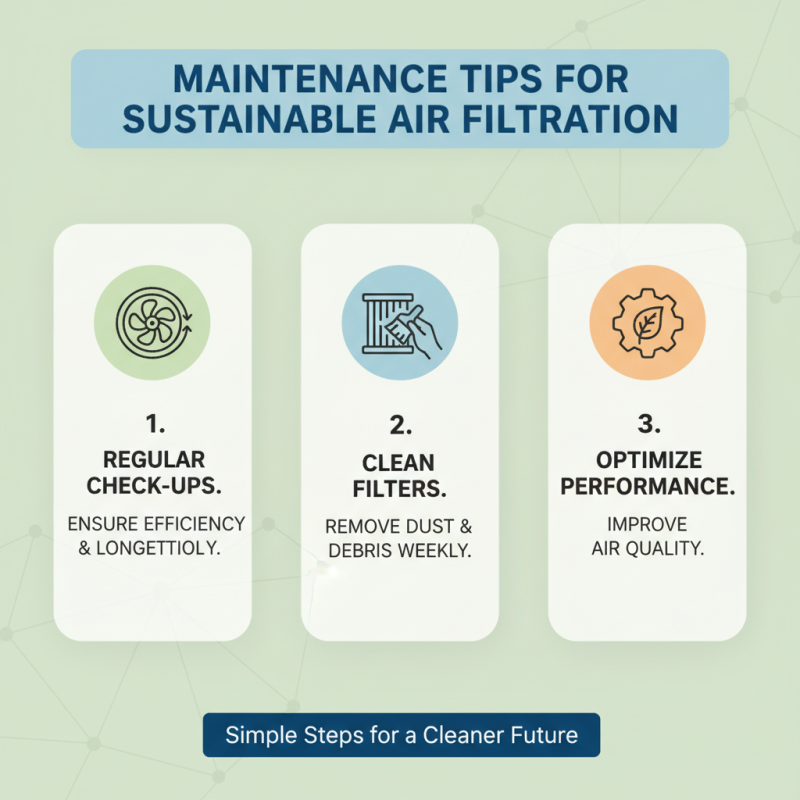
Tips: Consider using plant-based filters to reduce environmental impact. Regularly replace filters to maintain efficiency. Explore options that balance energy use and filtration effectiveness.
Mind your choices when selecting air filtration systems. Many products, while effective, may not be sustainable. Evaluate longevity and material sourcing. Sustainable solutions require thorough research and a commitment to reducing environmental footprints.
Key Features of Effective Air Filters for Sustainability
When exploring sustainable air filtration solutions, key features significantly impact their effectiveness. High-efficiency particulate air (HEPA) filters are crucial. They capture up to 99.97% of particles that are 0.3 microns in size. These filters are recognized for their ability to remove allergens and pollutants, making them essential for clean indoor air.
However, sustainability goes beyond just filtration efficiency. The materials used in manufacturing air filters are also vital. Eco-friendly filters made from renewable resources are increasingly available. A report from the Environmental Protection Agency (EPA) indicates that using biodegradable materials can reduce landfill waste. Additionally, filters designed for longevity require less frequent replacement, contributing to lower environmental impact over time.
Energy efficiency is another aspect to consider. Filters that work well with energy-efficient HVAC systems can significantly lower energy consumption. According to a study by the United Nations Environment Programme, improving indoor air quality can lead to a 10-30% increase in energy efficiency. This is a critical point for discerning consumers who wish to balance air quality and environmental responsibility. Finding solutions that integrate these elements is often challenging, but essential for creating a cleaner, healthier world.
10 Best Sustainable Air Filtration Solutions for Clean Air
| Model |
Filter Type |
CADR (m³/h) |
Energy Efficiency |
Sustainability Features |
Lifespan (months) |
| Model A |
HEPA |
350 |
A++ |
Recyclable materials |
12 |
| Model B |
Activated Carbon |
300 |
A+ |
Carbon neutral manufacturing |
10 |
| Model C |
Pre-Filter + HEPA |
400 |
A++ |
Sustainable packaging |
15 |
| Model D |
UV + HEPA |
250 |
A++ |
Energy-efficient design |
18 |
| Model E |
HEPA + Carbon |
450 |
A+ |
Biodegradable filters |
12 |
| Model F |
HEPA + Ionizer |
300 |
A+ |
Reuse of recycled materials |
14 |
| Model G |
Nano-fiber |
380 |
A++ |
Longevity in filter life |
20 |
| Model H |
Retrofit filter |
270 |
A+ |
Adaptable to existing devices |
24 |
| Model I |
Biological filter |
450 |
A+ |
Natural filtration process |
10 |
| Model J |
HEPA + Photocatalytic |
310 |
A+ |
Non-toxic materials |
15 |
Top 10 Sustainable Air Filtration Systems Reviewed
In recent years, sustainable air filtration systems have gained popularity. People are becoming increasingly aware of air quality issues. As indoor air pollution rises, the need for effective filtration grows. The focus is not just on filtering air, but also on doing so sustainably. Many systems now use renewable materials and energy-efficient designs. This shift reduces the environmental impact of air purification.
Several options stand out in the market for their innovative technology and eco-friendly materials. For instance, some systems rely on activated carbon filters made from coconut shells. These are known for their effective adsorption abilities. Others incorporate HEPA filters that remove 99.97% of airborne particles. These systems not only clean the air but also help create a healthier indoor environment.
However, it's essential to consider maintenance and replacement costs. Some sustainable models may have higher upfront prices. Users might overlook the long-term savings associated with energy efficiency. Reflecting on real-life experiences can provide insights. While many are satisfied, some report challenges in changing filters regularly. This aspect needs to be addressed for optimal performance. Balancing sustainability with practicality can be complex but rewarding.
Comparative Analysis of Eco-Friendly Air Filtration Technologies
In today's world, the demand for clean air is more pressing than ever. Air filtration technologies have evolved significantly, offering various eco-friendly options. Understanding these alternatives is crucial for making informed decisions. Sustainable air filtration systems include HEPA filters, activated carbon filters, and ionizers. Each option presents unique benefits and limitations, impacting both performance and environmental footprint.
HEPA filters effectively trap pollutants, but they often require energy-intensive systems. Activated carbon filters absorb odors and gases but need regular replacement, contributing to waste. Ionizers charge particles in the air, helping them settle. However, they can produce ozone, which may be harmful at high levels.
Tips: Choose a filtration solution that aligns with your specific needs. Consider air quality in your area. Maintain your chosen system to maximize efficiency. Regular cleaning helps prolong filter life. Aim for balance — effective air purification and minimal environmental impact are crucial. Sustainability involves ongoing assessment and mindful choices, especially as technologies advance. Adjust your selection as new options emerge, reflecting a commitment to both health and the planet.
10 Best Sustainable Air Filtration Solutions for Clean Air