Why Sustainable Air Filtration is Essential for a Healthy Environment?
In an era where air quality directly impacts public health, the importance of sustainable air filtration cannot be overstated. Research by the World Health Organization indicates that 7 million people die annually due to indoor and outdoor air pollution. Sustainable air filtration systems, or "Filtrazione Aria Sostenibile," take on a vital role in combating these alarming statistics. Such systems not only improve air quality but also reduce environmental footprints.
Renowned expert Dr. Marco Rossi emphasizes, "Sustainable air filtration is crucial for a healthier planet and society." His insights highlight the need for innovative filtration technologies that are both effective and environmentally friendly. Current reports from the Environmental Protection Agency show that traditional air filters can contribute to landfill waste and harmful emissions.
As the industry shifts towards sustainability, we must critically evaluate our existing methods. There is a challenge in balancing efficiency with ecological responsibility. The future requires us to rethink air filtration systems. Making informed choices is imperative for a healthier environment and life quality.
The Importance of Clean Air for Human Health and Well-being
Clean air is vital for human health and well-being. The World Health Organization (WHO) states that air pollution causes about 7 million deaths each year. Poor air quality is linked to respiratory diseases, heart conditions, and even neurological disorders. With increasing industrialization and urbanization, the air we breathe is more contaminated than ever.
In a recent report, it was found that particulate matter can penetrate deep into the lungs, triggering serious health problems. Children and the elderly are particularly vulnerable. Clean air not only helps prevent diseases, it also enhances our quality of life. Studies indicate that environments with better air quality contribute to improved mental health and productivity.
Many people overlook indoor air pollution. On average, people spend 90% of their time indoors. Without adequate air filtration, pollutants can accumulate. A well-designed air filtration system is essential, as indoor pollutants can be two to five times higher than outdoor levels. Awareness of this issue is growing, but we still have a long way to go in advocating for sustainable air filtration solutions in our homes and workplaces.
Why Sustainable Air Filtration is Essential for a Healthy Environment?
| Dimension |
Description |
Impact on Health |
Filtration Methods |
| Air Quality Index (AQI) |
A measure of air quality, indicating the level of pollutants. |
High AQI values can lead to respiratory problems and decreased overall health. |
HEPA filters, activated carbon filters |
| Particulate Matter (PM2.5) |
Fine particles in the air that can penetrate deep into the lungs. |
Linked to heart disease, lung cancer, and respiratory illnesses. |
Electrostatic filters, Ultraviolet (UV) light purification |
| Volatile Organic Compounds (VOCs) |
Chemical pollutants emitted as gases from certain solids or liquids. |
Can cause headaches, dizziness, and long-term neurological damage. |
Carbon filters, Photocatalytic oxidation |
| Mold Spores |
Fungal spores that can grow in damp environments. |
Can trigger allergic reactions and asthma attacks. |
HEPA filters, Dehumidifiers |
| Carbon Dioxide (CO2) |
A naturally occurring gas that can build up indoors. |
High levels may cause headaches, fatigue, and impaired cognitive function. |
Ventilation systems with air exchange capabilities |
Understanding the Role of Air Filtration in Pollution Control
Air pollution is a pressing global issue. Urban environments suffer from high levels of harmful pollutants. These pollutants can significantly impact human health and the environment. Effective air filtration systems play a critical role in managing this pollution. They capture dust, allergens, and harmful particles before they enter our lungs.
Understanding air filtration involves recognizing its technology and efficacy. Advanced systems use multiple filters to remove various contaminants. HEPA filters, for example, can capture 99.97% of particles that are 0.3 microns in diameter. This is crucial for sensitive populations, including children and the elderly. However, not all air filters are created equal. Many consumers lack knowledge about maintenance and replacement timelines. Neglect can lead to decreased performance.
The importance of sustainable air filtration cannot be overstated. It not only purifies air but also contributes to energy savings. Filters that are designed for longevity reduce waste. This highlights the issue of resource consumption in air purification. Choosing reliable filters can be challenging but essential. Users must stay informed and educated about their options. Ignorance can lead to ineffective solutions and higher risks to health.
Key Benefits of Sustainable Air Filtration Systems
Sustainable air filtration systems offer a wide array of benefits for our health and the environment. They reduce harmful pollutants in the air. Cleaner air contributes to better respiratory health. Many people suffer from asthma or allergies. Effective filtration can significantly alleviate these issues. It’s a simple step to improve the quality of life for many individuals.
Implementing a sustainable system also helps in reducing energy costs. These systems are designed to use less energy compared to traditional filters. A well-chosen filtration system can lower your electricity bills. Look for systems that are energy-efficient. This small change may lead to bigger savings over time.
Tips for choosing air filters include checking for certifications. Look for those that meet established safety standards. Regular maintenance is crucial, too. Clean filters ensure optimal performance. Remember, not all filters are eco-friendly. Research before making decisions. It's essential to find a balance between efficiency and sustainability.
Different Types of Sustainable Air Filtration Technologies
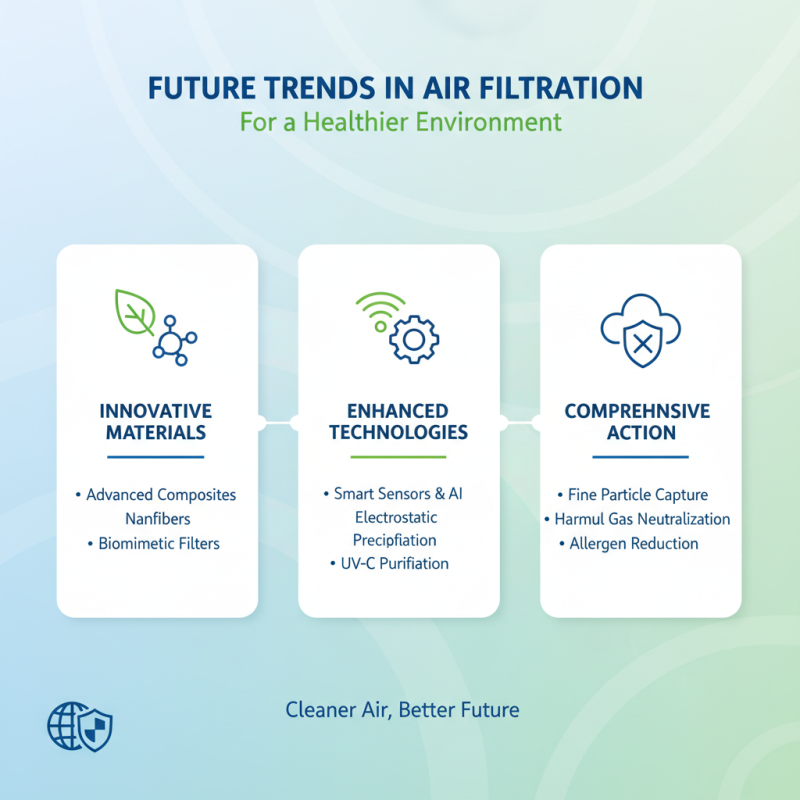
Sustainable air filtration technologies are crucial for improving indoor air quality. According to the World Health Organization, air pollution causes 4.2 million deaths annually. This alarming statistic underscores the need for effective air filtration solutions. Various innovative technologies can help mitigate airborne pollutants and enhance overall health.
One prominent technology is HEPA (High-Efficiency Particulate Air) filters. These filters capture 99.97% of particles as small as 0.3 microns. While HEPA filters are well-known, their effectiveness can be diminished if not maintained properly. Regular changes and proper installation are essential to ensure they work as intended.
Another emerging solution is active carbon filtration. This technology removes volatile organic compounds (VOCs) and odors from the air. Studies show that it can significantly reduce indoor air pollution. However, the longevity of carbon filters can pose challenges. They must be replaced frequently to maintain efficiency, a factor often overlooked by users.
Moreover, electrostatic air purifiers are gaining traction. They use charged particles to attract and trap dust and allergens. Despite their effectiveness, their environmental impact raises questions. The disposal of charged particles might not align with sustainable practices. As the industry evolves, continuous reflection on the implications of these technologies is necessary.
Air Filtration Technologies Impact on Indoor Air Quality
This bar chart represents the effectiveness of different sustainable air filtration technologies in removing indoor air pollutants. HEPA filters score the highest, showcasing their efficiency in improving indoor air quality, while activated carbon and UV filters also demonstrate substantial effectiveness. Understanding these technologies is crucial for selecting the best air filtration system for a healthier environment.