Wholesale High Efficiency Hepa Filters for Global Buyers?
In today's world, air quality is more important than ever. The demand for clean air drives interest in innovative solutions. Wholesale High Efficiency Hepa filters stand out as a critical component in this fight against airborne pollutants. These filters capture harmful particles and allergens, ensuring healthier environments.
Many buyers seek reliable sources for these essential products. Understanding the specifics of High Efficiency Hepa filters is crucial. Not all filters are created equal. While many claim high efficiency, only a few meet rigorous standards. Buyers face challenges in selecting trustworthy suppliers in a crowded market.
An informed choice can greatly affect air quality outcomes. Working alongside reputable manufacturers ensures product reliability. However, customers must navigate numerous options and claims. It's essential to question and verify the effectiveness of filters. This approach not only ensures success but promotes healthier living spaces for everyone.

Understanding HEPA Filters: Definition and Functionality
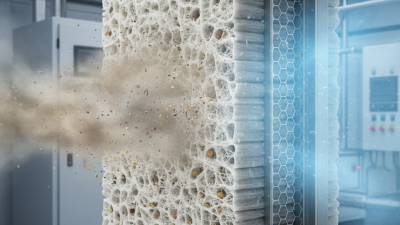
HEPA filters, or High-Efficiency Particulate Air filters, are essential in maintaining air quality. They capture at least 99.97% of airborne particles with a size of 0.3 microns or larger. This includes dust, pollen, and pet dander. Their functionality relies on their dense structure, which forces air through a series of fibers. This mechanism traps harmful contaminants efficiently.
Tips: When selecting HEPA filters, consider the specific needs of your environment. Residential and commercial spaces may require different filter types. Regular maintenance is crucial for the longevity and effectiveness of these filters.
While HEPA filters are effective, not all are created equal. Some may not perform optimally due to quality variations in manufacturing. Understand the specifications before purchasing. Also, keep in mind that improper installation can significantly reduce filter efficacy. Always follow the manufacturer’s guidelines for best results.
Key Features of High Efficiency HEPA Filters for Wholesale
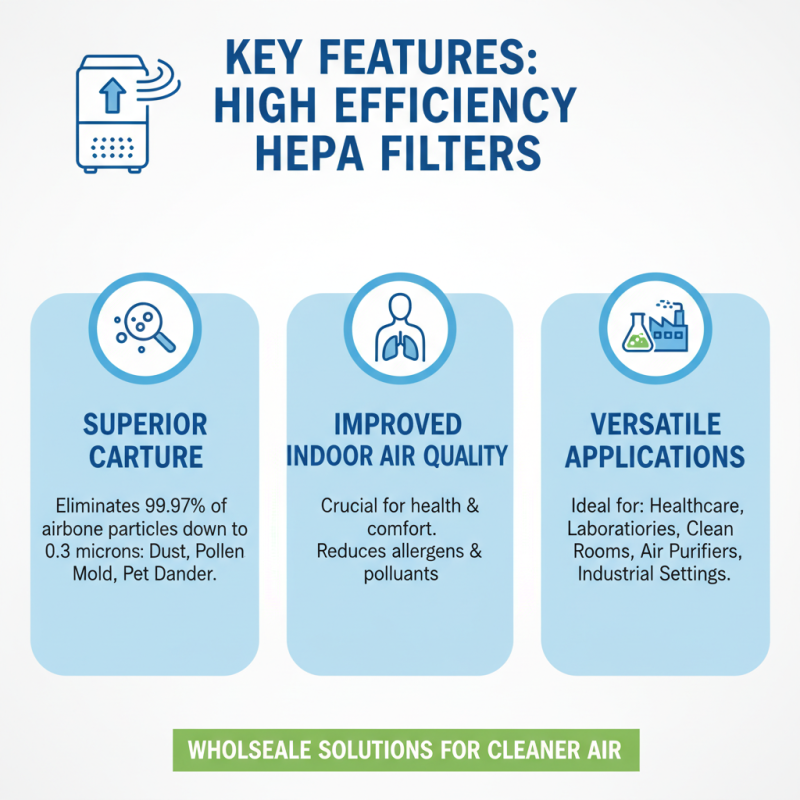
High Efficiency HEPA filters are essential in various applications, ranging from air purifiers to industrial settings. These filters capture airborne particles efficiently. They can eliminate dust, pollen, mold spores, and pet dander, improving indoor air quality. Customers need to understand the importance of filter ratings and efficiency levels. A true HEPA filter captures at least 99.97% of particles down to 0.3 microns. This effectiveness makes them ideal for healthcare, laboratories, and clean rooms.
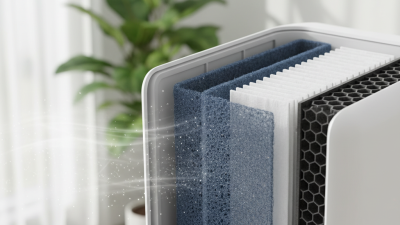
In wholesale markets, buyers seek durability and performance. High-quality materials are crucial for extending filter lifespan. Some filters may not meet claimed specifications. It’s vital to ensure that suppliers provide reliable product information. Many buyers overlook the necessity of pre-filters to extend the life of HEPA filters. A comprehensive solution includes both types of filtration.
While the advantages are clear, potential issues arise. Not all HEPA filters are created equal. Some may fall short in real-world applications. Buyers should ask for testing standards and certifications. Additionally, consider environmental factors affecting filter efficiency. Regular maintenance is a must. Over time, dirt accumulation can reduce performance. Proper education on these aspects can help buyers make informed decisions in the wholesale market.
Global Demand Trends for Wholesale HEPA Filters in Various Industries
The global demand for wholesale HEPA filters is steadily rising across various industries. This trend stems from an increased awareness of air quality's impact on health. Many sectors, including healthcare, manufacturing, and hospitality, seek high-efficiency filters to enhance indoor air quality.
In healthcare, HEPA filters play a critical role in reducing airborne pathogens. Hospitals require reliable filtration systems for infection control. The manufacturing industry also emphasizes clean air to protect sensitive equipment. Clear filtration ensures system efficiency and product quality.
Tips: Always evaluate the filter's efficiency rating. Look for certified products that meet industry standards.
The hospitality sector is not left behind. Hotels and restaurants focus on creating a safe and comfortable environment for guests. They invest in HEPA filters and other air purification solutions. However, many buyers face challenges in finding the right fit for their needs. Each industry has unique requirements and preferences.
Tips: Research compatibility with existing systems. Consider energy consumption and maintenance costs.
Factors to Consider When Sourcing HEPA Filters for Global Markets
When sourcing HEPA filters for global markets, several key factors come into play.
Quality is paramount. Buyers should prioritize filters that meet strict efficiency standards.
This ensures effectiveness in air purification. Look for filters with high dust capture rates. A well-rated HEPA filter captures at least
99.97% of particles. This is crucial for industries such as healthcare and manufacturing.
Next, consider the certifications of the manufacturers. Valid certifications indicate compliance
with safety and performance standards. Evaluate potential suppliers' experience and reputation in the market. A company with a solid
track record is often more reliable. However, some manufacturers may claim capabilities that haven’t been verified. This requires
diligence in research.
Lastly, supply chain reliability can't be overlooked. Ensure that sources can meet demand
consistently. It's worth assessing logistics and potential delays. Communication with suppliers is vital.
Misunderstandings can lead to inadequate products or missed deadlines. Approach sourcing with careful consideration
of these factors to navigate the complexities of the global market effectively.
Quality Standards and Certifications for Wholesale HEPA Filters
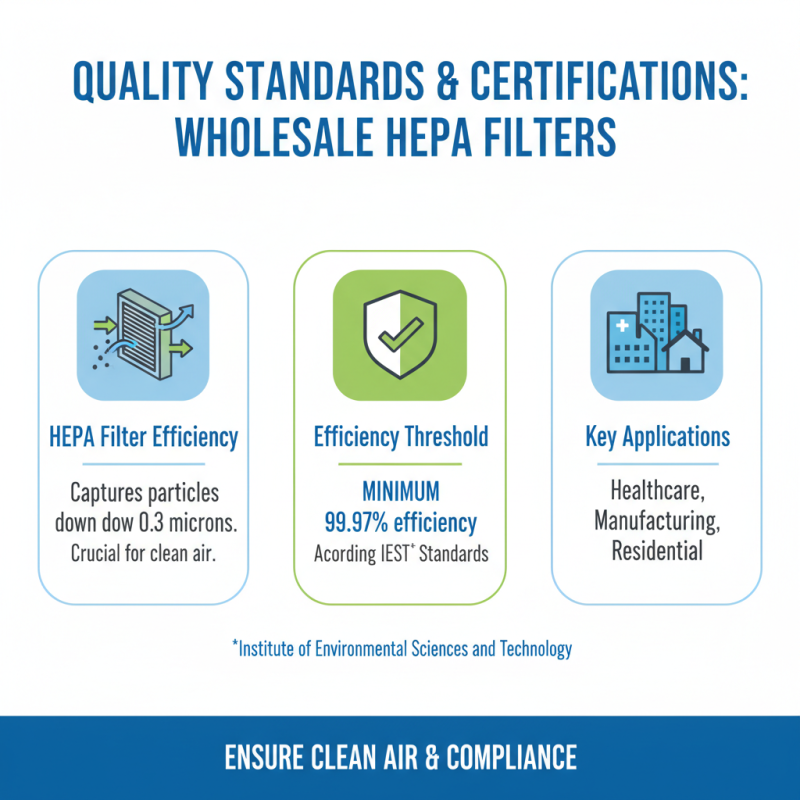
When sourcing wholesale HEPA filters, understanding quality standards is crucial. The efficiency of a HEPA filter is defined by its ability to capture particles as small as 0.3 microns. According to the Institute of Environmental Sciences and Technology, filters must achieve at least 99.97% efficiency to meet HEPA standards. This is vital for applications in healthcare, manufacturing, and residential settings.
Certification plays a key role in ensuring filter quality. Look for filters that comply with standards such as EN 1822 and IEST-RP-CC001. These certifications indicate rigorous testing processes. Additionally, noting the filter's MERV rating can provide insights. Filters rated between MERV 13 to 16 are usually effective in residential applications, yet may not suffice in medical settings where higher standards apply.
Despite rigorous standards, some products might claim HEPA efficiency without proper certification. This is a concern. Buyers should be cautious and verify certifications from reliable sources. The market has seen a rise in subpar products, leading to potential health risks. Investing time in understanding these certifications can significantly impact air quality and user safety. Reliable suppliers will provide documentation and transparency, helping ensure you make informed decisions.