Best Pleated Filter Material for Optimal Air Quality Solutions?
In today's world, maintaining optimal air quality is crucial for health and well-being. The right filter material can significantly affect indoor air conditions. Among various options, the Best Pleated Filter Material stands out for its effectiveness. This material is designed to capture dust, pollen, and other allergens, ensuring cleaner air circulation.
Experts highlight the importance of filter efficiency in homes and workplaces. A high-quality pleated filter not only removes particles but also improves HVAC system performance. This can lead to lower energy bills and a longer lifespan for your air systems. Understanding the nuances of different materials can be overwhelming, but it's essential for making informed choices.
However, not all pleated filters are created equal. Variability in craftsmanship can impact performance. Some may wonder about the trade-offs between cost and efficiency. It's a complex landscape, yet choosing the Best Pleated Filter Material can enhance air quality and protect health. Investing time in research can lead to better choices for cleaner indoor spaces.
Definition and Importance of Pleated Filter Materials
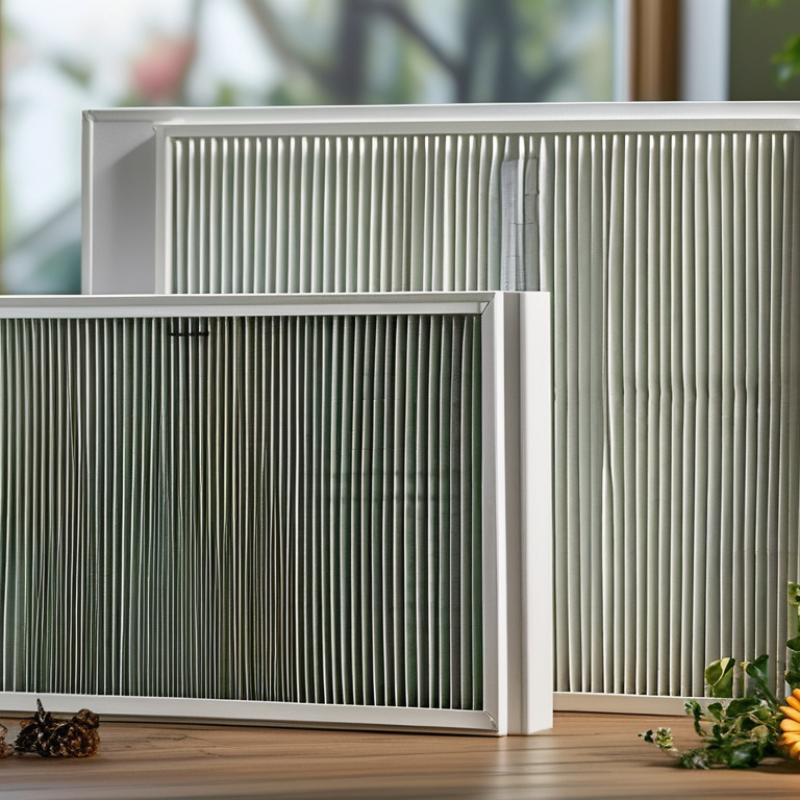
Pleated filter materials play a crucial role in maintaining optimal air quality in various environments. These filters are designed with folds that increase the surface area, allowing more air to pass through while trapping pollutants. This structure enhances their efficiency, making them a preferred choice for air filtration systems. Clean air is essential for health, and pleated filters help reduce allergens, dust, and pet dander in homes and offices.
The importance of pleated filter materials cannot be overstated. In indoor settings, we are exposed to many airborne contaminants. Using high-quality pleated filters can significantly improve air quality. It's fascinating to think how an effective filter can transform the air we breathe daily. However, not all pleated filters are created equal. Some may not meet specific standards or might degrade over time, leading to a false sense of security. Regular maintenance and replacement of these filters are essential to maintain their effectiveness.
While pleated filters offer great benefits, users should be cautious with their choices. It's vital to consider factors like the filter's MERV rating and its lifespan. Some options may seem appealing due to a lower cost, but they might compromise air quality. Therefore, investing time in research and understanding your specific needs can yield better results. Quality should always take precedence over price when it comes to safeguarding health.
Types of Pleated Filter Materials and Their Properties
When choosing pleated filter materials, it's important to understand their unique properties. Common types include synthetic, fiberglass, and cotton filters. Each type offers different levels of filtration efficiency. Synthetic filters are lightweight and provide excellent dust capture; they are often used in residential settings. Fiberglass filters, while cost-effective, may not offer the same efficiency. They tend to allow smaller particles to pass through. Cotton filters are reusable and have a strong airflow, but they require regular cleaning.
These materials can impact indoor air quality significantly. Effective pleated filters trap dust, pollen, and allergens. However, not all pleated filters are created equal. Maintaining these filters is crucial; neglected filters can lead to decreased performance. Users often overlook this aspect, thinking that more expensive filters automatically mean better quality. Some filters may clog too quickly, necessitating frequent replacements. This not only adds cost but can also lead to issues with airflow and HVAC efficiency.
Understanding the properties of each material can guide users in making informed decisions. Consider the specific needs of your space when selecting a pleated filter. Evaluating the balance between cost, efficiency, and lifespan may reveal unexpected insights. The right choice contributes to better air quality while also being economical in the long run.
Factors Influencing Air Quality in Filtration Systems
Air quality significantly impacts health and well-being. In filtration systems, several factors influence this quality, particularly the pleated filter material. Pleated filters increase surface area, which helps capture more contaminants. Reports show that high-efficiency pleated filters can remove up to 99% of airborne particles, including allergens and pollutants.
Filter media quality matters. Durability and material composition affect the filter's lifespan and performance. For instance, fiberglass and synthetic fibers are popular choices. They resist moisture and microbial growth. But, over time, even the best filters clog and lose efficiency, creating a need for regular replacement. Monitoring airflow and pressure drop can also indicate when to change filters.
Tips: Choose pleated filters that meet efficiency standards like MERV ratings. This metric indicates how well a filter captures particles. Also, consider installing air quality monitors. They can provide real-time data on pollutants. These steps enhance your filtration system's effectiveness, ultimately contributing to better indoor air quality.
Comparative Analysis of Pleated vs. Flat Filters
When comparing pleated and flat filters, several factors come into play. Pleated filters have a larger surface area due to their design. This allows for better airflow and more efficient filtration. They can trap more dust and allergens, improving indoor air quality. It is important to note that not all pleated filters are equal. Some models may restrict airflow too much, causing strain on HVAC systems.
Flat filters, while easier to manufacture, often fall short in performance. They may capture larger particles, but they miss smaller contaminants. This limitation can lead to poorer air quality, especially in homes with pets or allergies. Additionally, their simpler design makes them less effective over time. Homeowners should consider the type of contaminants prevalent in their environment.
Installing the right filter is crucial for maintaining air quality. Regularly checking and replacing filters is often overlooked. Neglecting this can lead to inefficiency and increased energy costs. Balancing filter choice with maintenance practices is essential for optimal performance. Evaluating both pleated and flat options can help in making informed decisions for healthier indoor air.
Comparison of Air Filter Efficiency: Pleated vs. Flat Filters
Applications of Pleated Filters in Various Environments
Pleated filters play a vital role in maintaining air quality across various environments. In residential settings, they help trap dust, pollen, and pet dander. This filtration is essential for those with allergies or respiratory issues. A well-functioning filter can reduce airborne irritants, creating a healthier home atmosphere. However, the material’s efficiency diminishes over time. Regular maintenance is crucial to ensure optimal performance.
In commercial spaces, pleated filters find applications in HVAC systems, ensuring clean air in offices and public buildings. These filters help manage indoor pollutants, improving overall air quality for occupants. They are also used in laboratories and healthcare facilities where strict air quality standards are necessary. The design of pleated filters allows for a larger surface area, enhancing filtration capabilities. Yet, users must consider the balance between filtration efficiency and airflow restriction.
Industrial applications require robust pleated filters to handle various airborne particles. These filters can protect machinery and enhance workplace safety. Still, installing the right material is often complicated. Knowledge of the specific environment is essential for selecting an effective filter. Users need to evaluate their needs and refresh their knowledge regularly.