What is the Best Material for Pleated Air Filters?
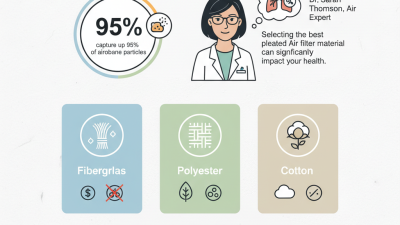
Choosing the best pleated air filter material is crucial for maintaining indoor air quality. Studies show that effective air filtration can reduce allergens and pollutants by up to 99%. This statistic highlights the importance of selecting the right material to optimize filtration efficiency. Different materials offer varying levels of filtration performance, durability, and cost-effectiveness.
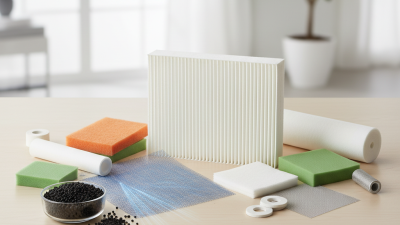
Polyester, fiberglass, and cotton are among the most common materials used in pleated air filters. Polyester filters are known for their balance of cost and filtration efficiency. Yet, they may not capture the smallest particles as effectively as HEPA filters. Fiberglass filters are less expensive but offer lower efficiency. This trade-off between cost and performance raises questions for consumers about what truly constitutes the "best pleated air filter material."
Many professionals recommend a MERV rating of 8 to 13 for residential use. However, higher-rated filters can cause strain on HVAC systems. Feedback from contractors suggests that while higher efficiency is desirable, it can lead to increased energy consumption. Therefore, understanding the variety of materials can help homeowners make informed choices suited to their specific needs and environment.
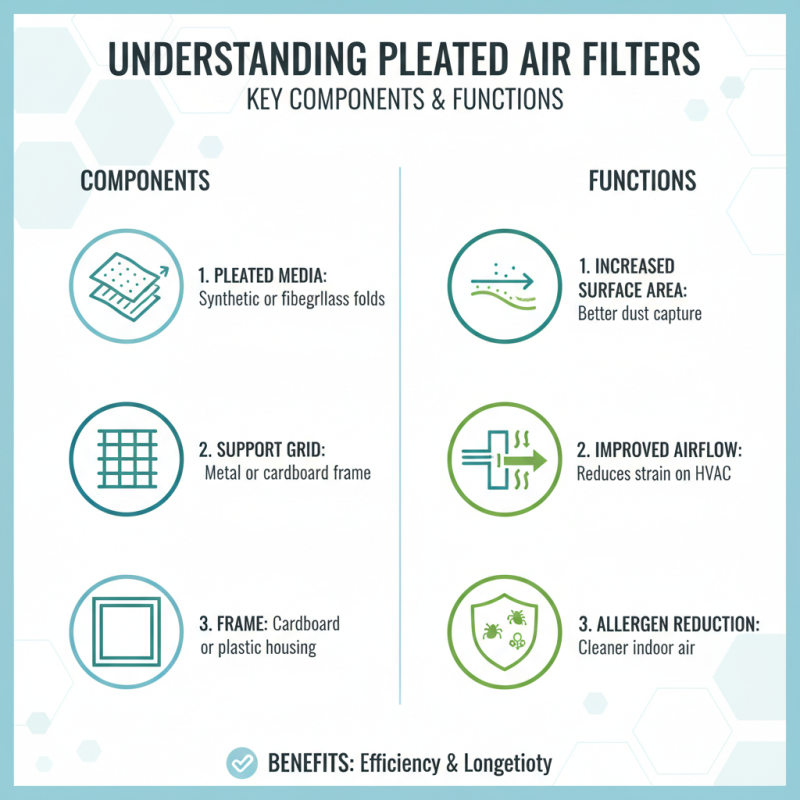
Understanding Pleated Air Filters: Key Components and Functions
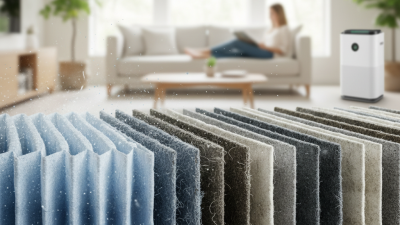
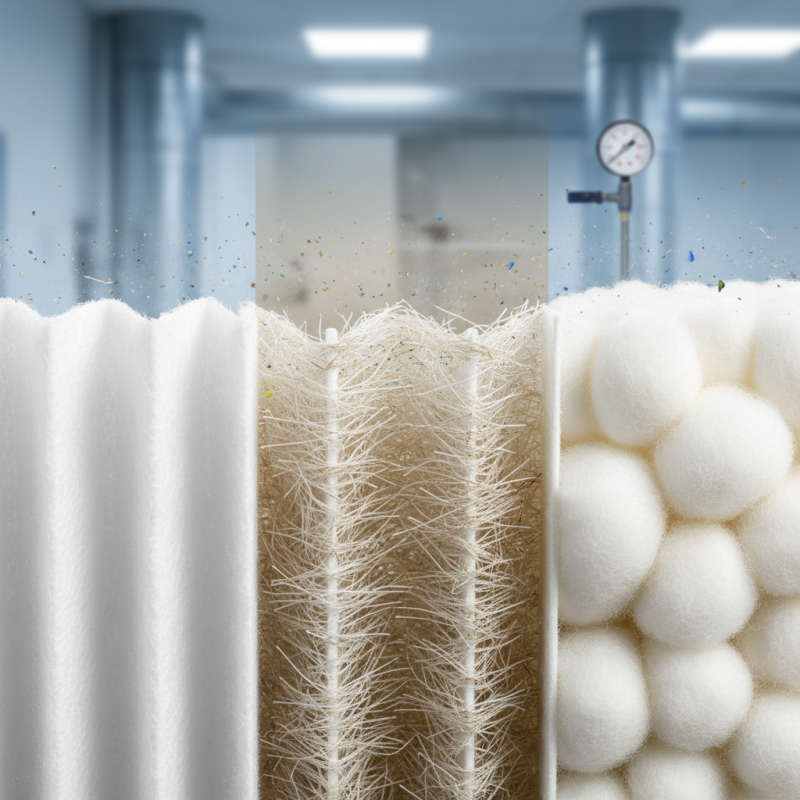
Pleated air filters have become popular in both residential and commercial spaces. Their design is a key component of their efficiency. These filters consist of multiple folds that increase the surface area. This allows for better airflow and traps more dust and allergens. The material used in pleated filters plays a significant role in their performance.
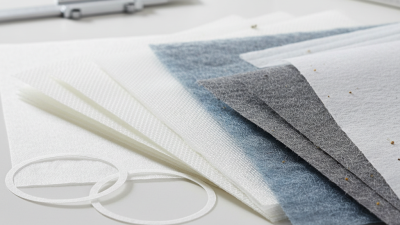
Typically, pleated air filters are made from synthetic fibers or cotton. The synthetic options often provide higher efficiency. They can capture smaller particles effectively. Cotton filters, on the other hand, may offer better airflow but can be less efficient in trapping allergens. Users often feel overwhelmed when choosing the right filter type.
It's essential to consider the MERV rating as well. A higher MERV rating indicates better filtration capabilities. However, this may also restrict airflow, requiring more frequent replacements. This balancing act can be tricky. Homeowners should regularly check filter conditions for optimal performance. Sometimes, filters may seem clean but still need changing. Understanding these details can lead to better air quality and healthier environments.
Types of Materials Used in Pleated Air Filters and Their Properties
When considering
pleated air filters, the material used plays a significant role in their
efficiency.
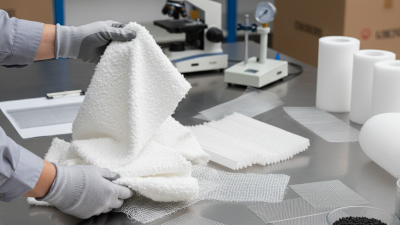
Polyester is a popular choice due to its robust nature. It offers excellent filtration and can handle various climates. The pleated design increases surface area, enhancing airflow while capturing dust and allergens effectively. This material is also resistant to moisture, preventing mold growth.
Another common material is
fiberglass. It is lightweight and has a great capacity to trap airborne particles.
Fiberglass filters are often seen in industrial settings. However, they may not be as efficient in residential use, leading to greater air quality concerns. High-efficiency particulate air (HEPA) filters are made from a dense matrix of synthetic fibers. They offer superior filtration but can restrict airflow more than other materials.
The choice of material impacts the filter's
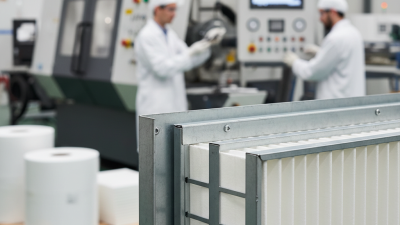
longevity and performance. While polyester may last longer, fiberglass is easier to install and change. It's essential to assess the specific air quality needs of your environment.
Reducing energy loss and maintaining airflow should be at the forefront of your decision-making process.
Performance Metrics: MERV Ratings and Their Relation to Material Choice
When selecting pleated air filters, understanding MERV ratings is crucial. MERV, which stands for Minimum Efficiency Reporting Value, indicates a filter's ability to capture particles. These ratings range from 1 to 16, with higher values signifying greater efficiency. Filters with a MERV rating of 8 or higher can effectively trap particles like dust, pollen, and mold spores, providing a healthier indoor environment.
The material of a pleated air filter significantly affects its MERV rating. Synthetic materials such as polyester and microfibers tend to enhance filtration efficiency. According to a 2022 report by ASHRAE, filters made from high-quality synthetic fibers can achieve MERV ratings above 13. This data emphasizes the importance of selecting the right material for optimal performance.
Tip: Always check the MERV rating when purchasing filters. A higher rating often offers better filtration but may come at a higher cost.
While pleated filters offer improved airflow compared to traditional fiberglass filters, not all pleated filters are equal. Some materials may not perform well in high humidity or dusty environments. Regular testing and consultation with HVAC experts can help ensure you choose the best option for your specific needs.
Tip: Monitor your indoor air quality regularly. It helps identify when to replace filters, ensuring optimal filter performance.
Sustainability and Environmental Impact of Filter Materials
When considering air filters, the sustainability of their materials plays a crucial role. Traditional filter materials often contain non-biodegradable plastics, contributing to landfill waste. A report from the Environmental Protection Agency (EPA) indicates that nearly 70 million tons of plastic waste is generated in the U.S. annually. Switch to more eco-friendly options like HEPA filters made from recycled fibers; they significantly reduce environmental impact.
Tip: Look for filters labeled as biodegradable or made from recycled materials. These choices minimize waste and can help improve air quality without harming the planet.
Research highlights that pleated filters with eco-friendly materials maintain effectiveness without sacrificing filter quality. Filters made from natural fibers, for instance, have been shown to capture 85% of airborne particles effectively. Such choices are not just good for the environment; they also promote healthier indoor air quality.
Tip: Regularly check and replace filters, as clogged filters decrease efficiency and increase energy consumption. Keeping your home’s air clean can contribute to both personal health and environmental sustainability.
What is the Best Material for Pleated Air Filters? - Sustainability and Environmental Impact of Filter Materials
| Material Type |
Filtration Efficiency (%) |
Lifespan (Months) |
Environmental Impact |
Recyclability |
| Polyester |
85% |
6-12 |
Moderate |
Limited |
| Paper |
75% |
1-3 |
Low |
Yes |
| fiberglass |
90% |
4-6 |
High |
No |
| Activated Carbon |
95% |
3-6 |
Moderate |
Yes |
| Synthetic Fibers |
88% |
12-24 |
Moderate |
Limited |
Cost-Effectiveness: Long-Term Savings from Different Filter Materials
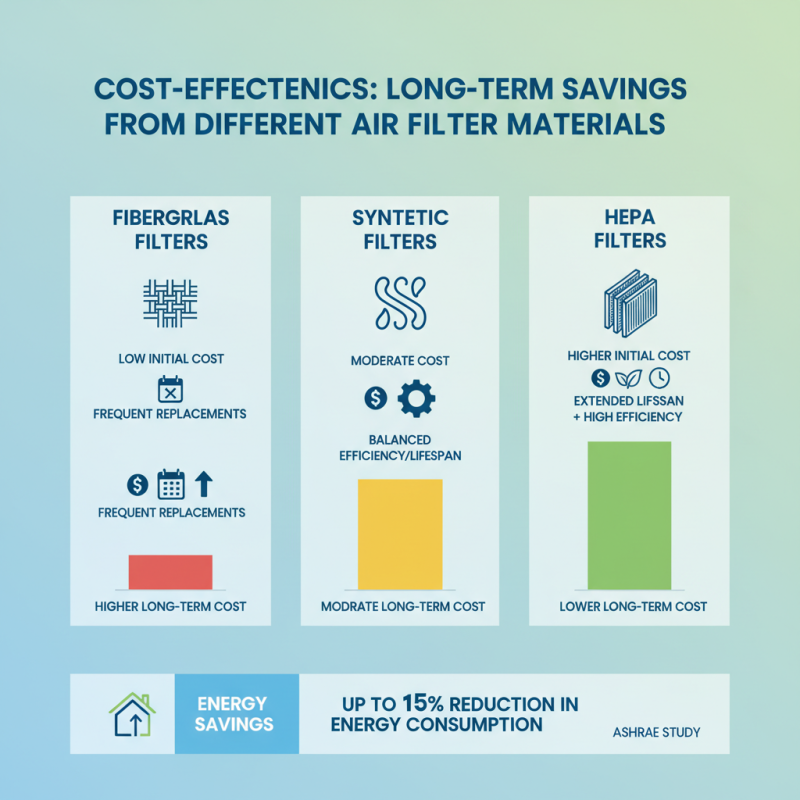
When considering pleated air filters, the choice of material significantly impacts long-term costs. Different filter media, such as fiberglass, synthetic, and HEPA, provide varying levels of efficiency and lifespan. A study from the American Society of Heating, Refrigerating and Air-Conditioning Engineers (ASHRAE) shows that high-efficiency filters can reduce energy consumption by up to 15%. While fiberglass filters may seem cheaper initially, they often require more frequent replacements.
Synthetic materials, on the other hand, offer better filtration and durability. According to research published in the Journal of Air Management, synthetic filters can last up to three times longer than fiberglass options. This longevity translates to fewer replacements and less waste, leading to significant savings. While the upfront cost is higher, the potential for reduced maintenance and energy bills makes synthetic filters a cost-effective option.
HEPA filters provide superior air quality but come at a premium price. They capture 99.97% of particles as small as 0.3 microns, which can substantially improve indoor air quality. However, they may require more energy to maintain airflow, increasing operational costs. Thus, while HEPA filters offer excellent performance, assessing your specific needs is essential for balancing cost and effectiveness over time.