Wholesale Activated Carbon Filter Sheet for Global Buyers?
In recent years, the demand for high-quality filtration solutions has surged globally. Among these products, the "Wholesale Activated Carbon Filter Sheet" has gained significant attention. This versatile material plays a vital role in various industries, including air purification, water treatment, and chemical processing. Its ability to adsorb impurities makes it a sought-after option for manufacturers and consumers alike.
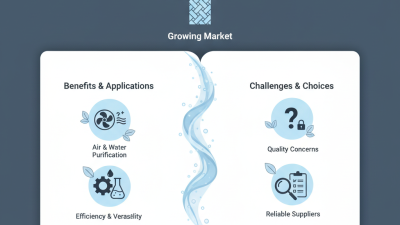
However, not all activated carbon filter sheets are created equal. Buyers must understand the different qualities and specifications that define an effective filter sheet. This can be challenging, given the variety of products available and the inconsistent information in the market. Ensuring the quality of the sheets means sourcing from reputable suppliers who can guarantee performance and reliability.
Navigating the wholesale market for activated carbon filter sheets can be daunting. Buyers often grapple with issues like price, quality, and supplier trustworthiness. A careful consideration of these factors can lead to a successful purchase. Understanding the importance of these elements fosters informed decisions, ultimately resulting in better filtration outcomes.
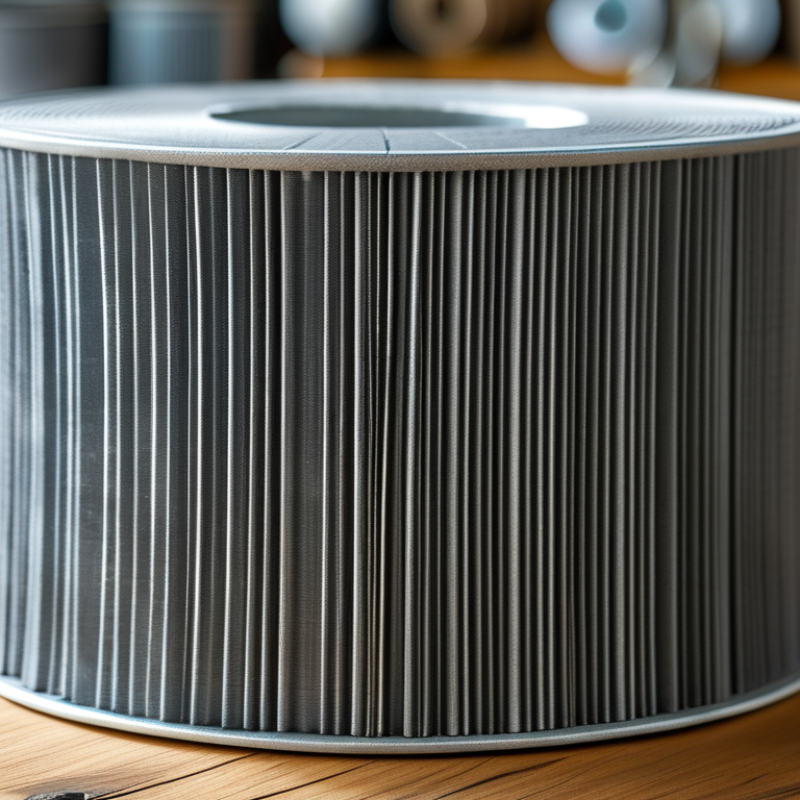
Wholesale Activated Carbon Filter Sheet Overview
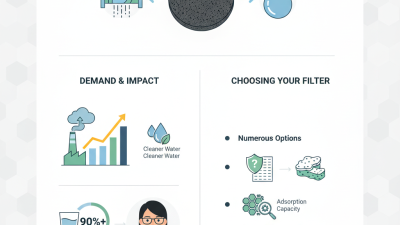
Activated carbon filter sheets are essential in various industries. They provide effective filtration solutions in air and water purification processes. According to a recent market report, the global activated carbon market is projected to reach approximately $9.6 billion by 2027. This growth underscores the increasing demand for effective filtration methods across diverse sectors.
These filter sheets utilize activated carbon’s unique properties. The porous structure adsorbs impurities effectively. Filtration efficiency tends to differ based on the source and manufacturing process. This variability necessitates careful supplier selection for bulk purchases. Features like thickness, pore size, and surface area dramatically impact performance.
**Tips:** When sourcing activated carbon filter sheets, verify the supplier's certifications. Ensure reliable quality assessments. Consider the specific application needs to avoid suboptimal performance.
The activated carbon industry faces challenges. Raw material availability can fluctuate, leading to price volatility. Additionally, innovation in filtration technology means older products may become less effective. Continuous research is crucial for long-term benefits in filter efficiency and sustainability.
Wholesale Activated Carbon Filter Sheet Overview
| Filter Type |
Thickness (mm) |
Dimensions (cm) |
Adsorption Capacity (mg/g) |
Application |
| Granular Activated Carbon |
3 |
30 x 30 |
500 |
Water Treatment |
| Activated Carbon Fiber |
1 |
20 x 25 |
800 |
Air Purification |
| Bituminous Coal Activated Carbon |
5 |
30 x 60 |
600 |
Industrial Use |
| Coconut Shell Activated Carbon |
2 |
25 x 25 |
700 |
Food & Beverage |
| Honeycomb Activated Carbon |
10 |
40 x 40 |
550 |
Odor Control |
Key Applications of Activated Carbon Filter Sheets
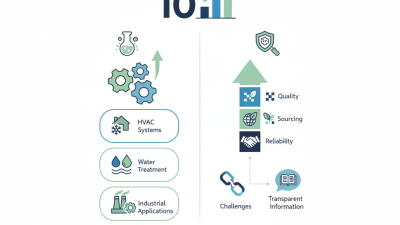
Activated carbon filter sheets play a pivotal role in various industries. They are widely used for air and water purification. These sheets effectively remove impurities, odors, and volatile organic compounds. This makes them essential for ensuring clean and safe environments.
Tips: Always choose the right thickness for your needs. Thicker sheets tend to have longer service life. However, ensure they fit your specific application.
In industries like food processing, activated carbon sheets help in removing tastes and odors. This enhances product quality and safety. In water treatment, they eliminate chlorine and harmful chemicals. Their efficiency depends on factors like flow rate and contact time.
Consider regular replacement to maintain high performance levels. A worn-out filter sheet may fail to filter effectively. Noticing decreased efficiency? It might be time to reevaluate your filter choice.
In the HVAC sector, activated carbon sheets prevent unpleasant indoor air quality. These sheets capture dust, smoke, and allergens. Users often overlook the importance of maintenance. Regular checks can improve their performance.
Benefits of Activated Carbon in Filtration Processes
Activated carbon has gained recognition for its effectiveness in various filtration processes. This material is highly porous, with a vast surface area that allows it to trap impurities, odors, and toxins. In water purification, it is employed to remove chlorine and organic compounds. This process enhances water quality and taste, making it more appealing for consumption.
In air filtration, activated carbon excels at absorbing volatile organic compounds (VOCs) and other harmful pollutants. As air quality concerns rise globally, its importance becomes more prominent. However, the effectiveness of activated carbon can vary based on its activation process and source material. Not all activated carbon is created equal, and impurities in the source can affect performance.
Moreover, while activated carbon is highly effective, it is not a complete solution. Regular replacement is essential to maintain its efficiency. Users often overlook this aspect, leading to diminishing returns over time. Understanding the limitations of activated carbon can help buyers make informed decisions. Overall, this powerful tool contributes significantly to cleaner air and water, yet it requires careful consideration in its application.
Benefits of Activated Carbon in Filtration Processes
Criteria for Choosing Quality Activated Carbon Filter Sheets
When selecting activated carbon filter sheets, several criteria should be considered. Quality begins with the type of carbon used. Look for sheets made from coconut shell or wood. These materials often yield better adsorption capacities. Pay attention to the manufacturing process as well. High temperatures and controlled environments can enhance the quality.
Next, evaluate the filter sheet’s thickness and density. Thicker sheets may offer better filtration but can impede airflow. Finding a balance is crucial for effectiveness. A reliable supplier should provide testing data. This helps ensure that the product meets your specific filtration needs.
Lastly, do not overlook certification. Quality control standards and certifications signal reliability. They give confidence in the product’s performance. However, it's also essential to reflect on feedback from users. Reviews can reveal insights into long-term effectiveness that specifications cannot. Balancing these factors will guide you to a quality filter sheet that suits your needs.
Global Market Trends for Activated Carbon Filter Products
The global market for activated carbon filter products is witnessing significant trends. Increased awareness of air and water quality drives demand. Various industries, such as healthcare, automotive, and environmental management, actively seek efficient filtration solutions. Buyers show growing interest in sustainable products, urging manufacturers to innovate.
Consumer preferences have shifted toward eco-friendly materials. Businesses are adopting greener practices to remain competitive. This trend is influenced by stringent regulations on pollution and waste management. As a result, the activated carbon filter industry is adapting, focusing on reducing carbon footprints while enhancing product efficacy.
Challenges persist in the market, including fluctuating raw material prices. Manufacturers must navigate this volatility to maintain profitability. Additionally, the proliferation of low-cost alternatives complicates market dynamics. Companies need to emphasize quality and reliability in their offerings. Overall, while the market continues to evolve, industry players face both opportunities and hurdles in this competitive landscape.