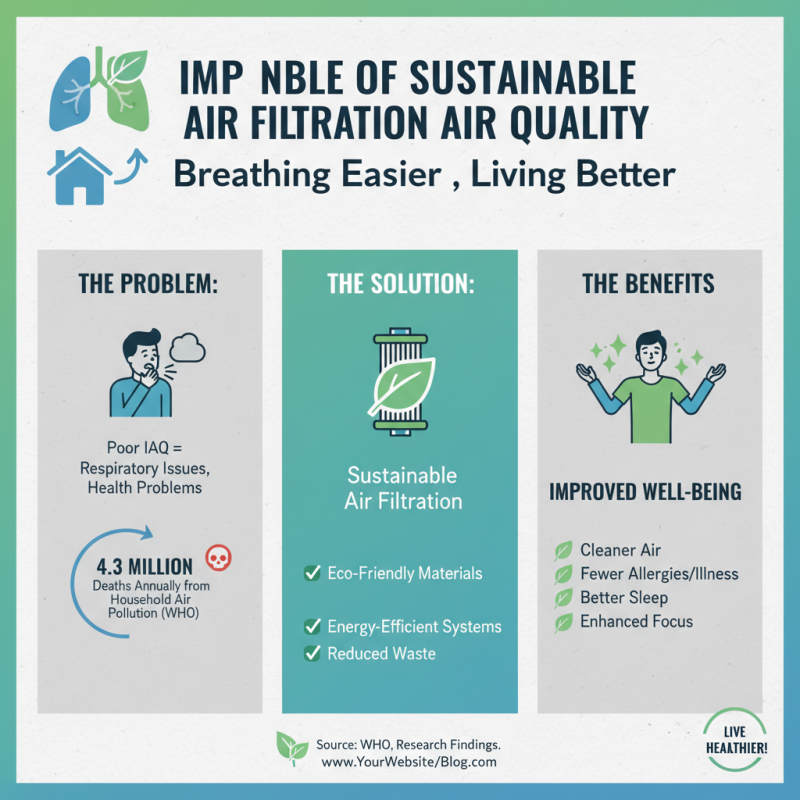
Sustainable Air Filtration Best Practices for a Greener Environment?
Air quality is crucial for our health and environment. In recent years, the focus on "Filtrazione Aria Sostenibile" has grown significantly. Sustainable air filtration practices aim to enhance air quality while reducing environmental impact.
Implementing eco-friendly air filtration systems can seem daunting. Many existing systems are outdated and inefficient. These traditional filters often end up in landfills, contributing to pollution. Adopting sustainable practices can mitigate this issue and promote a cleaner environment.
Using natural materials and energy-efficient processes is essential. Filters made from recyclable or biodegradable substances yield better results. Regular maintenance also plays a role in achieving optimal performance. However, many individuals overlook this aspect, leading to reduced efficiency. Embracing sustainable air filtration requires commitment and awareness. By understanding these practices, we can take important steps toward a greener future.

Definition and Importance of Sustainable Air Filtration
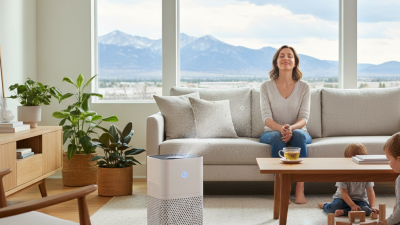
Sustainable air filtration is vital for a healthier planet. It reduces indoor air pollution and improves occupant well-being. Effective systems capture airborne particles, allergens, and harmful substances. They work best when designed with sustainability in mind.
Incorporating natural materials into filtration systems can enhance their effectiveness. Look for filters made from renewable resources. Regular maintenance is crucial; change filters according to the manufacturer’s guidelines. Dirty filters can release pollutants rather than capture them. Consider installing systems that allow for easy filter access.
Here are some tips for better air quality. Use high-efficiency particulate air (HEPA) filters for maximum particle retention. These capture 99.97% of particles as small as 0.3 microns. Encourage ventilation in spaces by opening windows or using exhaust fans. But be cautious of outdoor pollutants. Always consider the source of your air.
Principles of Green Air Filtration Technologies
Air quality is crucial for a healthy environment. Green air filtration technologies play a vital role in ensuring our indoor spaces remain clean and breathable. These systems not only enhance air quality but also promote sustainability. They utilize materials and processes that reduce environmental impact.
When selecting air filtration systems, consider using natural materials. These alternatives to synthetic filters can reduce waste. Keep in mind that eco-friendly options may not always perform as expected. It’s essential to balance efficiency with environmental benefits.
Tips for effective air filtration:
- Regularly change filters to maintain performance.
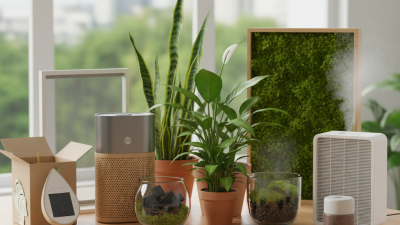
- Consider plants that absorb pollutants.
- Ensure proper ventilation to enhance air flow.
Understanding your specific air quality needs is essential. Not all filtration methods suit every environment. A thorough assessment can lead to better system choices. This approach contributes to healthier living and a greener planet.
Best Practices for Implementing Sustainable Air Filtration Systems
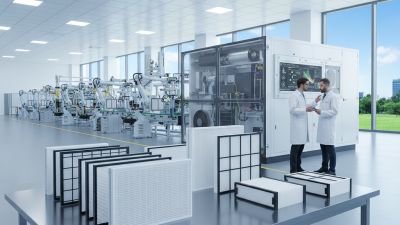
Implementing sustainable air filtration systems is crucial for improving indoor air quality. A key practice involves using energy-efficient filters. These filters capture particulate matter effectively while consuming less power. Regular maintenance of filtration systems enhances their performance. Dirty filters can lead to higher energy costs and reduced air quality.
Selecting natural and non-toxic filter materials is another important step. This reduces the environmental impact compared to synthetic alternatives. Using biodegradable options can also minimize waste. However, sourcing sustainable materials can be challenging. It often requires thorough research and validation of suppliers.
Monitoring and adjusting the filtration system is vital. Data-driven approaches can help identify the most efficient operation modes. Yet, many institutions struggle with this aspect. Continuous improvement should be a goal. Engaging with knowledgeable professionals can guide these efforts in creating a healthier environment for everyone.
Evaluation and Maintenance of Sustainable Air Filters
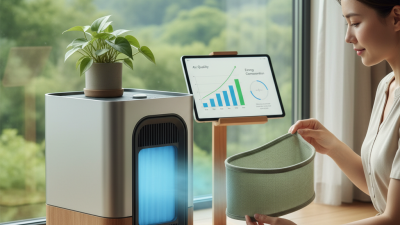
Maintaining sustainable air filters is essential for improving indoor air quality. Regular evaluation ensures that filters function effectively. A clean filter captures more pollutants and allergens. Neglecting maintenance could lead to higher energy costs and decreased performance.
Consider checking your air filters monthly. Dust and debris build up faster than you might expect. Look for discoloration or visible dirt. A simple visual inspection can save you from respiratory discomfort.
Evaluate the lifespan of your filters based on usage. Some may require changing every three months, while others can last longer. Overlooking this can diminish air quality, raising health concerns. Document your maintenance schedule. Tracking changes can help identify recurring problems.
Impact of Sustainable Air Filtration on Indoor Air Quality
Indoor air quality (IAQ) plays a crucial role in our overall well-being. Research shows that poor air quality can lead to respiratory issues and other health problems. According to the World Health Organization, around 4.3 million people die each year from household air pollution, demonstrating the urgent need for effective air filtration solutions.
Sustainable air filtration systems can significantly improve IAQ. These systems reduce pollutants like dust, allergens, and volatile organic compounds. A report from the American Society of Heating, Refrigerating and Air-Conditioning Engineers (ASHRAE) highlights that high-efficiency particulate air (HEPA) filters can capture up to 99.97% of particles that are 0.3 microns in size. This efficiency translates to cleaner air and healthier indoor environments.
However, even the best systems need regular maintenance and updates. Filters that are not changed frequently can become less effective. A study by the Environmental Protection Agency emphasizes that replacing filters every three months can optimize filtration performance. Sustainable practices must also consider energy use. Energy-efficient models are essential for minimizing the carbon footprint while ensuring clean air indoors. Awareness is key to making informed choices in selecting effective air filtration systems.