Top 10 Sustainable Air Filtration Solutions for Better Health?
Air quality significantly impacts our health and well-being. As urban areas grow, air pollution becomes a pressing issue. Sustainable air filtration solutions are essential to combat this. The idea of "Filtrazione Aria Sostenibile" is gaining traction for good reasons. These systems not only purify air but also contribute to a healthier environment.
Many people overlook the importance of air filtration. They focus more on what they can see. However, invisible pollutants can harm our bodies. Sustainable solutions offer a way to improve indoor air quality reliably. Options range from plants to advanced HEPA filters. Each solution has its pros and cons.
Selecting the right air filtration system requires careful consideration. It's not just about effectiveness but also maintenance and sustainability. Some systems may seem efficient but are harmful to the environment. Others may be eco-friendly yet less effective. Balancing these factors is crucial. As we explore the top ten solutions, it's vital to reflect on their impact on both health and the planet.
Overview of Sustainable Air Filtration Technologies
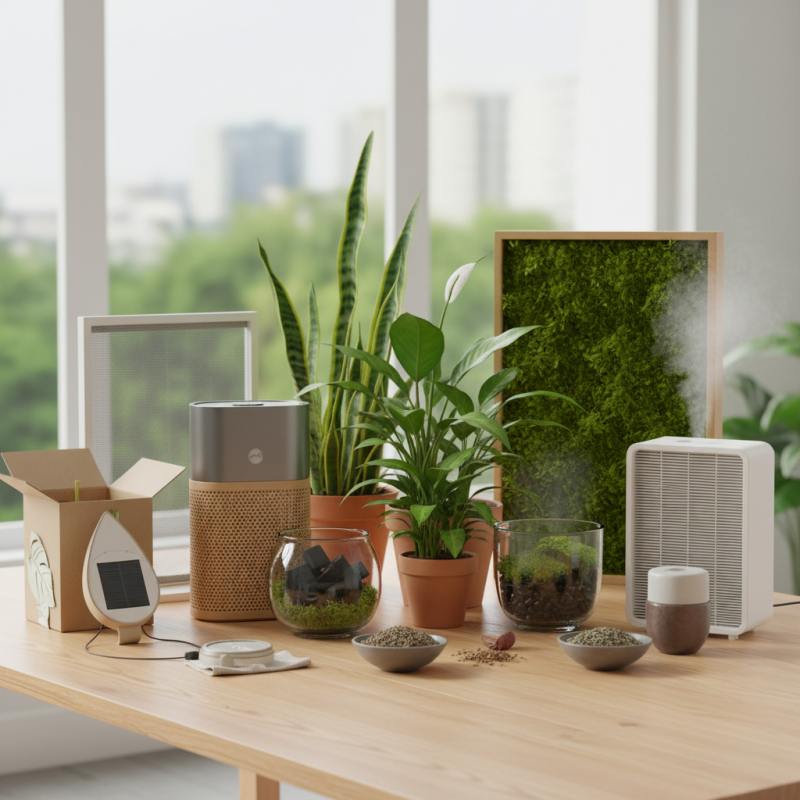
Air quality is essential for health. Sustainable air filtration technologies play a significant role in enhancing indoor air quality. Many options are available that are both effective and eco-friendly. It's important to choose the right one for your space.
HEPA filters are common but often contain non-biodegradable materials. Look for replacements made from sustainable substances. Ultraviolet (UV) light filtration can eliminate harmful microorganisms, providing cleaner air. However, maintenance is crucial. Regularly check your UV system to ensure it operates effectively.
Tips: Consider integrating indoor plants. They naturally filter air and improve humidity. Another option is using activated carbon filters. They absorb unwanted odors and gases, providing better air quality. Remember, balancing effectiveness and sustainability can be challenging, but it’s vital for overall health.
Key Criteria for Evaluating Air Filtration Solutions
When evaluating air filtration solutions, several key criteria emerge.
The effectiveness of the filter is critical.
Look for options that can capture a wide range of particles, including dust, pollen, and allergens.
Consider the size and type of particles each solution can filter.
Efficiency ratings play a significant role in your choice.
Higher ratings often indicate better performance in real-world conditions.
However, performance can vary across different environments.
Not all filters perform equally in every space.
Think about where you will use your filter most often.
The maintenance requirement should not be overlooked.
Certain filters require regular replacements, while others may last longer.
This can influence overall cost and convenience.
A filter that seems effective might not be the best choice if maintenance is burdensome.
Finally, consider noise levels.
Some systems may operate quietly, while others can be disruptive.
Reflect on your living space to ensure the best overall fit.
Top 10 Sustainable Air Filtration Solutions in Detail
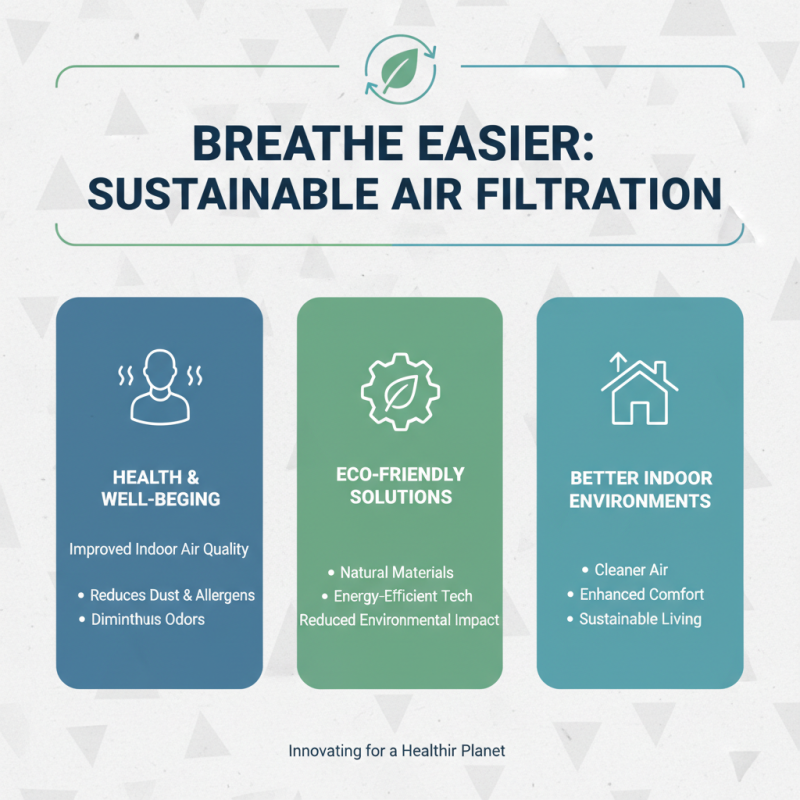
Air quality directly impacts health and well-being. Sustainable air filtration solutions improve indoor environments while reducing environmental impact. These systems often utilize natural materials or energy-efficient technologies. They can be effective in trapping pollutants like dust and allergens. Additionally, they help diminish indoor odors.
When choosing an air filtration solution, consider the size of your space. A small unit may not suffice for larger rooms. Look for designs that blend with your decor, making them visually appealing. Avoiding overly complex systems can also ease maintenance needs. Regular cleaning ensures optimal performance.
Tips for improving air quality include using plants. They enhance air purification naturally. Choose low-maintenance varieties that suit your home environment. Increasing ventilation can also help. By opening windows when possible, you allow fresh air to circulate. However, be mindful of outdoor air quality. Reflect on these approaches regularly. They can lead to a healthier, more sustainable indoor atmosphere over time.
Comparative Analysis of Health Benefits from Each Solution
Air quality is crucial for our health. Sustainable air filtration solutions offer various benefits. Some systems focus on particulate matter. Others target harmful gases. Each method has its strengths and weaknesses.
HEPA filters capture tiny particles. They are great for allergy sufferers. However, they do not address chemical pollutants. Activated carbon filters are effective against odors. They can help reduce volatile organic compounds. But, they may not filter dust effectively.
Photocatalytic filters use light to purify the air. They break down pollutants at a molecular level. Still, they require maintenance to function well. Ionizers can eliminate certain particles but may produce ozone. This raises health concerns. Ultimately, understanding these solutions helps make informed choices.
Top 10 Sustainable Air Filtration Solutions for Better Health
This chart represents a comparative analysis of various sustainable air filtration solutions based on their health benefit scores. The scores, ranging from 1 to 10, evaluate the effectiveness of each solution in improving indoor air quality and promoting better health.
Future Trends in Sustainable Air Filtration Innovations
The future of sustainable air filtration is vibrant yet challenging. Innovations are driving new solutions that are eco-friendly. Respiratory health requires clean air, and technology plays a crucial role. New materials are emerging, such as biodegradable filters. These options can reduce plastic waste significantly. Natural air purifiers, like indoor plants, are also gaining attention for their benefits.
Smart systems are set to transform how we filter air. Sensors can now monitor air quality in real-time. This data helps in making informed decisions, but there are challenges. Many products still consume high energy. How can we make these technologies more efficient? The quest for balance continues.
Community involvement is also essential. Local initiatives can promote awareness and education about air quality. However, not everyone is engaged. The gap in understanding remains a concern. Collaborating with diverse groups can spark change. Sustainability in air filtration isn't just about technology; it's about people.
Top 10 Sustainable Air Filtration Solutions for Better Health
| Solution |
Technology Type |
Efficiency (%) |
Energy Consumption (kWh/year) |
Cost ($) |
| HEPA Filter |
Mechanical Filtration |
99.97 |
150 |
50 |
| Activated Carbon Filter |
Adsorption |
90 |
120 |
80 |
| UV-C Light Filter |
UV Filtration |
99.9 |
200 |
150 |
| Electrostatic Precipitator |
Electrostatic |
95 |
100 |
200 |
| Photocatalytic Filter |
Chemical Reaction |
95 |
130 |
120 |
| Ionizer |
Ionization |
85 |
80 |
75 |
| MERV 8 Filter |
Mechanical Filtration |
80 |
90 |
30 |
| Electrostatic Cloth Filter |
Fabric Filtration |
90 |
110 |
60 |
| Smart Air Purifier |
Smart Technology |
99 |
160 |
250 |
| Hybrid Filter System |
Combination |
99.5 |
140 |
300 |