Top 10 HVAC Filter Fabric Options for Global Buyers?
When it comes to HVAC systems, selecting the right filter fabric is crucial. HVAC filter fabric plays a significant role in maintaining air quality. Proper filtration helps reduce allergens, dust, and other pollutants in the environment.
There are numerous types of HVAC filter fabric available in the market. Each option comes with its own set of advantages and disadvantages. Buyers must consider factors like efficiency, durability, and cost. Some fabrics may offer high filtration but at a higher price. Others could be economical but less effective.
It’s essential to stay informed about the latest innovations in HVAC filter fabric. Understanding the specific needs of your HVAC system can guide better choices. Always consult with experts to ensure you make the right decisions. This not only ensures efficiency but also improves overall air quality in residential and commercial spaces. Ignoring this aspect could lead to increased energy costs and health issues.
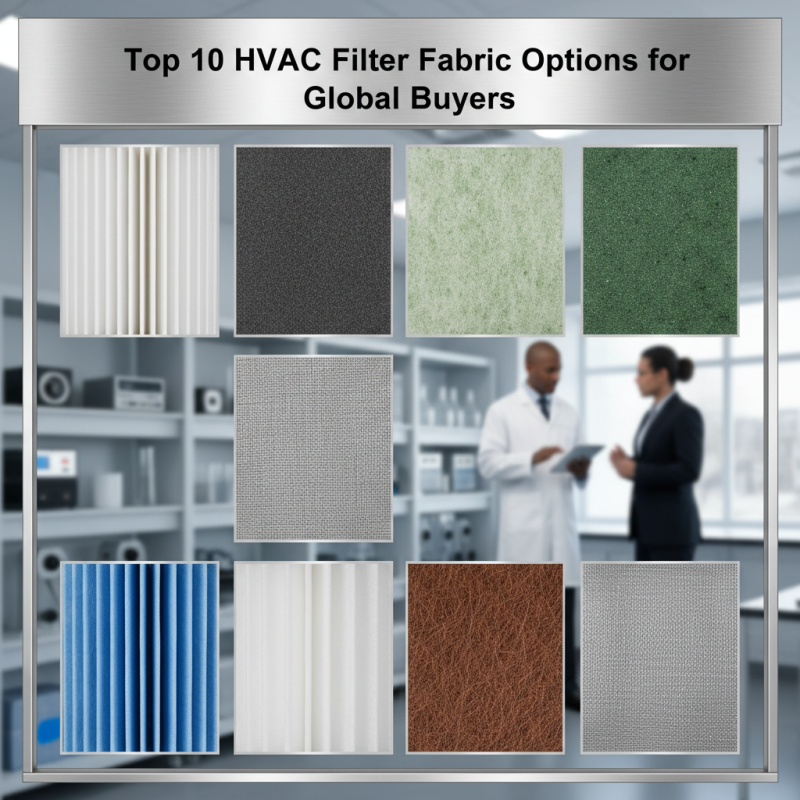
Top 10 HVAC Filter Fabric Options for Global Buyers
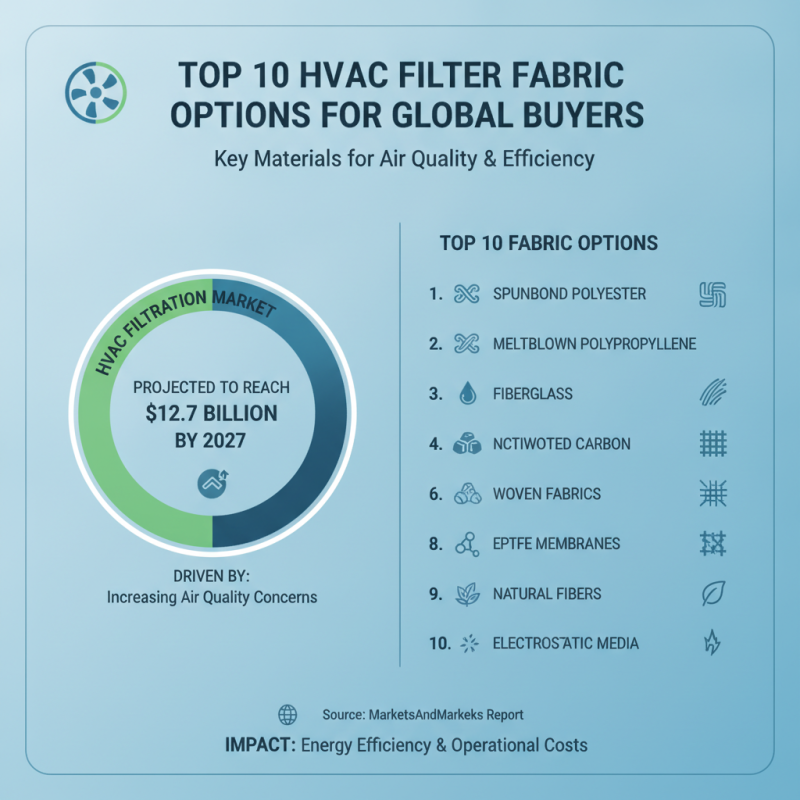
When selecting HVAC filter fabrics, understanding material options is crucial for global buyers. A recent study by MarketsandMarkets highlighted that the HVAC filtration market is projected to reach $12.7 billion by 2027, driven by increasing air quality concerns. Fabrics play a significant role in ensuring effective filtration, impacting energy efficiency and operational costs.
Common materials include polyester and fiberglass. Polyester filters are popular due to their affordability and efficiency; they can capture particles as small as 0.3 microns. Conversely, fiberglass filters are known for their high airflow and lower pressure drops. However, they often lack the longevity of polyester, which can affect their cost-effectiveness. While both materials offer benefits, neither is without drawbacks. Some polyester filters may not perform as well in high-humidity conditions.
Additionally, the adoption of synthetic media is gaining traction. Synthetic fabrics can improve filtration efficiency and extend the lifespan of HVAC systems. However, quality varies, leading buyers to make cautious decisions. Compatibility with existing systems is another factor to consider. Buyers must weigh these options based on specific needs and environmental conditions. Overall, understanding these materials allows for informed choices that enhance air quality and system longevity.
Overview of HVAC Filter Fabrics: Importance and Functionality
HVAC filter fabrics play a crucial role in ensuring efficient air quality and comfort. They are designed to trap airborne particles, dust, and allergens. This functionality protects both the HVAC system and the health of occupants. A well-chosen fabric can significantly enhance the filtration process. The material and weave pattern directly impact performance.
Many fabric options exist, each with unique benefits. Non-woven fabrics, for example, are lightweight and offer excellent filtration capacity. However, they may not be as durable as woven fabrics. Choosing the right option requires balancing filtration efficiency with longevity. Understanding the needs of the specific application can lead to better choices.
Considerations include airflow resistance and environmental factors. It's important to evaluate how different fabrics perform in various conditions. Some fabrics might work well in residential settings while floundering in industrial environments. Assessing these elements is essential for achieving optimal performance. This may lead to reflections on past decisions and encourage a more informed approach moving forward. Making the right choice can lead to healthier indoor environments.
Key Material Properties: Durability, Filtration Efficiency, and Airflow
When selecting HVAC filter fabrics, three key material properties emerge: durability, filtration efficiency, and airflow. Durability ensures that the filters can withstand varying environmental conditions and heavy usage. Materials that resist wear and tear will last longer, reducing replacement costs. Choosing the right blend of fibers can enhance the longevity, guaranteeing fewer environmental impacts from disposal.
Filtration efficiency is vital for maintaining indoor air quality. High-efficiency filters capture a significant amount of airborne particles. They are essential in spaces where air quality directly impacts health. However, achieving this efficiency often comes at the cost of airflow. Striking a balance between these two properties is crucial. Filters that block particles can also restrict airflow, leading to inefficiencies in the HVAC system.
Airflow is equally important as it affects overall system performance. A filter that hampers airflow can strain the HVAC system, increasing energy consumption. When selecting fabrics, it is essential to assess the airflow rate. Consideration of pressure drop across the filter can reveal how well it maintains airflow without compromising filtration. There is room for improvement across the industry in developing materials that enhance all three properties simultaneously. Awareness of these trade-offs can lead to more informed purchasing decisions.
Top 10 HVAC Filter Fabric Options for Global Buyers
Comparative Analysis of Synthetic vs. Natural HVAC Filter Fabrics
When examining HVAC filter fabrics, a key distinction arises between synthetic and natural materials.
Synthetic fabrics, made from polymers, often provide superior filtration efficiency. Reports indicate that synthetic filters can capture over 95% of airborne particles. This is particularly crucial in high-demand environments, such as hospitals and laboratories.
Natural fabrics, such as cotton or wool, also have their merits. They are biodegradable and typically less expensive. However, they may not offer the same level of filtration efficiency. A study highlighted that natural filters often capture around 70% of particles. They can degrade faster, especially in humid conditions.
Manufacturers face dilemmas in balancing cost-effectiveness with performance. Some may overestimate the longevity of natural fibers. This could lead to increased replacement frequency and higher overall costs. As sustainability becomes more important, the challenges of maintaining filtering efficiency while selecting environmentally friendly materials warrant careful consideration.
Industry Standards and Ratings: MERV, HEPA, and Other Classifications
When selecting HVAC filter fabric, understanding industry standards is crucial. MERV, or Minimum Efficiency Reporting Value, ranks filters based on their ability to capture particles. This scale ranges from 1 to 16, with higher values indicating better filtration. For instance, filters rated above 11 are effective in trapping allergens, pet dander, and even some bacteria. MERV ratings provide a clear understanding of how well a filter works.
HEPA filters are another essential classification. They must capture at least 99.97% of particles that are 0.3 microns in size. This makes them ideal for environments requiring high air quality, such as hospitals. However, not all filters labeled HEPA meet this standard. It’s important to verify the specifications before making a purchase.
It’s also necessary to consider other classifications. For example, ULPA filters are even more efficient than HEPA filters. However, they may not be suitable for all HVAC systems due to increased airflow resistance. Understanding these nuances helps buyers make informed decisions. Choosing filters based solely on ratings can lead to costly mistakes, particularly if a filter gets clogged too quickly.
Conclusion
In the article "Top 10 HVAC Filter Fabric Options for Global Buyers," an overview of HVAC filter fabrics highlights their critical role in maintaining indoor air quality and system efficiency. The functionality of these fabrics is underscored by their key properties, such as durability, filtration efficiency, and airflow management, which are essential for effective air filtration systems.
A comparative analysis between synthetic and natural materials reveals their respective advantages, catering to various applications and preferences in the HVAC market. Furthermore, understanding industry standards and ratings like MERV and HEPA classifications is crucial for buyers to make informed decisions. Finally, the article discusses global market trends, exploring the dynamics of demand and supply for HVAC filter fabrics, ensuring readers are well-equipped to navigate the evolving landscape of filter materials.