What Are the Different Types of Air Filter Media?
Air filter media types play a crucial role in maintaining indoor air quality. Different types are designed for various applications, each with its own strengths and weaknesses. Understanding these options is essential for choosing the right filter.
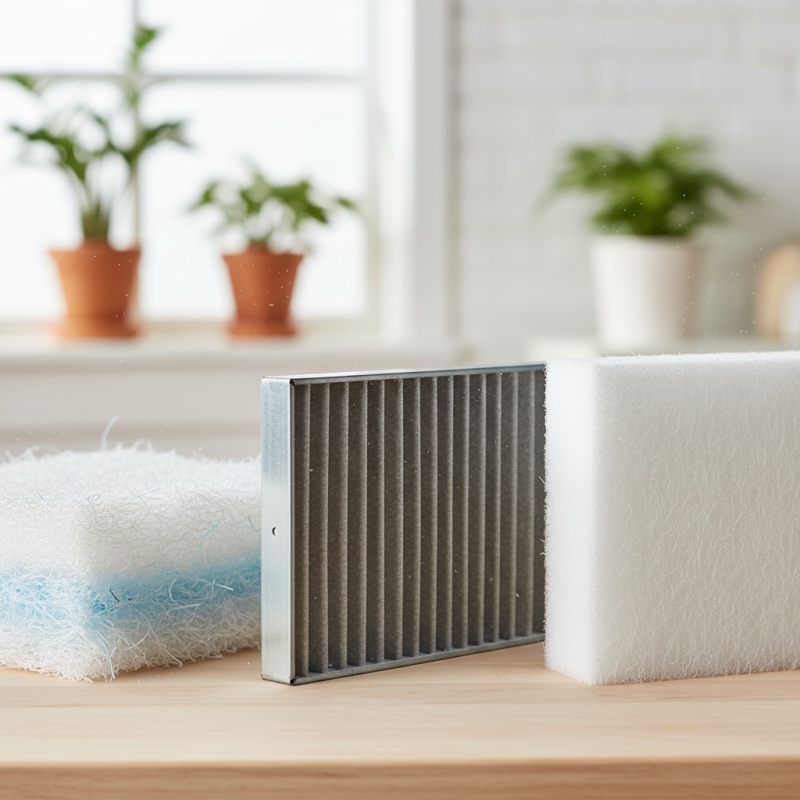
The most common air filter media types include fiberglass, pleated, and HEPA filters. Fiberglass filters are inexpensive, yet they often struggle to capture smaller particles. Pleated filters offer better filtration but may require more frequent replacements. HEPA filters provide superior efficiency, yet their cost can be a concern for some consumers.
Assessing your needs is important. Factors like budget, environment, and allergen presence impact the choice of air filter media. Some may overlook the maintenance aspect, leading to inefficiencies. Each media type has its trade-offs, making awareness critical for effective air filtration.
Types of Air Filter Media Based on Material Composition
Air filter media come in various types, categorized primarily by their material composition. Each type has unique properties and applications. Understanding them is crucial for effective air filtration.
Fiberglass filters are common and widely used. They consist of layered fiberglass strands that trap airborne particles. These filters are lightweight and cost-effective. They may not capture the smallest particles as effectively as other types. However, their ability to filter larger particles provides decent initial protection.
Polyester media is another option. It is known for its durability and higher filtration efficiency. Polyester filters can capture fine dust and allergens. They have a longer life due to their strength. However, they can be more expensive.
Electrostatic filters use an electric charge to attract particles. They are reusable and offer excellent filtration. This type may require regular cleaning to maintain effectiveness. Not everyone may realize that common air pollutants can still sneak through if not maintained. Each material presents its pros and cons. Choosing the right air filter media requires careful consideration of the specific environment and filtration needs.
Mechanical Filtration vs. Electrostatic Filtration in Air Filters
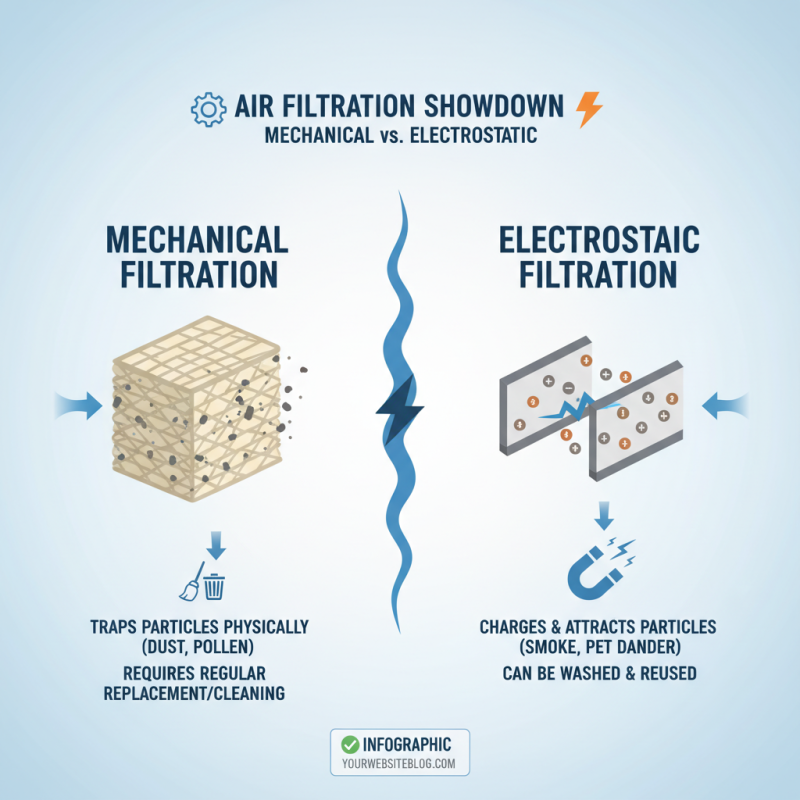
Mechanical filtration and electrostatic filtration are two prominent types of air filter media. Mechanical filters capture airborne particles through physical barriers. These filters often use layers of fibrous materials to trap dust, pollen, and larger allergens. Their effectiveness can diminish over time as dirt accumulates. Regular cleaning or replacement is essential for maintaining efficiency.
On the other hand, electrostatic filters use an electric charge to attract particles. The charged fibers draw in dust and allergens, offering a high level of filtration without significant airflow resistance. While these filters can perform well, they can lose their charge if not maintained properly. Users should check the manufacturer's guidelines for the best upkeep methods.
Tips: Consider your environment before choosing a filter type. If allergies are a concern, a high-efficiency mechanical filter might be best. If you're looking for low maintenance, an electrostatic filter could suit you well. It's crucial to monitor the filter’s performance regularly to ensure air quality remains high. Remember, even the best filters require attention and care.
Performance Characteristics of Different Air Filter Media
Air filter media play a crucial role in maintaining indoor air quality. Different types include HEPA, activated carbon, and electrostatic filters. Each type has unique performance characteristics, directly affecting their effectiveness in capturing airborne contaminants. HEPA filters, for example, can trap 99.97% of particles measuring 0.3 microns, as confirmed by the EPA. However, their initial cost can be higher, and they may affect airflow if not replaced regularly.
Activated carbon filters excel at odor removal and chemical absorption. They are effective for gases but typically less efficient for particulate matter. A 2022 report by the International Journal of Environmental Research noted that while these filters significantly reduced VOC levels, they require frequent replacement to maintain performance. Additionally, electrostatic filters use static electricity to attract particles, providing a washable option with a notable reduction in waste.
Tips: Regular maintenance is key. Clean or replace filters as needed to ensure optimal performance. Understand your specific air quality needs to choose the right filter type. Not all filters will suit every environment, and some trial and error may be necessary to find the best fit.
What Are the Different Types of Air Filter Media? - Performance Characteristics of Different Air Filter Media
| Filter Media Type |
Efficiency (%) |
Airflow Resistance (Pa) |
Lifespan (Months) |
Temperature Tolerance (°C) |
| HEPA Filters |
99.97 |
250 |
12 |
80 |
| Activated Carbon Filters |
85 |
150 |
6 |
40 |
| Fiberglass Filters |
30 |
50 |
3 |
100 |
| Pleated Filters |
90 |
100 |
9 |
70 |
| Electrostatic Filters |
95 |
60 |
12 |
60 |
Applications of Various Air Filter Media in Residential and Industrial Settings
Air filter media plays a vital role in both residential and industrial applications. In homes, HEPA filters are commonly used. They are effective at capturing tiny particles like dust and pollen. This improves indoor air quality significantly. In industrial settings, different types of filters targeted for specific contaminants are essential. For instance, activated carbon filters are great for removing odors and harmful gases.
Choosing the right air filter is crucial. Poor choices can lead to inefficiencies. Often, filters may not capture all pollutants. It is essential to consider the environment where the filter will be used. In commercial spaces, MERV-rated filters are necessary to ensure workplace safety.
Tips: Regular maintenance can prolong the life of air filters. Check and replace filters according to recommend schedules. Sometimes, cleaning reusable filters suffices. Understanding the specific needs can lead to better air quality. Poor application of air filters may result in more air pollution indoors. Therefore, always assess the needs based on your unique environment.
Types of Air Filter Media and Their Applications
Maintenance and Longevity of Different Air Filter Media Types
When considering air filter media, maintenance is crucial for efficiency and longevity. Different types of filter media, such as HEPA, fiberglass, and pleated filters, require varied upkeep. HEPA filters can last longer with proper care. However, they may need frequent checking for dust accumulation. Fiberglass filters, while cheaper, typically require more regular replacement. They can easily become clogged and ineffective.
Cleaning can extend the life of some filter types. For instance, washable filters need proper handling and drying. Neglecting the maintenance of these filters can lead to reduced air quality and energy efficiency. Regular inspections and cleanings are essential for maximizing their lifespan.
Some people overlook the signs of filter wear. This can lead to higher energy costs and health risks. It’s important to pay attention to air flow changes or unusual sounds. These small details can indicate that it’s time for maintenance or replacement. Being proactive helps ensure clean and efficient air circulation in your space.