Top General Room Filters for Effective Air Quality Solutions?
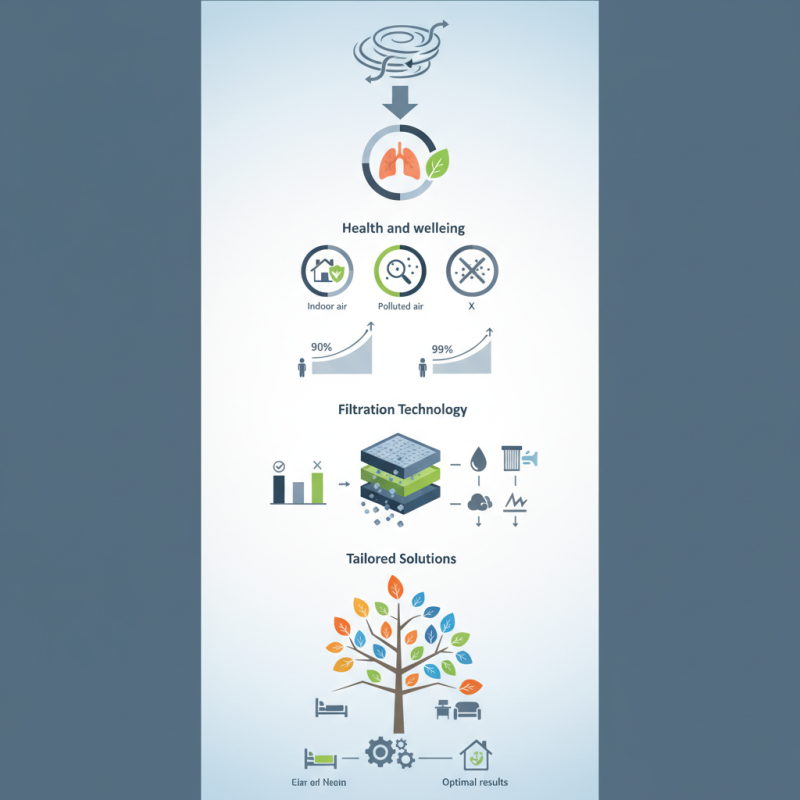
Indoor air quality plays a crucial role in health and well-being. The importance of effective air filtration cannot be overstated. According to the World Health Organization, 90% of people breathe polluted air. This alarming statistic highlights the need for solutions like Allgemeine Raumfilter. These filters can significantly reduce airborne contaminants, providing cleaner, healthier indoor environments.
Various studies, such as those from the Environmental Protection Agency, show that air purifiers can decrease harmful particles by up to 99%. A focus on Allgemeine Raumfilter reveals their ability to target specific pollutants effectively. While many products claim superior filtration, not all filters are created equal. Consumer reports have pointed out that some filters fail to live up to their promises.
Selecting the right filter involves understanding specific needs. Factors such as filter type and maintenance requirements can impact performance. As we evaluate the best solutions, it's essential to recognize that not all indoor spaces are equally contaminated. Tailoring air quality solutions to individual environments will lead to optimal results. This nuanced approach is where expertise in Allgemeine Raumfilter truly matters.
Top General Room Filters: An Overview of Air Quality Improvement
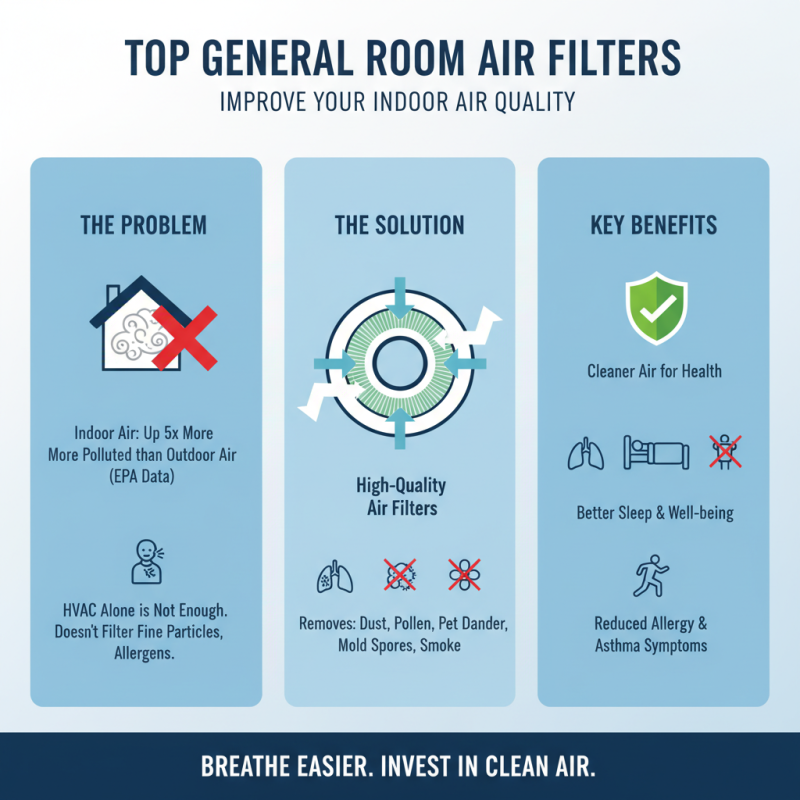
Air quality is a critical concern in indoor environments. Data from the U.S. Environmental Protection Agency (EPA) shows that indoor air can be up to five times more polluted than outdoor air. This highlights the necessity for effective air filtration solutions in general rooms. Standard HVAC systems may not adequately remove particulate matter or allergens. Hence, investing in high-quality air filters is essential for improving air quality.
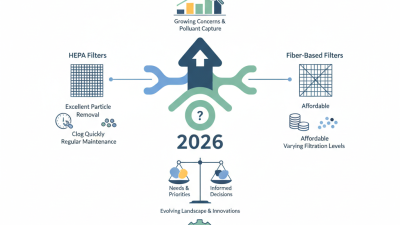
HEPA filters are particularly effective. They can capture at least 99.97% of airborne particles measuring 0.3 microns or larger. This includes dust, pollen, and pet dander. Many households face shortcomings in filter maintenance. Timely replacements can drastically enhance filtration efficiency. In addition, some studies suggest that activated carbon filters can effectively absorb volatile organic compounds (VOCs), promoting a cleaner atmosphere.
Despite advancements, not all filters perform equally. Users often overlook the importance of compatibility. Airflow, filter size, and room dimensions significantly impact the effectiveness of a filter. Consumer awareness remains a challenge, as many underestimate the role of proper filtration in health. As air quality issues persist, continuous evaluation of air filter systems becomes vital for maintaining healthy living spaces.
Key Metrics for Evaluating Air Filters: CADR and MERV Ratings
When choosing air filters, understanding key metrics is vital. Two primary ratings to consider are
Clean Air Delivery Rate (CADR) and
Minimum Efficiency Reporting Value (MERV). These ratings provide insights into filter performance and efficiency.
CADR measures the volume of filtered air delivered. Higher numbers indicate better air quality and faster pollutant removal.
MERV ratings signify a filter's ability to trap particles of specific sizes. The scale ranges from 1 to 16. A higher MERV rating implies better filtration efficiency. However, filters with extremely high MERV ratings may restrict airflow in some systems. This can cause strain on your HVAC system.
Balancing efficiency and airflow is essential.
Selecting the right filter requires thoughtful consideration. Depending on your environment, both CADR and MERV must align with your needs. Homes with pets or allergies may benefit from higher ratings. However, your HVAC system's specifications should also guide your choice. Reflecting on these details helps ensure your air quality solutions are both effective and sustainable.
Different Types of Air Filters: HEPA vs. Activated Carbon vs. Electrostatic
Air quality plays a vital role in our health. Choosing the right air filter can make a significant difference. HEPA, activated carbon, and electrostatic filters are popular options, each with unique strengths.
HEPA filters are highly effective. According to the Environmental Protection Agency, they can capture 99.97% of particles larger than 0.3 microns. This includes dust, pollen, and pet dander. However, they require regular replacement. Neglecting this can lead to reduced efficiency.
Activated carbon filters excel in removing odors and gases. They absorb volatile organic compounds (VOCs) and other pollutants. A study from the American Lung Association indicates these filters are vital in confined spaces. Still, adsorptive capacities can decrease quickly. Proper maintenance is essential to ensure functionality.
Electrostatic filters are another option. They use an electric charge to trap particles. While they are washable and reusable, effectiveness may wane over time. A 2020 report highlighted that improper washing can release trapped particles back into the air. Each filter type has benefits and drawbacks. Choosing the right one requires careful consideration of individual needs and environmental factors.
Top General Room Filters for Effective Air Quality Solutions
This chart illustrates the effectiveness of different types of air filters in improving air quality. HEPA filters are the most effective, capturing up to 99% of airborne particles, while activated carbon and electrostatic filters provide moderate effectiveness at 85% and 70%, respectively.
Impact of Air Filtration on Allergens and Indoor Pollutants
Air quality directly impacts our health and comfort. Poor indoor air quality can exacerbate allergies and respiratory issues. Data from the American Lung Association shows that indoor air can be two to five times more polluted than outdoor air. This highlights the need for effective air filtration systems to combat allergens and pollutants.
Fine particulate matter, dust, and pet dander are common indoor pollutants. According to the Environmental Protection Agency, allergens can accumulate quickly, particularly in homes with limited ventilation. High-efficiency particulate air (HEPA) filters are crucial. They can trap particles as small as 0.3 microns with high efficiency. This is essential for reducing allergy symptoms, especially during allergy seasons.
While air filtration is effective, it's not a complete solution. Regular cleaning and maintenance of air filters are necessary. Homeowners often overlook filter replacement schedules. According to a study published in the journal "Indoor Air," neglecting maintenance can lead to increased allergen levels. A comprehensive approach to indoor air quality involves not just filtration, but also consistent cleaning routines and minimizing sources of pollution.
Top General Room Filters for Effective Air Quality Solutions
| Filter Type |
MERV Rating |
Particle Size (microns) |
Allergen Reduction (%) |
Replacement Frequency (months) |
Approx. Cost ($) |
| HEPA Filter |
17-20 |
0.3 - 1.0 |
99.97 |
6-12 |
30-150 |
| Carbon Filter |
10-12 |
0.5 - 10 |
70-90 |
6-12 |
20-80 |
| Electrostatic Filter |
12-16 |
0.1 - 10 |
80-95 |
6-12 |
25-100 |
| Fiberglass Filter |
1-4 |
5 - 10 |
30-50 |
1-3 |
5-20 |
| Washable Filter |
10-13 |
0.3 - 5 |
80-85 |
12-24 |
15-50 |
Maintenance Best Practices for Optimal Air Filter Efficiency
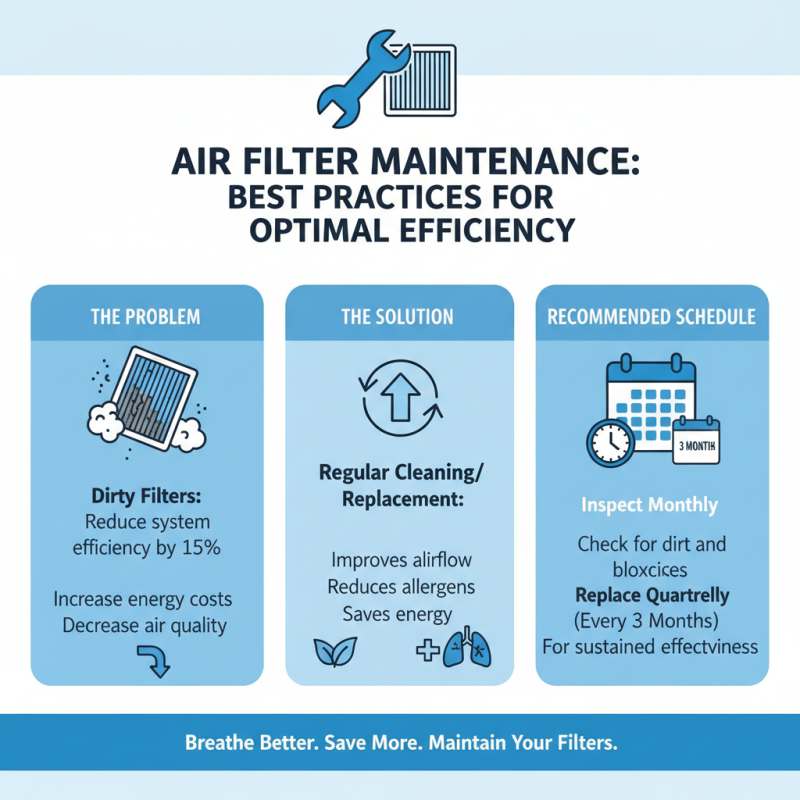
Regular maintenance of air filters is crucial for ensuring optimal air quality in any indoor environment. Industry studies indicate that dirty filters can reduce system efficiency by up to 15%. This can lead to increased energy costs and decreased air quality. Cleaning or replacing filters regularly can significantly improve the airflow and reduce allergens in the air. In many cases, filters should be inspected every month and replaced every three months to maintain effectiveness.
Additionally, installing quality air filters can greatly enhance indoor air quality. Filters with a higher MERV rating can capture smaller particles, effectively removing dust, pollen, and pet dander. However, some filtration systems can face issues due to poor installation or inappropriate filter selection. This often results in improper sealing, which diminishes the filter's efficiency. It’s essential for users to ensure that filters are the right size for their systems.
Neglecting maintenance can have serious health implications. The U.S. Environmental Protection Agency cites that indoor air can be up to five times more polluted than outdoor air. This highlights the importance of regular filter maintenance. Homeowners might overlook the impact of their filter choices but addressing this can lead to significant improvements.