Top Air Filter Media Types in 2026 What to Choose?
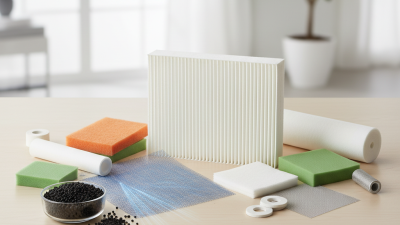
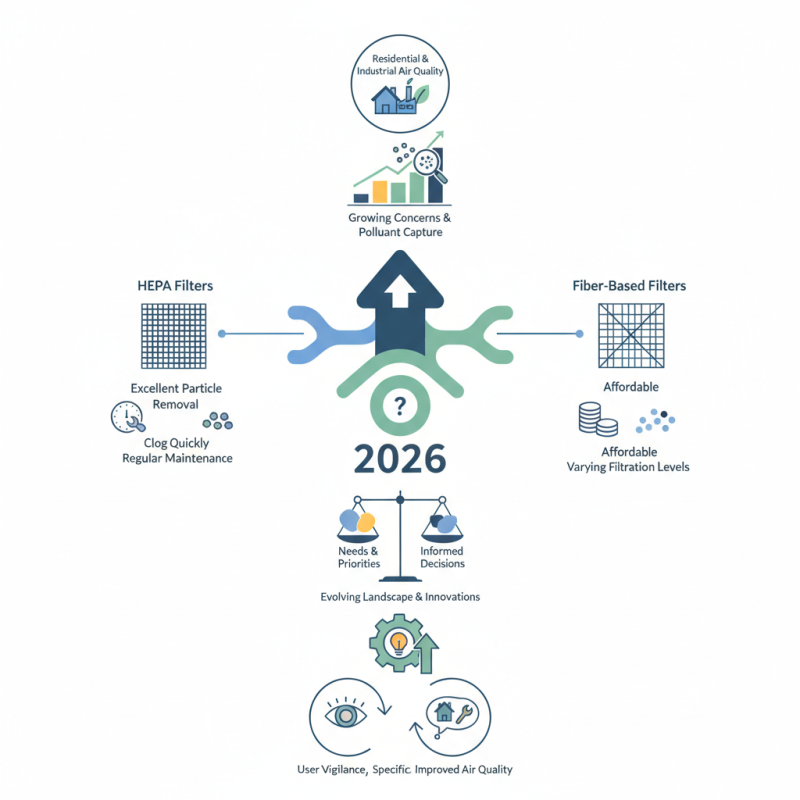
As we look ahead to 2026, choosing the right air filter media types gains critical importance. The growing concerns about air quality in both residential and industrial environments necessitate informed decisions. Air filter media types play a crucial role in capturing pollutants, allergens, and even pathogens.
Numerous options exist, each with distinct advantages and drawbacks. For example, HEPA filters offer excellent particle removal but can clog quickly, requiring regular maintenance. Fiber-based filters can be affordable but may not provide the same level of filtration. Prospective buyers must evaluate their needs and priorities carefully.
The landscape of air filter media types continues to evolve. Innovations are emerging, but not all will suit every application. Users should remain vigilant and reflect on their specific situations. Understanding the strengths and limitations of different air filter media types will lead to better choices and improved air quality.
Top Air Filter Media Types Overview
Choosing the right air filter media is crucial in 2026. With pollution levels rising, a variety of air filter media types are increasingly essential. A recent industry report by the American Society of Heating, Refrigerating and Air-Conditioning Engineers (ASHRAE) indicates that air filter efficiency is directly related to indoor air quality. High-efficiency particulate air filters, often referred to as HEPA, capture 99.97% of particles that are 0.3 microns in size. This efficiency is vital for not only commercial applications but also residential use.
Another option gaining popularity is electrostatic filters. These filters can trap smaller particles than traditional filters due to their charged fibers. According to a study by the Environmental Protection Agency (EPA), electrostatic filters are effective at reducing fine particulate matter, which poses significant health risks. However, they often require more frequent maintenance, prompting discussions about their sustainability and long-term costs.
Media choices vary widely, and the decision-making process can be overwhelming. Balancing performance, cost, and maintenance requirements is essential. Some experts suggest prioritizing air quality over initial savings, while others question the sustainability of disposable filters. As advances in technology continue, staying informed about the latest developments in filter media remains important for a cleaner environment.
Top Air Filter Media Types in 2026 - Overview
| Media Type |
Efficiency (%) |
Lifespan (Months) |
Cost (USD) |
Best Use Cases |
| HEPA |
99.97 |
12 |
25-40 |
Home & Office |
| Activated Carbon |
85 |
6 |
20-30 |
Odor Control |
| Pleated Filter |
90 |
9 |
15-25 |
General Use |
| Electrostatic Filter |
95 |
12 |
30-50 |
Airborne Allergens |
| Fiberglass Filter |
30 |
3 |
5-15 |
Cost-Effective |
Key Factors to Consider When Choosing Air Filter Media
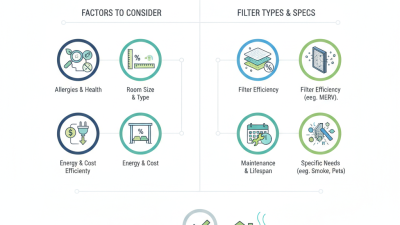
When selecting air filter media, it's vital to consider several key factors. The efficiency of air filters is largely quantified through Minimum Efficiency Reporting Value (MERV) ratings. A higher MERV rating indicates better filtration. Research indicates that filters with MERV ratings between 8 to 13 are ideal for residential settings. They effectively capture dust, pollen, and mold spores, maintaining indoor air quality.
Another significant aspect is the type of filter material used. Media can vary from fiberglass to pleated polyester. Fiberglass filters tend to be cost-effective but offer lower filtration efficiency. In contrast, pleated filters provide better capture of fine particles. According to industry studies, pleated filters can trap up to 50% more airborne particles compared to their fiberglass counterparts. This is particularly beneficial in regions prone to dust and allergens.
Additionally, airflow resistance is critical. Filters should balance filtration efficiency with airflow. High resistance reduces HVAC efficiency. Manufacturers recommend regularly checking filter pressure drop to ensure optimal performance. Over time, even the best filters become less effective. Regular maintenance can prevent this drop in efficiency. Choosing the right media involves balancing factors like MERV rating, material type, and airflow resistance.
Comparison of Popular Air Filter Media Types in 2026
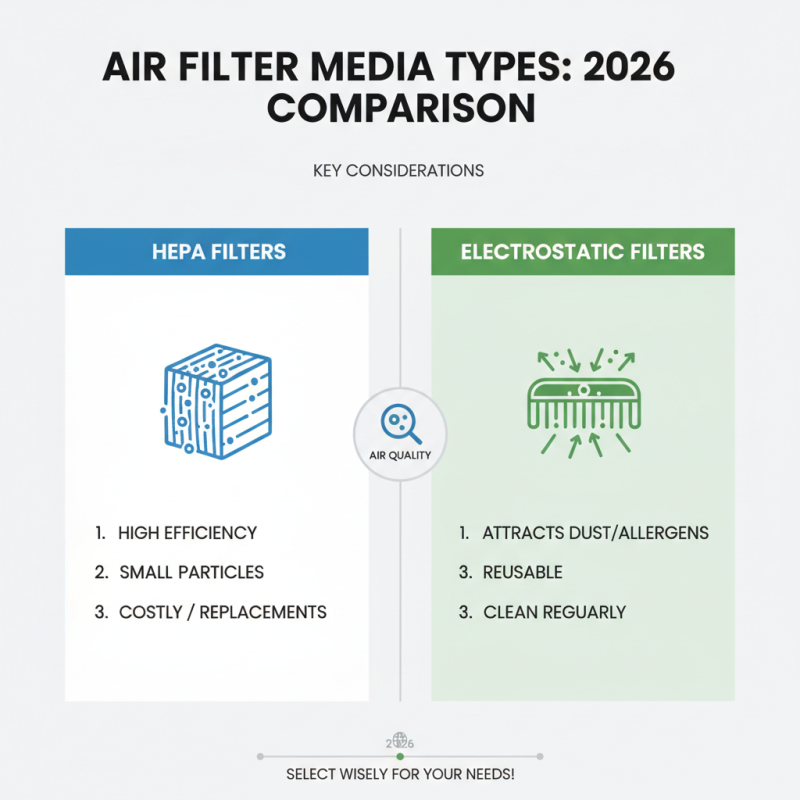
When selecting air filter media types in 2026, it's essential to understand the key comparisons. HEPA filters remain popular for their high efficiency in trapping small particles. However, they can be costly and require frequent changes. On the other hand, electrostatic filters attract dust and allergens but may lose their effectiveness if not cleaned regularly.
Consider your specific needs. For instance, homes with pets might benefit more from high-efficiency filters. These catch dander and pet hair effectively. For those living in urban areas, activated carbon filters are ideal. They help to reduce odors and harmful gases, creating a cleaner indoor environment.
**Tip:** Always check the MERV rating before purchasing an air filter. Higher ratings indicate better filtration.
Different media types come with various maintenance needs. Some filters require less frequent changes but could accumulate pollutants over time. Reflect on how often you're willing to maintain your filters. A well-maintained filter will serve its purpose effectively and enhance air quality. Choose the option that suits your lifestyle best.
Future Trends in Air Filter Technology and Materials
In 2026, air filter technology will evolve significantly. Advances in materials and design will play a crucial role. New types of filter media will become more efficient at capturing pollutants. Biodegradable materials will gain popularity, reflecting a growing trend towards sustainability. This change addresses environmental concerns, yet raises questions about long-term effectiveness compared to traditional options.
Smart air filters will also emerge. They will monitor air quality in real time. Sensors will detect pollutants and allergens. Users can track data on their devices, enabling informed decisions. However, relying on technology can be a double-edged sword. Not all users understand how to interpret the data accurately, which might lead to unnecessary anxiety or complacency.
Despite these advancements, challenges persist. Some filters may still struggle with fine particles. Durability and lifespan are critical considerations. Consumers must reflect on their specific needs. Will they require higher filtration efficiency or long-lasting health benefits? Making informed choices will be vital as new technologies redefine the air filtration landscape.
Top Air Filter Media Types in 2026
This chart displays the predicted market share of various air filter media types for the year 2026. As can be seen, HEPA filters are expected to dominate the market significantly, while activated carbon filters will also hold a substantial share. The data sheds light on the trends and preferences in air filter technology moving into the future.
Best Practices for Maintaining Air Filter Efficiency
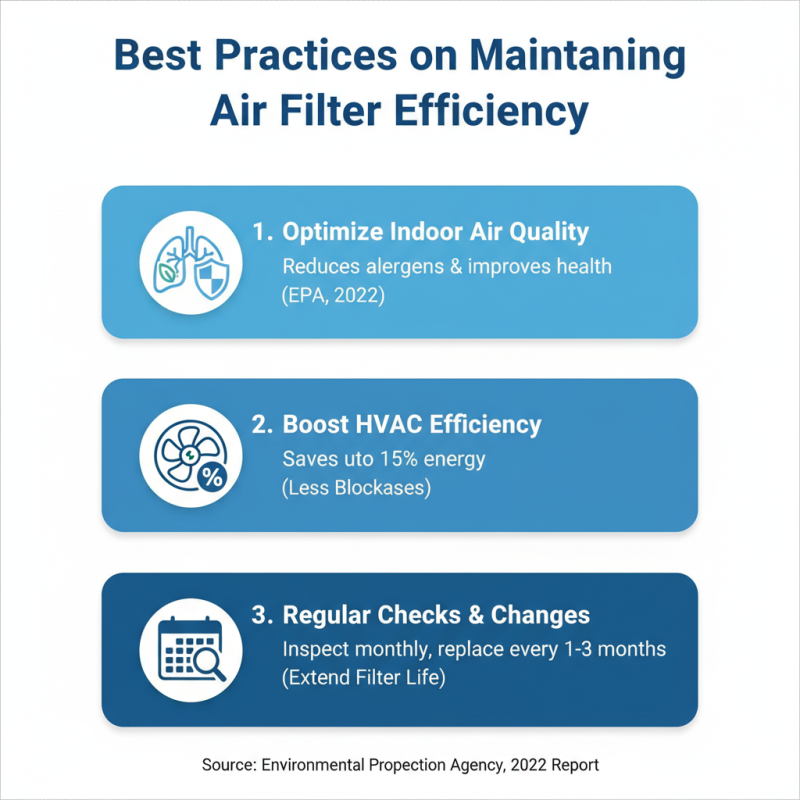
Maintaining air filter efficiency is crucial for optimal indoor air quality. Regular maintenance extends filter life and reduces allergens. According to a 2022 report from the Environmental Protection Agency, dirty filters can decrease HVAC efficiency by up to 15%. Regular checks are necessary to ensure air filters are not blocked by dust and debris.
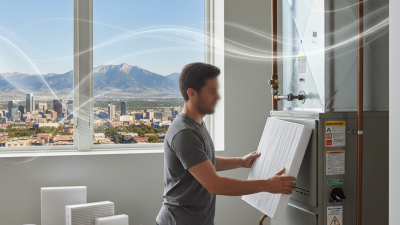
Changing filters on time is a basic yet significant practice. Many experts recommend replacing them every three months. However, this can vary based on usage and environmental factors. Homes with pets or high pollen counts may need more frequent changes. Not replacing filters regularly can lead to higher energy bills and increased wear on HVAC systems.
Cleaning is another important aspect. Some filters are washable, allowing for repeated use. Following manufacturer instructions is vital to avoid damaging the filter. Despite proactive measures, many still overlook filter maintenance, leading to subpar air quality. Stay informed about the type of filter media used. Not all filters are equally effective against common pollutants. Understanding your specific needs helps in making better choices.