Top 10 Wholesale High Efficiency Hepa Filters for Global Buyers?
In today's world, clean air is essential for health and well-being. The demand for effective filtration has led to the rise of "Wholesale High Efficiency Hepa" filters. These filters are designed to remove pollutants and allergens from the air. They play a crucial role in various sectors, including healthcare, manufacturing, and residential environments.
Choosing the right Hepa filter can be overwhelming. With many options available, buyers need to focus on quality and efficiency. Wholesale High Efficiency Hepa filters offer a balance between cost and performance. They provide reliable air purification, making them an attractive choice for global buyers.
While many options exist, not all filters deliver the same results. It's important to evaluate specifications, durability, and certifications. As buyers explore their choices, they might find some products lacking in effectiveness or reliability. In this expanding market, understanding what to look for is crucial for making informed decisions.
Top 10 Characteristics of High Efficiency HEPA Filters for Wholesale Buyers
High Efficiency HEPA filters are critical in various sectors, including healthcare and environmental control. Their primary characteristic is the ability to trap at least 99.97% of airborne particles. This percentage significantly reduces contaminants, leading to healthier environments. According to the U.S. Department of Energy, HEPA filters can capture particles as small as 0.3 microns. This efficiency is essential for maintaining air quality standards.
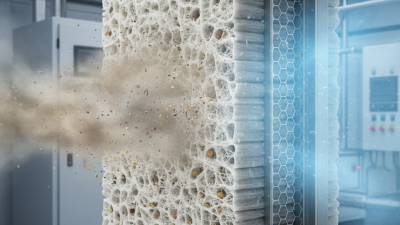
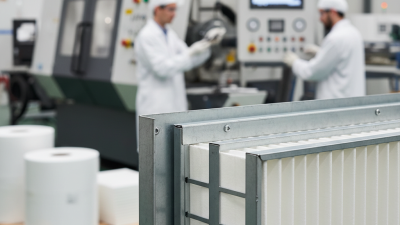
Another critical aspect is their construction. High Efficiency HEPA filters often utilize multi-layer materials. These layers work together to block particles more effectively. The design includes pleating, which increases surface area while maintaining airflow. This intricate construction is pivotal for maximizing filtering efficiency.
Tip: When selecting HEPA filters, consider pleat density and airflow. A balance between filtration capacity and airflow is vital for optimal performance.
Durability is also a factor. Quality HEPA filters endure longer in challenging conditions, reducing replacement frequency. However, consistent maintenance is necessary to achieve maximum efficiency. Regular checks for tear or clogging can prevent performance degradation.
Tip: Always monitor pressure drops across filters. Significant changes can indicate blockage, requiring immediate attention.
Understanding these characteristics is crucial for wholesale buyers aiming for effective air purification solutions. Investing in high-quality HEPA filters ensures better indoor air quality and overall health benefits.
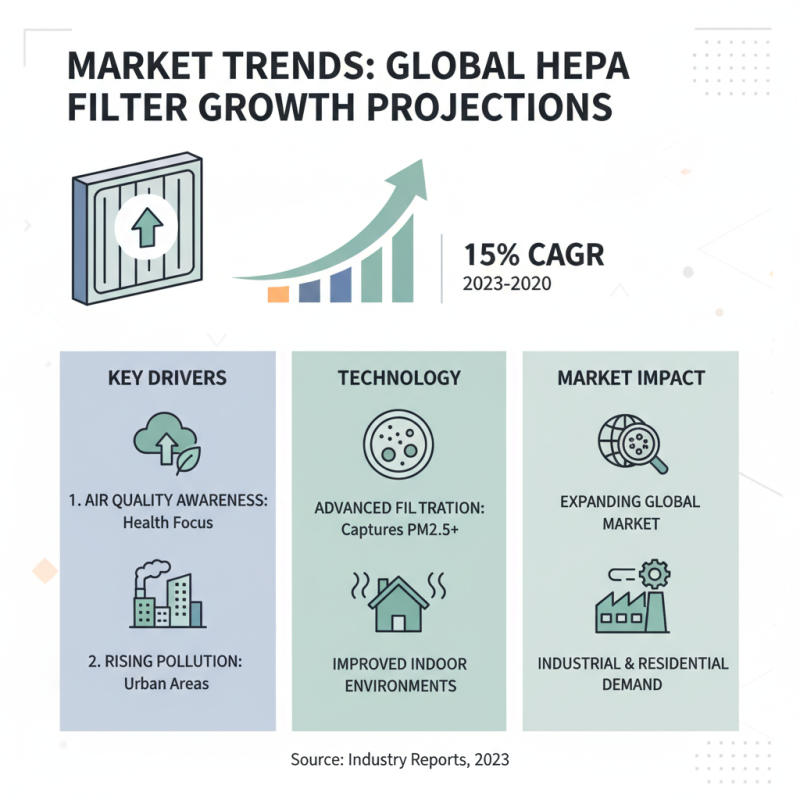
Market Trends: Growth Projections for HEPA Filters in the Global Market
The global market for HEPA filters is witnessing notable growth. Increased awareness about air quality drives this trend. People now understand that clean air is crucial for health. Rising pollution levels in urban areas further emphasize this need. Advanced HEPA filters can capture small particles, improving indoor environments.
Demand for efficient filters has surged in various sectors, including healthcare and manufacturing. These filters are essential for removing allergens and pathogens. However, manufacturers face challenges in meeting this rising demand. Quality assurance is crucial to ensure reliability. The supply chain may struggle with raw material shortages and technological advancements.
Innovation in filtration technology fuels market expansion. New designs improve efficiency and ease of use. Yet, some products may not meet expected standards, leading to consumer dissatisfaction. Continuous research is necessary to bridge these gaps. Market players must focus on stability while adapting to changing consumer needs.
Comparative Analysis: Efficiency Ratings of Top HEPA Filter Brands
High-efficiency HEPA filters are essential in various industries, particularly in healthcare and manufacturing. These filters can capture 99.97% of particles as small as 0.3 microns. A comparative analysis highlights that not all HEPA filters are created equal. According to industry reports, the efficiency ratings vary significantly among top brands. Variability in material composition and design affects performance.
In a study conducted by the American Institute of Chemical Engineers, filters with higher face velocities often exhibit reduced efficiency. This means that a faster airflow can compromise the filter's ability to trap particles effectively. Buyers should consider both the filtration efficiency and the airflow rate of any HEPA filter.
Tip: Always check the manufacturer's specifications. Look for filters that meet or exceed the HEPA standard.
While many products claim HEPA efficiency, not all have been tested rigorously. Some may reflect outdated data, so be cautious.
Tip: Investigate product reviews and certifications to verify authenticity.
Monitoring the performance over time is crucial. Filters may lose efficiency due to dust loading, and regular checks can ensure optimal operation.
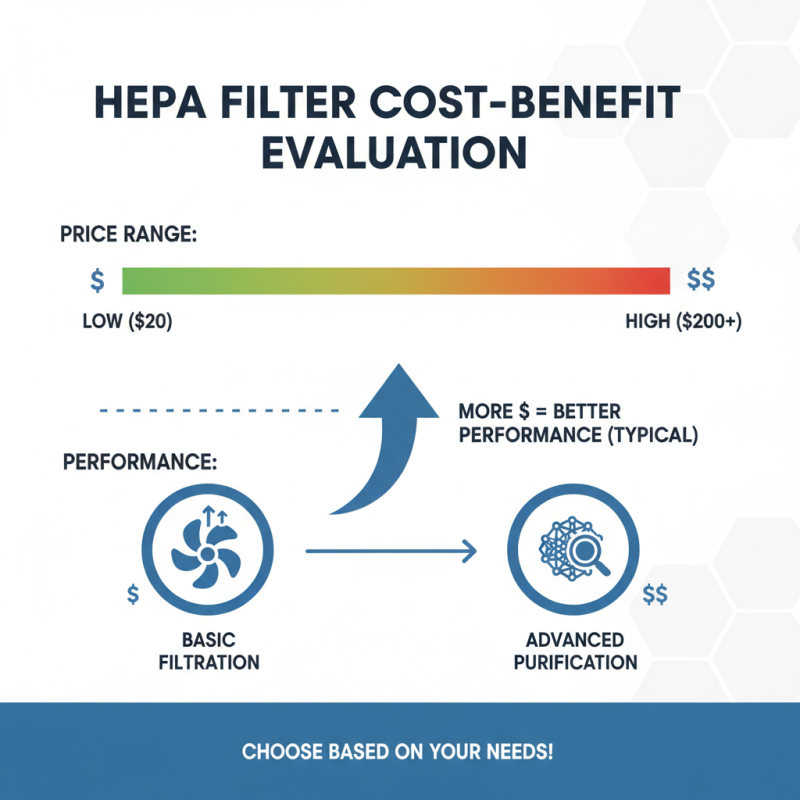
Cost-Benefit Evaluation: Price Range and Performance of HEPA Filters
When evaluating the cost-benefit ratio of HEPA filters, performance matters significantly. High-efficiency particulate air filters vary in price and function. Typically, the price range can span from $20 to $200, depending on specifications. Buyers should consider their unique needs. Some find that higher costs correlate with better filtration capabilities. Others may discover satisfactory options at lower price points.
It's essential to analyze the filtration efficiency percentage. A filter with a 99.97% rating captures very small particles. Lower-rated filters might not provide adequate protection, leading to poor air quality. The trade-off between budget and efficiency may demand careful thought. Also, check the lifespan of the filters. Some have shorter lifespans, requiring frequent replacements. This can add to long-term costs.
Many buyers overlook maintenance costs. A cheap filter could lead to higher energy bills if it causes strain on HVAC systems. Reflecting on your actual usage is vital. Will the chosen filter meet your demands without stretching your budget? Balancing price and performance requires diligence and consideration. The right choice enhances air quality and satisfies financial constraints.
Regulatory Standards: Compliance Requirements for HEPA Filters in Various Regions
When considering HEPA filters, understanding regulatory standards is essential. Different regions have varied compliance requirements. For instance, the US has standards set by the Environmental Protection Agency (EPA). In Europe, the EN 1822 standard governs HEPA filters. Compliance with these regulations ensures the filters perform effectively in trapping airborne particles.
Tips for selecting HEPA filters: Always check their efficiency rating. A true HEPA filter captures at least 99.97% of particles that are 0.3 microns in size. This level of filtration is crucial in environments such as hospitals or laboratories.
In Asia, the standards can vary widely. Some regions might lack stringent regulations. This discrepancy can lead to confusion among buyers. It's wise to conduct due diligence before purchasing. Inspect certifications and compliance documentation. Relying on unverified claims can be a pitfall in filter performance. Always prioritize reliability in your sourcing process.
Top 10 Wholesale High Efficiency Hepa Filters - Compliance Ratings