Top 10 Wholesale High Efficiency Hepa Filters for Clean Air?
In today's world, clean air is essential for health and well-being. Many people are unaware of the importance of quality air filters. The market offers a variety of options, but not all are equal. Wholesale High Efficiency Hepa filters stand out among the rest. They can trap fine particles effectively. This feature helps maintain cleaner indoor spaces.
Finding the right filter can be overwhelming. There are numerous brands and models available. Each claims to provide excellent filtration. However, consumers must be cautious. Some products may not live up to their promises. It's crucial to research before purchasing.
High efficiency Hepa filters can significantly improve air quality. They are especially important for those with allergies or respiratory issues. Yet, not everyone understands their benefits. Many people purchase the cheapest options without considering effectiveness. As we explore the top 10 wholesale filters, let’s reflect on our choices. What truly makes a filter worth investing in?
Understanding HEPA Filters and Their Importance for Air Quality
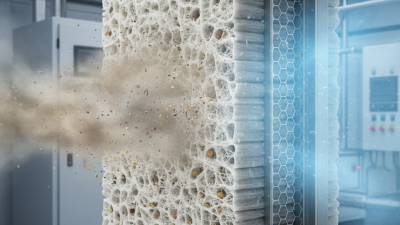
HEPA filters play a vital role in maintaining air quality. According to the Environmental Protection Agency (EPA), indoor air can be up to five times more polluted than outdoor air. This makes the use of high-efficiency filters essential for homes and workplaces. In fact, a properly functioning HEPA filter can capture at least 99.97% of particles that are 0.3 microns in size. These particles include dust, pollen, pet dander, and mold spores.
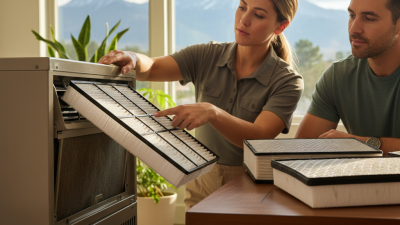
When selecting a HEPA filter, it’s crucial to consider the efficiency ratings. Not all filters labeled as "HEPA" provide the same level of performance. Studies indicate that some filters do not meet the required standards, leading to potential indoor air quality issues. As we strive for cleaner air, we must also be aware of the limitations. Factors such as filter installation and regular maintenance are vital. A filter that is not replaced on time may become a source of pollution instead of a solution.
Moreover, the effectiveness of HEPA filters may diminish in certain conditions. For example, high humidity can impact their performance. Understanding these nuances is essential when investing in air quality solutions. By being informed, users can make better choices for a healthier living environment. The path to clean air requires diligence and awareness.
Top 10 Wholesale High Efficiency Hepa Filters for Clean Air
| Filter Type |
Efficiency |
Pre-Filter |
Lifespan |
Application |
| HEPA H13 |
99.95% |
Yes |
3-5 years |
Residential |
| HEPA H14 |
99.995% |
No |
2-4 years |
Commercial |
| HEPA Type A |
99.97% |
Yes |
1-2 years |
Medical |
| HEPA Type B |
99.95% |
Yes |
3 years |
Industrial |
| HEPA Type C |
99.99% |
No |
5 years |
Pharmaceutical |
| Activated Charcoal HEPA |
Rate varies |
Yes |
6 months |
Odor removal |
| Electrostatic HEPA |
99.97% |
No |
3 years |
Home use |
| UV HEPA |
99.9% |
Yes |
2 years |
Air sanitization |
| Portable HEPA |
99.7% |
No |
1 year |
Travel |
| Washable HEPA |
N/A |
N/A |
Washable |
Environmentally friendly |
Criteria for Selecting High Efficiency HEPA Filters for Wholesale
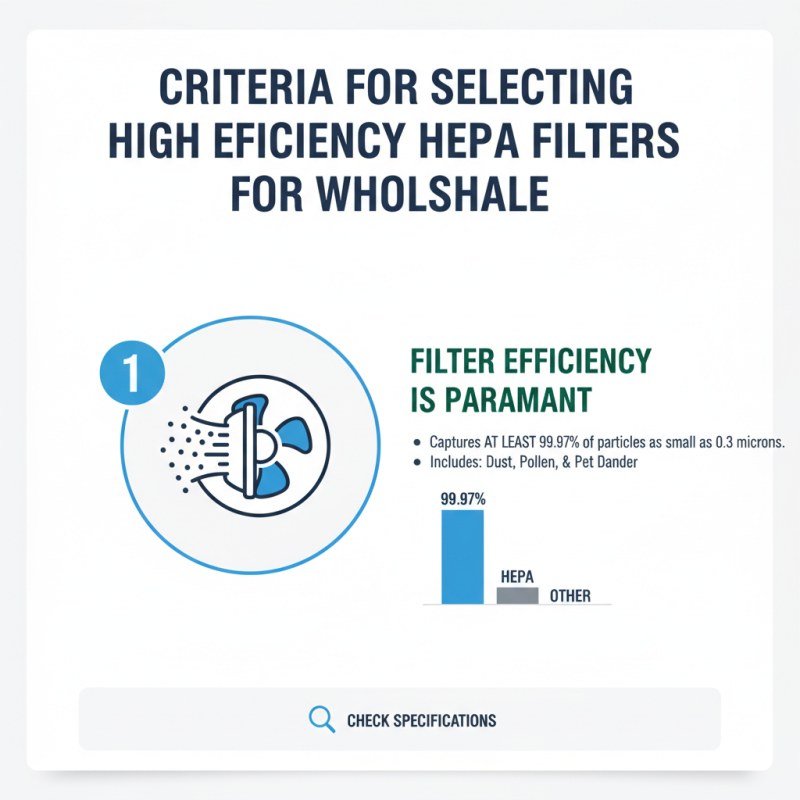
When selecting high-efficiency HEPA filters for wholesale, several key criteria emerge. First, filter efficiency is paramount. A good filter should capture at least 99.97% of particles as small as 0.3 microns. This includes dust, pollen, and pet dander. Check the filter's specifications carefully to ensure it meets these standards.
Another crucial factor is the filter's airflow resistance. Filters with high efficiency can sometimes restrict airflow. This can lead to increased energy costs and reduced performance. Balance between efficiency and airflow is essential. Additionally, consider filter lifespan. A longer-lasting filter reduces replacement frequency, which is often overlooked.
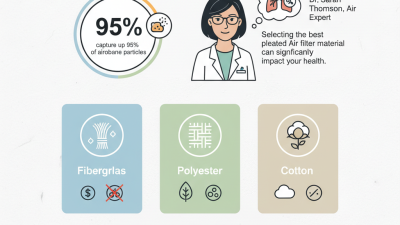
Material quality also plays a significant role. Filters made from strong, durable materials tend to perform better and last longer. However, some may find that more expensive materials can limit options for cost-effective wholesale purchases. Conducting a thorough analysis based on these factors can be a daunting task, but it’s necessary for clean air. Seek out reliable suppliers who can provide information without the pressure of immediate sales.
Top 10 Wholesale HEPA Filters and Their Unique Features
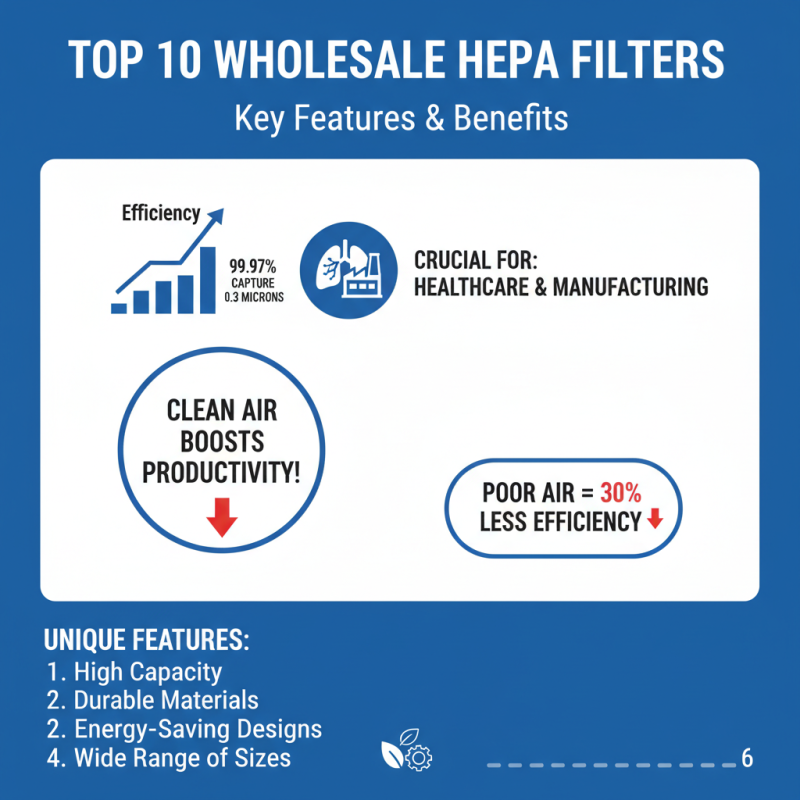
When selecting wholesale HEPA filters, efficiency is key. These filters can capture up to 99.97% of particles as small as 0.3 microns. This efficiency is crucial for sectors such as healthcare and manufacturing. Many industry reports indicate that clean air significantly impacts worker productivity. For example, poor air quality can lead to a 30% decrease in efficiency.
Another significant factor is durability. Some HEPA filters have a lifespan of over 1,500 hours. This durability reduces the frequency of replacements, saving costs in the long run. However, it's essential to monitor filter performance, as accumulation of particles may degrade efficiency. Some reports suggest that filters are often replaced too late, missing their peak performance window.
Additionally, unique features may include activated carbon layers for odor control. This addition can neutralize volatile organic compounds (VOCs), improving air quality further. Yet, not all facilities need this feature. For some, it may be an unnecessary expense, wasting resources. Understanding specific needs is vital for selecting the right filter. Balancing cost with performance efficiency remains a challenge in optimizing air quality solutions.
Comparative Analysis of Performance and Costs of HEPA Filters
When selecting HEPA filters, performance and cost are critical factors. High efficiency filters capture 99.97% of particles as small as 0.3 microns. However, the pricing varies widely. Some filters may be affordable, but their efficiency may fall short. Understanding the trade-off between cost and performance is essential.
Tips: Always check the specifications. Not all filters are created equal. A higher price does not guarantee better efficiency. Look for independent test results when possible.
Another aspect to consider is the filter's lifespan. Some filters last longer than others. Temporary cost savings may lead to more frequent replacements. This could increase overall expenses. Be aware of how often a filter needs changing.
Tips: Maintenance matters. Regularly replacing filters ensures optimal air quality. Delaying can lead to inefficiencies. Think about how many filters you need for your space. This can also affect costs over time.
Benefits of Using High Efficiency HEPA Filters in Various Environments
High efficiency HEPA filters have become essential in many environments, from hospitals to homes. These filters can trap 99.97% of particles as small as 0.3 microns. According to the Environmental Protection Agency (EPA), reducing indoor air pollutants can lead to health improvements for vulnerable populations. This is particularly crucial in spaces like schools and daycare centers, where children spend significant time.
Using high efficiency HEPA filters can greatly improve indoor air quality. In industrial settings, they reduce airborne contaminants, which is beneficial for workers' health. Reports indicate a noticeable decrease in respiratory issues when HEPA filters are in use. However, these filters require regular maintenance and timely replacement for optimal performance. Neglecting this can lead to increased resistance and decreased airflow, undermining their effectiveness.
In addition to health benefits, these filters contribute to productivity. A clean air environment can enhance cognitive function. A study by the Harvard T.H. Chan School of Public Health demonstrated that better air quality can lead to a 61% increase in cognitive scores. Yet, some users overlook humidity and temperature control. These factors can influence filter performance and overall air quality. It's important to find a balance to fully reap the benefits of high efficiency HEPA filters.
Top 10 Wholesale High Efficiency HEPA Filters for Clean Air
This bar chart illustrates the efficiency ratings of the top 10 wholesale high efficiency HEPA filters available in the market. High efficiency HEPA filters can significantly improve air quality by capturing airborne particles, making them ideal for various environments including homes, hospitals, and industrial settings.