2026 How to Source Wholesale High Efficiency Hepa Filters?
In recent years, the demand for Wholesale High Efficiency Hepa filters has surged. These filters are essential for improving indoor air quality. They trap harmful particles, allergens, and pollutants, making them vital for businesses and households alike. The challenge lies in sourcing these filters effectively.
Many suppliers offer various options, but not all provide the same level of efficiency. It's crucial to distinguish between high-quality filters and subpar alternatives. A comprehensive understanding of specifications is necessary. This knowledge helps you make informed decisions. Ordering wholesale offers cost advantages, but it also requires diligence in evaluating supplier reliability.
Navigating the market for Wholesale High Efficiency Hepa filters is not straightforward. Buyers often face overwhelming choices. Researching manufacturers and reviewing certifications can be time-consuming. It's important to remember that not every deal is a good deal. A hasty purchase can lead to regrets later on. Therefore, approach your sourcing journey with care and critical thinking.
Understanding HEPA Filters and Their Efficiency Standards
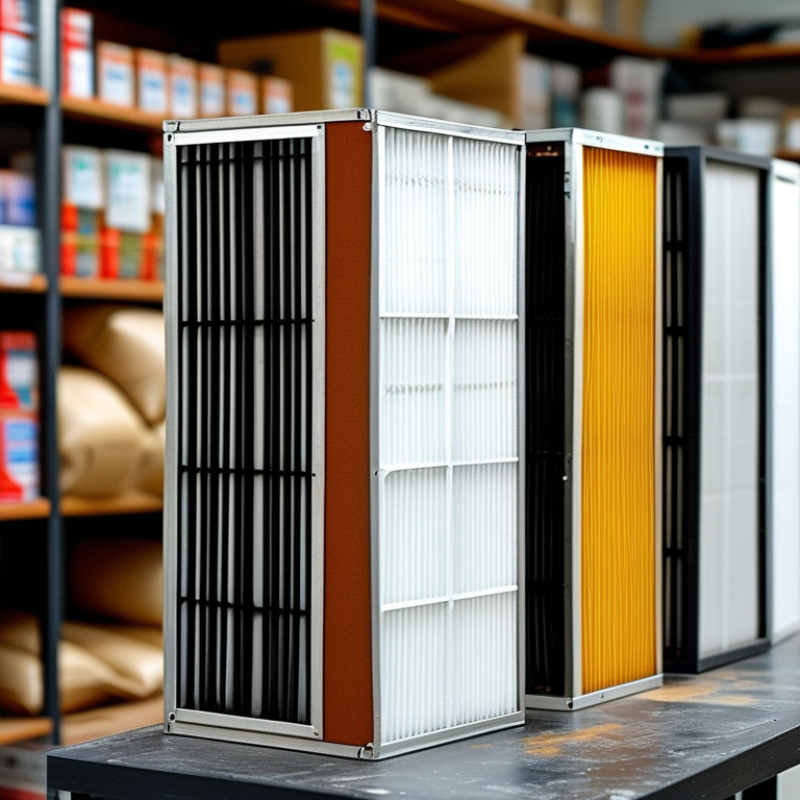
HEPA filters are crucial for maintaining healthy indoor air quality. These filters capture at least 99.97% of particles that are 0.3 microns or larger. This includes dust, pollen, and smoke. Their efficiency is measured using various standards like the ASHRAE 52.2 test. This test classifies filters based on their performance in capturing particles of different sizes.
The effectiveness of HEPA filters can vary significantly. A report from the U.S. Department of Energy states that the most effective HEPA filters can reduce airborne particulate matter by over 80%. However, it is essential to consider the design and maintenance of these filters. They may lose efficiency if not replaced regularly or used in the wrong applications. Thus, regular evaluations are necessary, which can be overlooked.
There’s a gap in understanding the types of HEPA filters available. Standard HEPA filters aren't the only option. Different grades exist, such as H13 and H14, which indicate varying levels of efficiency. Many consumers do not realize the importance of selecting a filter that meets their specific needs. More education on this subject can help users make informed choices to improve air quality effectively.
Identifying Reliable Wholesale Suppliers for HEPA Filters
Finding reliable wholesale suppliers for HEPA filters can be challenging. Many suppliers claim to offer high-quality products. However, it's crucial to verify their credentials. A good starting point is to look for industry certifications. Filters should meet established standards set by organizations like the American Society of Heating, Refrigerating and Air-Conditioning Engineers (ASHRAE).
Quality assurance is vital in sourcing. Suppliers who invest in testing their products often have a better reputation. According to a report by MarketsandMarkets, the HEPA filter market is projected to grow by 6.1% annually. This growth indicates an increasing demand, underscoring the importance of sourcing from trusted suppliers. Check for testimonials and case studies that highlight their performance.
Additionally, consider the supplier’s production capacity and lead times. Some may have longer waiting periods during peak demand. This could affect your supply chain. Engage with multiple sources. Building relationships can provide more options. A diverse supplier base is beneficial for reducing risks. In the HEPA filter marketplace, relying solely on one supplier may not be wise.
Evaluating Quality and Performance Metrics of HEPA Filters
When sourcing wholesale high-efficiency HEPA filters, evaluating quality and performance metrics is crucial. Start by examining the filtration efficiency rating, usually expressed in percentage. High-efficiency filters should capture at least 99.97% of particles down to 0.3 microns. Specifications should back this up, showing the filter's ability to trap small allergens, dust, and pollutants.
Consider the air resistance value. A higher resistance can mean reduced airflow, which may affect the efficiency of your HVAC system. Checking the filter's lifespan is also vital. Filters with longer lifespans can save costs in the long run. However, they may not always perform better. This is a tricky balance to assess.
Reviewing certifications is essential. Look for recommendations from reputable organizations. These endorsements can signal reliability. Be aware that performance can vary based on conditions. A filter effective in one setting may not perform similarly in another. Therefore, testing and user feedback play significant roles in selecting the right HEPA filter for your needs.
Negotiating Pricing and Terms with Wholesale Distributors
When sourcing wholesale high-efficiency HEPA filters, negotiating pricing and terms with distributors is crucial. The market for HEPA filters is expected to grow at a 6.5% CAGR by 2026, as reported by industry analysts. This demand creates a competitive environment where careful negotiation becomes essential to secure favorable terms.
Understanding the cost structure of HEPA filters can help in discussions. Distributors often have flexible pricing models based on volume. For example, buying in bulk can lead to significant discounts, sometimes exceeding 15%. However, don’t overlook smaller distributors; they may offer competitive prices and personalized service. It's essential to analyze your needs and identify the best supplier fit.
Always be prepared to switch suppliers if terms do not meet your standards. Transparency is key. Ask for detailed pricing breakdowns and any additional fees. Some distributors may not disclose shipping or handling charges upfront, which can impact overall costs. Building a relationship with reliable distributors can lead to better terms in the long run. Businesses must remain adaptable and willing to reassess supplier relationships as market conditions change.
Exploring Trends and Innovations in the HEPA Filter Market
The HEPA filter market is evolving rapidly. Innovations are emerging that enhance efficiency and performance. Manufacturers are now focusing on materials that provide better filtration. The use of nanofibers is becoming more common. These fibers improve airflow while capturing smaller particles effectively. The push for sustainability is also influencing design. More companies are experimenting with biodegradable materials.
Emerging trends show a shift towards smart technologies. Integrating sensors into HEPA filters is on the rise. This allows real-time monitoring of air quality. Users can receive alerts for filter replacements. Such advancements reflect a deeper understanding of consumer needs. However, challenges remain. Not all manufacturers understand the complexities of these technologies. Some products may lack the promised efficiency.
The market is also seeing increased competition. More players are entering with unique solutions. This saturation can create confusion for buyers. Not every new product lives up to its claims. Consumers should do thorough research before purchasing. It is essential to look for certified options. Balancing innovation with reliability is crucial. Understanding these dynamics within the HEPA filter market is necessary for informed decision-making.
2026 Trends in HEPA Filter Market