China Best Custom Industrial Hepa Filter Manufacturing Solutions?
The demand for Custom Industrial Hepa Filter Manufacturing is growing rapidly. According to recent market research, the global HEPA filter market is expected to reach $7.28 billion by 2027. This reflects a strong interest in high-efficiency filtration solutions across various sectors. Notably, experts emphasize the importance of customization in filter manufacturing to address industry-specific needs.
Dr. Michael Chen, a leading authority in air filtration technology, states, “Custom solutions can significantly enhance air quality in industrial applications.” His expertise highlights how tailored HEPA filters can optimize performance in diverse environments, from manufacturing plants to healthcare facilities. The challenge lies in balancing efficiency, cost, and adaptability in production.
The Custom Industrial Hepa Filter Manufacturing industry faces hurdles. Adapting to rapid technological advances is crucial. Additionally, sustainability issues must be considered, pushing manufacturers to rethink their practices. Only through continuous improvement and innovation can companies meet the evolving standards of air quality. In this landscape, the role of customization will be increasingly vital to succeed.
Overview of HEPA Filters and Their Importance in Industrial Applications
HEPA (High-Efficiency Particulate Air) filters play a crucial role in industrial applications. They are designed to capture 99.97% of particles as small as 0.3 microns. This includes dust, pollen, mold spores, and even bacteria. In industries where air quality is paramount, such as pharmaceuticals and food processing, HEPA filters are indispensable. They ensure a clean environment, which is vital for quality control.
However, the installation and maintenance of HEPA filters can be challenging. Many facilities overlook the importance of regular checks and replacements. Clogged or outdated filters can reduce efficiency significantly. This oversight can lead to increased operational costs and compromised product quality. It's crucial for industries to invest not just in HEPA filters, but also in training their staff on best practices for filter management.
Moreover, the selection of HEPA filters should be tailored to specific industrial needs. This customization is often where organizations falter. Off-the-shelf solutions may not provide the desired results. A deep understanding of air quality requirements and filter performance is necessary for the best outcomes. It's a process that requires constant evaluation and adaptability in changing environments.
Key Features of Custom Industrial HEPA Filters
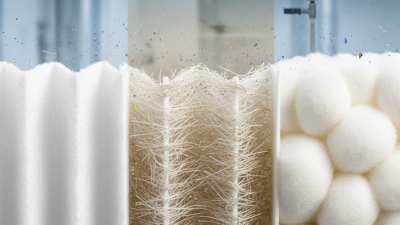
Custom industrial HEPA filters play a crucial role in maintaining air quality in various environments. These filters are designed to capture up to 99.97% of airborne particles. Their effectiveness stems from the advanced materials used in their construction. Typical materials include fiberglass, which ensures high filtration efficiency while remaining lightweight.
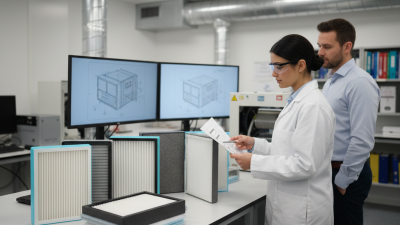
Customization is a vital aspect of industrial HEPA filters. Businesses can specify dimensions, materials, and performance levels to meet their unique needs. This adaptability allows for integration into diverse systems, including HVAC systems and cleanrooms. However, not all filters are created equal. Ensuring reliable performance means careful evaluation and testing. Choosing the wrong filter can lead to inadequate air purification, resulting in health risks and equipment damage.
Considerations such as airflow resistance and lifespan are essential. Filters with high efficiency may also have increased airflow resistance, which can affect system performance. Regular maintenance and monitoring are necessary to maximize filter longevity and efficiency. Disregarding these aspects can compromise the quality of filtered air. Hence, a thorough understanding of these variables is crucial for making informed decisions.
Top Manufacturers in China for Custom HEPA Filters
When it comes to HEPA filters, China stands out as a leading hub for custom manufacturing solutions. The demand for high-quality air filtration products continues to grow. This demand is driven by industries like healthcare, electronics, and automotive manufacturing. Numerous manufacturers in China specialize in producing HEPA filters tailored to specific needs. This allows businesses to find solutions that fit their unique application requirements.
Many top manufacturers focus on innovative designs and advanced materials. They use cutting-edge technology to produce filters that meet international standards. However, finding a reliable partner among many options can be overwhelming. Each manufacturer may have different capabilities and quality control processes. It's essential to investigate not only their product offerings but also their commitment to performance and certification.
A reliable manufacturer should provide transparent information about their production methods. Good communication is key when discussing projects. Some manufacturers may struggle with consistency in quality. Clients should seek those with proven track records and positive reviews. Engaging with top players in the industry can help ensure that your custom HEPA filters perform as expected. This step can significantly impact your operations.
Factors to Consider When Choosing a HEPA Filter Manufacturer
When selecting a HEPA filter manufacturer, several crucial factors come into play. Firstly, evaluate the manufacturer's experience in the industry. Companies with a proven track record often exhibit better design capabilities and production quality. According to industry reports, manufacturers with over ten years of experience tend to produce filters with a minimum efficiency of 99.97% at 0.3 microns. This standard is essential for applications in healthcare and cleanroom environments.
Next, consider the raw materials used in the production process. High-quality filters utilize materials like fiberglass or synthetic fibers. A study indicates that filters made from these materials have a longer service life and maintain higher efficiency in capturing particles. It's important to inquire about the manufacturer’s quality control measures. Consistent testing and compliance with international standards, such as ISO 29463, can significantly affect performance and reliability.
Lastly, assess customization capabilities. Not all manufacturers can cater to specific requirements for size, capacity, or application. The lack of customization can lead to suboptimal performance in unique environments. A flexible manufacturer can create solutions tailored to diverse needs, ensuring efficiency and safety. This adaptability is vital in a market where standards are continually evolving.
Innovative Technologies in HEPA Filter Manufacturing in China
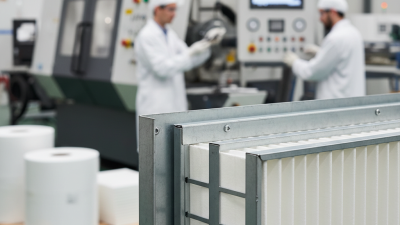
In recent years, China has emerged as a leader in HEPA filter manufacturing, driven by innovative technologies. The global HEPA filter market is projected to reach $6.58 billion by 2026, with a significant portion of production happening in China. Advanced manufacturing techniques, such as automation and smart technologies, play a crucial role in enhancing efficiency and quality.
One notable trend is the use of nanofiber technology in filter production. This method improves filtration efficiency while maintaining airflow. Reports indicate that filters made with nanofibers can achieve up to 99.97% efficiency for particles as small as 0.3 microns. Such advancements highlight China's commitment to improving air quality and meeting rigorous industry standards.
**Tip:** When selecting a HEPA filter, consider its MERV rating. High MERV ratings indicate better filtration performance but may also affect airflow.
Despite these advancements, challenges remain. Manufacturers must address issues related to waste management and the environmental impact of filter disposal. Incorporating sustainable materials and recycling methods is essential for the industry's future.
**Tip:** Regularly check and replace filters to ensure optimal performance and maintain good air quality in industrial settings.
HEPA Filter Manufacturing Efficiency in China