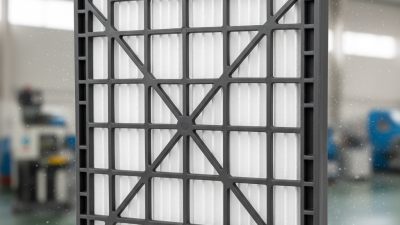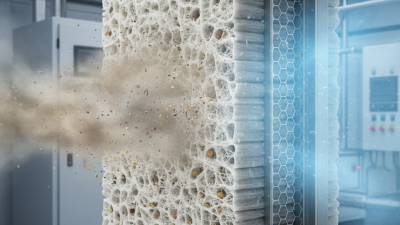
Indoor air quality is crucial for health and comfort. One often overlooked aspect is the air filter material used in HVAC systems. The effectiveness of filtration directly impacts the air we breathe. Among various options, the "Best Pleated Air Filter Material" stands out. This type of filter enhances airflow while trapping dust, pollen, and other pollutants.
Choosing the right pleated filter is not straightforward. There are different materials available, each with its pros and cons. For instance, fiberglass filters are cheap and disposable, but they may not capture smaller particles effectively. On the other hand, some synthetic filters excel but can be pricier. It’s important to find a balance between cost and efficiency.
Consumers may feel overwhelmed when faced with so many choices. It's essential to educate oneself about the material's characteristics. Understanding the filtration performance can lead to better decisions. Remember, the right pleated air filter can significantly improve indoor air quality. Reflect on your own filter choice and consider whether it truly meets your needs.
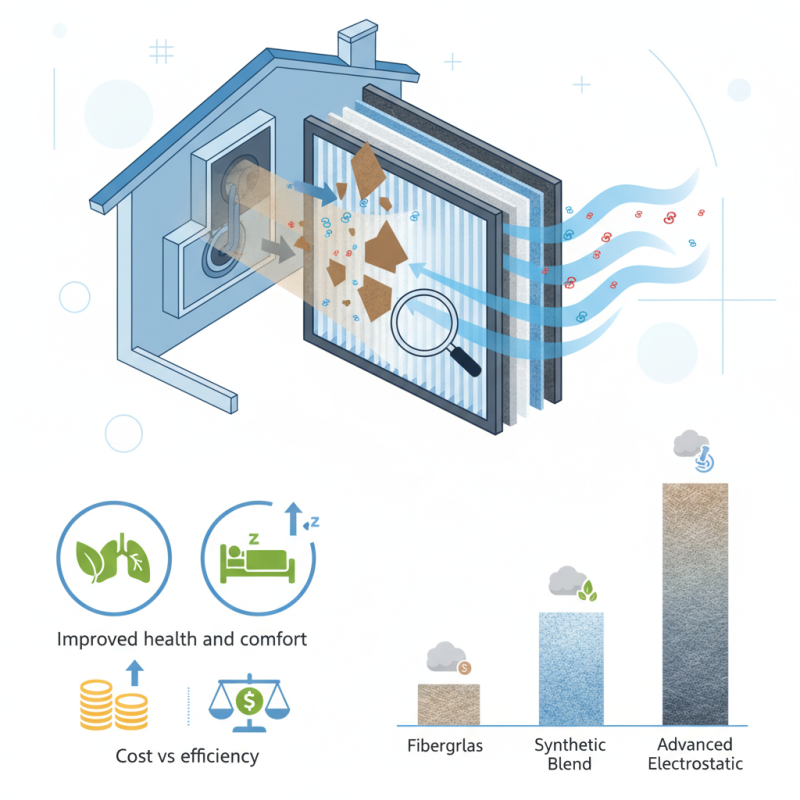
When selecting pleated air filter materials, key options emerge in the realm of indoor air quality. High-efficiency particulate air (HEPA) filters capture at least 99.97% of particles sized at 0.3 microns. Research shows these filters are effective against allergens and airborne pathogens, ensuring healthier indoor environments. Another popular choice is synthetic media, which is designed for longevity and better airflow. According to industry data, synthetic filters can last up to three times longer than traditional filters.
One aspect to consider is material thickness. Thicker filters often have a higher dust-holding capacity, but their airflow resistance may increase. A balance between efficiency and air circulation is essential. Data from HVAC studies indicate that improper selection can decrease filter performance, leading to higher energy costs and poorer air quality.
Tips: Regularly check and replace filters to maintain optimal performance. Monitor indoor humidity levels to enhance overall air quality. Understand the specifications of your HVAC system to choose the appropriate filter type. Investing time in selecting the right pleated air filter material could lead to noticeable improvements in indoor air quality and comfort.
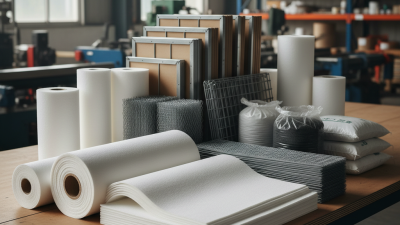
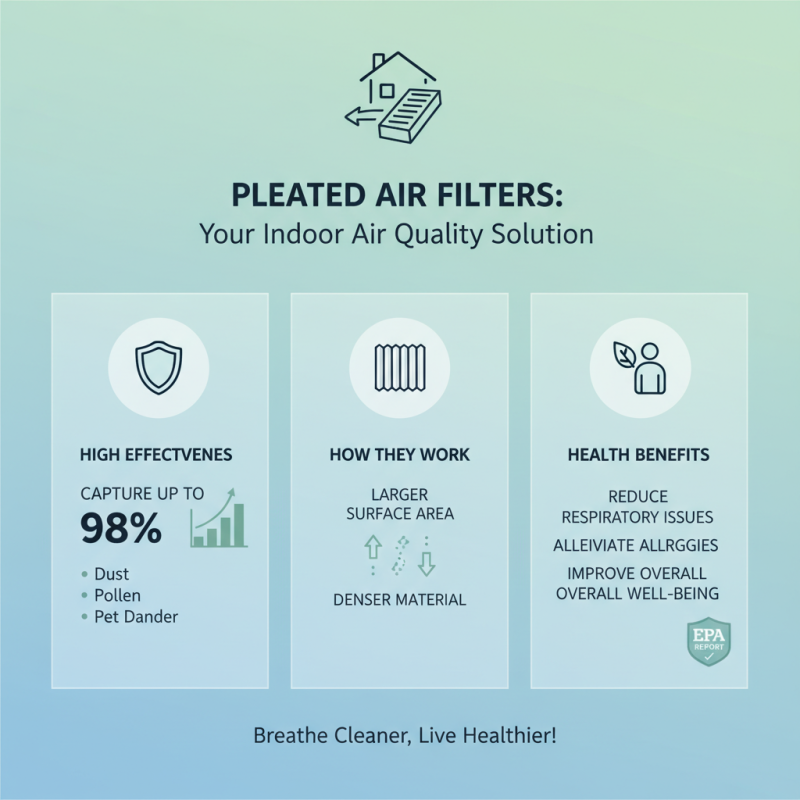
Pleated air filters are highly effective in maintaining optimal indoor air quality. Studies show they can capture up to 98% of common indoor pollutants, including dust, pollen, and pet dander. This effectiveness stems from their larger surface area and denser material. In fact, a report from the Environmental Protection Agency reveals that poor air quality can lead to serious health issues, including respiratory problems and allergies.
When selecting pleated filters, consider the MERV rating. Filters with a higher MERV rating can trap smaller particles but may also restrict airflow. Striking a balance is crucial. A filter with a MERV rating between 8 and 13 is often ideal for residential use. This level efficiently removes allergens without sacrificing airflow efficiency.
Tip: Regularly replace your air filters for best results. Every three months is a good rule of thumb. Ensure your HVAC system is functioning optimally. A system that runs efficiently can significantly enhance indoor air quality. Remember, stagnant air can lead to increased mold growth, highlighting the need for regular maintenance.
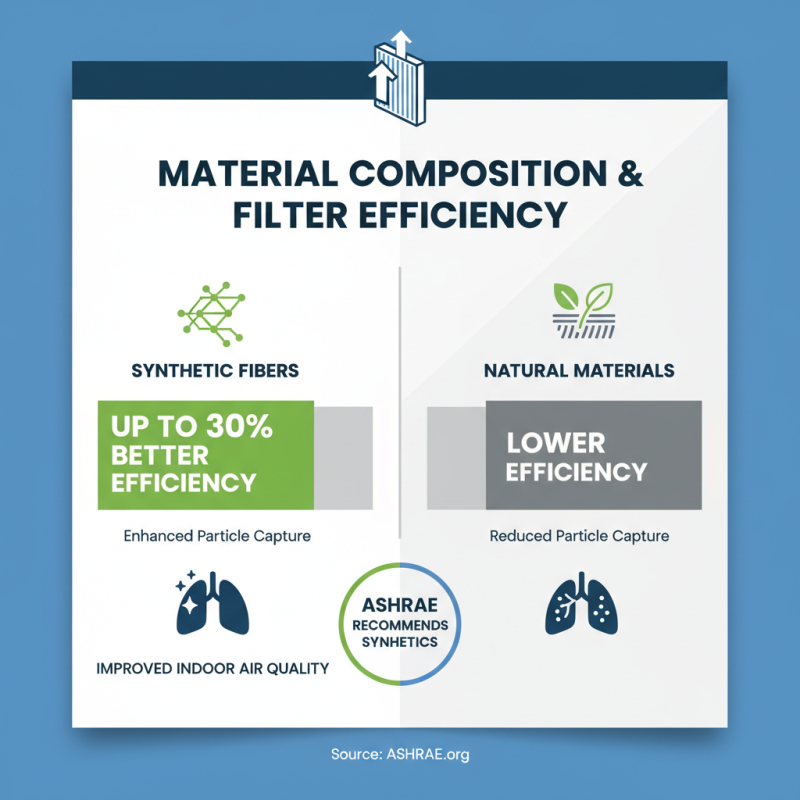
When discussing air filters, material composition plays a pivotal role in their efficiency ratings. Filters made from synthetic fibers tend to outperform those made from natural materials. According to the American Society of Heating, Refrigerating and Air-Conditioning Engineers (ASHRAE), synthetic materials can enhance particle capture efficiency by up to 30%. This superior performance translates directly to improved indoor air quality.
On the other hand, not all synthetic materials are created equal. Some may release volatile organic compounds (VOCs) into the air, prompting health concerns. A 2021 study highlighted that filters using lower-quality synthetic media could lead to an increase in indoor pollutants, counteracting the benefits they are supposed to provide. It raises a critical reflection point—how much do we truly understand about the materials used in our air filters?
Moreover, pleat design and spacing also influence filter performance. Filters with denser pleats can maximize surface area but may also restrict airflow. A balance must be struck here; a more efficient filter isn’t always the best choice in every system. Research indicates that reduced airflow can strain HVAC systems, reducing overall efficiency. Therefore, conscientious selection of filter material is essential for maintaining optimal indoor air quality.
Indoor air quality is increasingly recognized as vital for health. The MERV (Minimum Efficiency Reporting Value) rating system evaluates air filter effectiveness. Pleated air filters often achieve higher MERV ratings compared to standard filters. Reports indicate that pleated filters can reach MERV ratings from 8 to 13, effectively capturing dust, pollen, and pet dander.
Contrastingly, fiberglass filters tend to offer lower MERV values, typically around 1 to 4. These lower-rated filters fail to trap smaller particles efficiently. A study by the American Society of Heating, Refrigerating, and Air-Conditioning Engineers (ASHRAE) showed that using a higher-rated pleated filter can significantly reduce airborne particulate levels. However, using overly dense filters may restrict airflow, posing potential issues for HVAC systems.
Choosing the right filter involves balancing efficiency with system health. Professionals often recommend testing indoor air quality regularly. This ensures the chosen filter is performing optimally. It’s challenging to find the perfect filter, as each home has unique needs. Some may notice improved air quality immediately, while others might not observe instant benefits. Understanding these dynamics is crucial for making informed decisions on air filtration.
| Filter Type | MERV Rating | Particle Size (Microns) | Typical Use | Lifespan (Months) |
|---|---|---|---|---|
| Pleated Filter | MERV 8 - 12 | 3 - 10 | Residential Areas | 6 - 12 |
| HEPA Filter | MERV 13 - 16 | 0.3 - 1 | Allergy Prone Areas | 12 - 24 |
| Fiberglass Filter | MERV 1 - 4 | 10 - 100 | Basic Protection | 1 - 3 |
| Washable Filter | MERV 6 - 8 | 5 - 10 | Cost-effective Solution | 3 - 6 |
| Electrostatic Filter | MERV 10 - 13 | 0.3 - 10 | Pet Owners & Allergies | 6 - 12 |
When choosing pleated air filters, maintenance and lifespan play crucial roles. Regular upkeep ensures optimal air quality and system efficiency. Dirty filters can lead to reduced airflow and increased energy costs. Homeowners should check filters every 30 days, especially during peak usage months. Replace them at least every three months, but more frequently if you have pets.
The material of the pleated filter significantly affects its durability. High-quality synthetic materials often last longer than standard fibers. Some filters can capture particles as small as 0.3 microns, but this may lead to increased strain on your HVAC system. It's essential to find a balance between filtration efficiency and airflow.
Consider the environment as well. Humidity and dust levels can impact filter performance. In humid climates, filters may degrade faster. Always read manufacturer guidelines for maintenance advice. Reflecting on these factors can lead to better air quality and system longevity. Ignoring maintenance can have costly consequences. A proactive approach is always the best practice for indoor air quality.