Top 10 Wholesale Primary Air Filter Raw Material Suppliers?
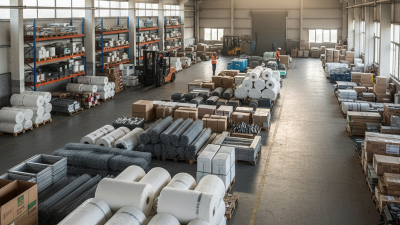
In the ever-evolving landscape of air filtration, the demand for quality raw materials is paramount. Wholesale Primary Air Filter Raw Material suppliers play a crucial role in ensuring effective filtration solutions. These suppliers provide essential components that uphold air quality standards in various industries, from automotive to manufacturing.
Understanding the market can feel overwhelming, with numerous options available. It is critical to identify reliable suppliers that offer both innovation and consistency. Many suppliers highlight their expertise and experience in sourcing top-grade materials. However, not all claims hold true. Research and due diligence are necessary steps for buyers.
Amidst the competition, challenges arise. Some suppliers may cut corners to reduce costs, compromising quality. Thus, scrutiny is essential when selecting a partner. Balancing cost and quality can be tricky. Ultimately, making informed decisions supports not only business growth but also enhances operational efficiency in air filtration systems.

Types of Primary Air Filter Raw Materials Used in Wholesale Production
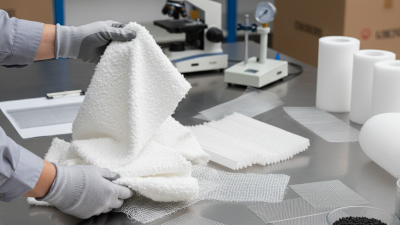
When it comes to wholesale production of primary air filters, the choice of raw materials is critical. Various materials like fiberglass, synthetic media, and cellulose are commonly utilized. Each type has its unique attributes. Fiberglass filters are known for their high efficiency and durability. They can capture a wide range of airborne particles.
Synthetic media, on the other hand, is designed for higher filtration capacity. These materials are often lighter and provide better airflow. They are ideal for environments where air quality is a concern. Cellulose, a natural material, is cost-effective. However, it may not perform as well under high humidity.
Tips: Always consider the specific needs of your market. The right material can influence filter performance. Monitor industry trends to stay updated. Sometimes, experimenting with mixed materials can provide innovative solutions, but remember to test their effectiveness thoroughly. Choose reliability over trends.
Key Criteria for Selecting Air Filter Raw Material Suppliers
When selecting air filter raw material suppliers, there are several key criteria to consider. Quality is paramount. A study from the International Journal of Air Quality indicates that filters made from high-quality materials can capture 95% of airborne particles larger than 0.3 microns. Failure to ensure quality can lead to poor filtration performance.
Sustainability is another important factor. The demand for eco-friendly materials is rising. Reports indicate that 62% of consumers prefer sustainable products. Suppliers who prioritize sustainable sourcing can enhance their market reputation and meet evolving consumer preferences.
Additionally, supplier reliability is critical. A recent market analysis showed that 45% of companies experienced delays due to unreliable suppliers. This impacts production timelines and customer satisfaction. Therefore, evaluating a supplier’s track record is essential. However, even trustworthy suppliers can face unforeseen challenges. Regular communication can help address such issues.
Top 10 Wholesale Suppliers of Primary Air Filter Raw Materials
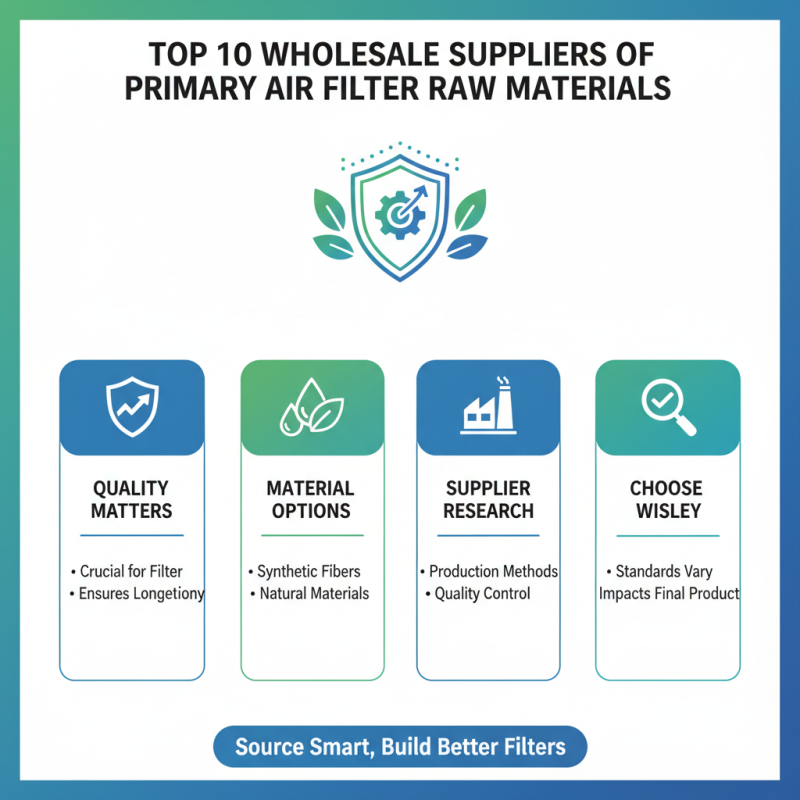
When sourcing primary air filter raw materials, choosing the right suppliers is crucial. High-quality materials ensure better filter performance and longevity. Many suppliers offer a variety of media options, from synthetic fibers to natural materials. It's vital to research each supplier's production methods and quality control processes. Not all suppliers maintain the same standards, which can impact your final product.
Consider local suppliers for quicker shipping times and lower transportation costs. Many smaller businesses provide personalized service and flexibility. They may be more willing to customize orders based on specific needs. However, this can lead to inconsistencies in quality if not managed well. Always request samples before placing large orders to verify quality.
Establishing long-term partnerships with reliable suppliers fosters trust and transparency. Pricing can fluctuate based on market conditions, so regular communication is essential. Some suppliers may not keep their promises, leading to delays. It's crucial to have contingency plans in place to mitigate any supply chain disruptions. Keeping a diverse list of suppliers can also provide backups when needed.
Analysis of Market Trends in Air Filter Manufacturing Materials
The air filter manufacturing industry is currently witnessing significant shifts. Raw materials used for primary air filters play a crucial role in determining product efficiency. Materials like synthetic fibers, cellulose, and activated carbon are increasingly favored. These materials enhance filtration efficiency and enable better air quality management. Market demand is shifting towards sustainable options, leading to innovations.
Sustainability is a trend that cannot be ignored. Many manufacturers are exploring biodegradable materials. They aim to reduce environmental impact while maintaining performance. Recycling and reusing materials are also gaining traction. However, not every supplier embraces these concepts effectively. This inconsistency often puzzles manufacturers when selecting reliable materials.
The evolution of market demands necessitates continuous adaptation. Suppliers must stay informed about new technologies and materials. Long-term partnerships become essential for mutual growth. As industry dynamics change, established suppliers may struggle to keep pace. The focus on quality, sustainability, and reliability remains vital for future success.
Top 10 Wholesale Primary Air Filter Raw Material Suppliers
Sustainability Practices Among Leading Air Filter Raw Material Suppliers
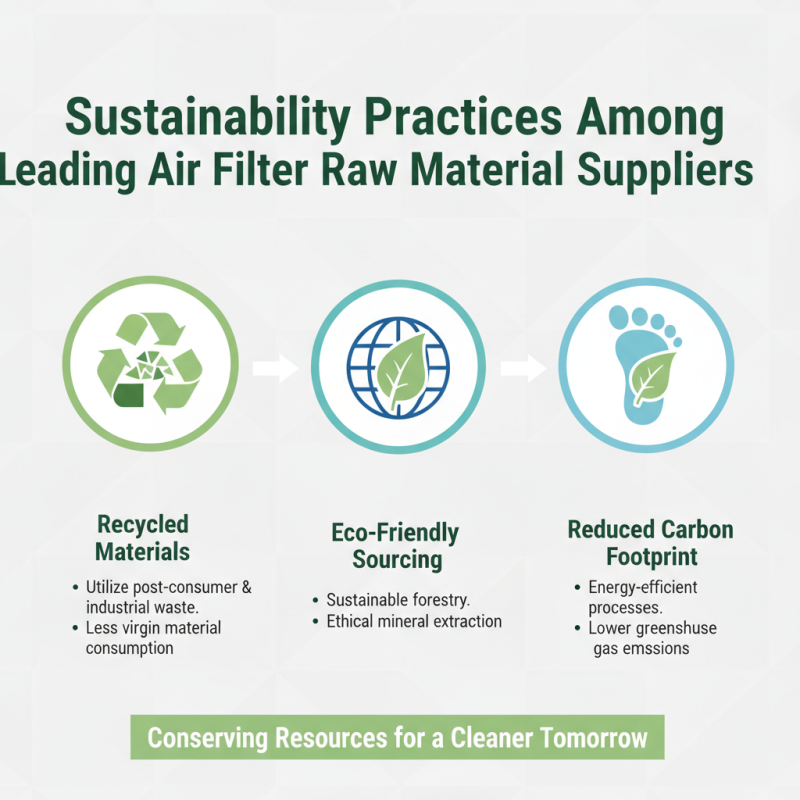
In the quest for sustainable manufacturing, leading suppliers of air filter raw materials are adopting innovative practices. They focus on using recycled materials for production. Many prioritize eco-friendly sourcing methods, ensuring minimal environmental impact. This approach not only conserves resources but also reduces carbon footprints.
Yet, challenges persist. Some suppliers struggle with establishing a fully transparent supply chain. Others encounter difficulties in sourcing high-quality recycled materials. This inconsistency can lead to fluctuations in filter performance. As such, ongoing assessments of sustainability practices become essential. Suppliers must bridge the gap between ambition and execution to meet evolving market demands.
A key trend among these suppliers is collaboration with environmental organizations. Many engage in research to improve the recyclability of their products. By investing in green technologies, they aim for better resource management. However, the journey toward sustainability is complex. It requires commitment and continuous improvement in operational processes. The landscape is changing, and suppliers must adapt to stay competitive.