Middle Efficiency Filter Media Benefits and Applications Explained?
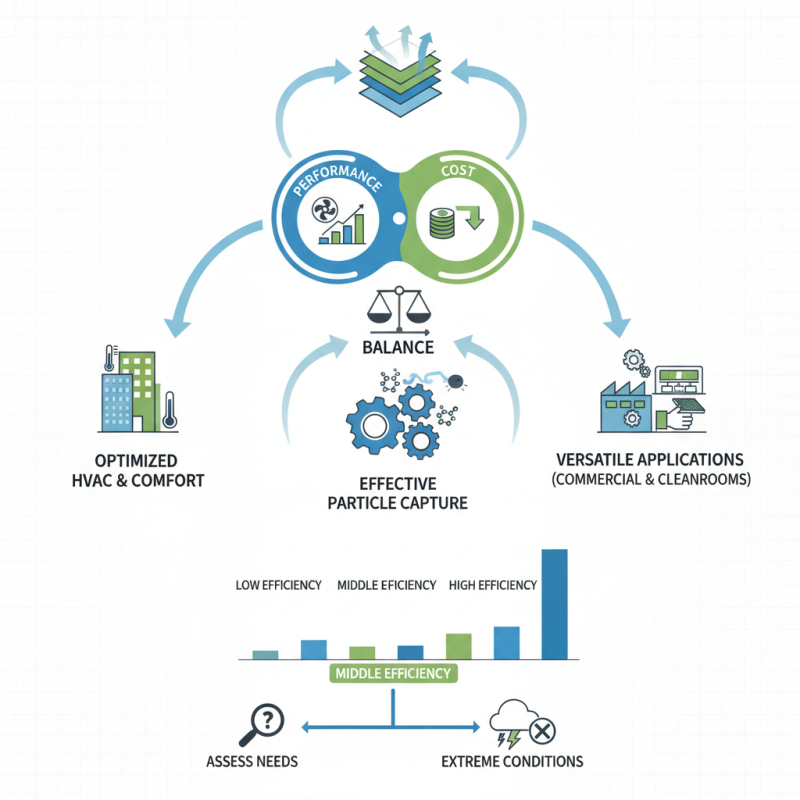
Middle Efficiency Filter Media has become essential in various industries. Expert John Smith emphasizes, “These filters balance performance and cost.” They capture airborne particles effectively while maintaining airflow. This efficiency optimizes HVAC systems, enhancing overall comfort.
Applications vary from commercial buildings to cleanrooms. Industries seek reliable filtration solutions. Middle Efficiency Filter Media often fills the gap between low and high-efficiency filters. However, it's crucial to assess specific needs for optimal usage. Not all environments may benefit equally from this type of media.
Understanding the benefits involves reflecting on individual requirements. Each application has its unique demands. Some might find it inadequate for extreme conditions. Yet, its versatility offers a practical solution for many. The balance of filtration efficiency and cost remains a critical discussion in this field.
Understanding Middle Efficiency Filter Media: An Overview
Middle efficiency filter media play a crucial role in various air filtration applications. These filters effectively remove airborne particles in the range of 1 to 10 microns. According to industry reports, they capture up to 85% of such particles, including dust and pollen. This efficiency makes them ideal for commercial buildings and HVAC systems.
In addition to their filtration performance, middle efficiency filters offer cost-effective solutions. Many organizations find that using these filters reduces maintenance costs. They require less frequent replacement compared to lower efficiency filters. However, some may overlook the importance of regular monitoring. Neglecting this can lead to reduced performance over time.
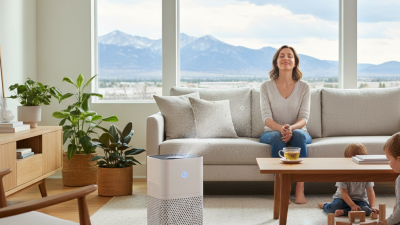
The applications for middle efficiency filter media are diverse. They are commonly found in healthcare environments, schools, and offices. These settings benefit particularly from improved indoor air quality. Yet, there are concerns regarding their ability to handle higher pollutant levels. Regular assessments are necessary to ensure optimal performance. Such measures can prevent potential health risks in sensitive populations.
Middle Efficiency Filter Media Benefits and Applications
| Dimension |
Description |
Benefits |
Applications |
| Efficiency Rating |
Typically rated between 30% - 60% on the Minimum Efficiency Reporting Value (MERV) scale. |
Balances air quality and energy efficiency, suitable for both residential and commercial use. |
HVAC systems, industrial filtration, and cleanroom environments. |
| Material Composition |
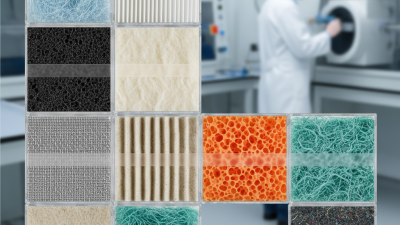
Made from synthetic fibers, fiberglass, or polyester media. |
Durable and effective in capturing various airborne particles. |
Air conditioning systems, gas turbine systems, and residential air purifiers. |
| Lifespan |
Typically lasts 3-6 months depending on usage and environment. |
Cost-effective solution reducing the need for frequent replacements. |
Commercial buildings, hospitals, and schools. |
| Airflow Resistance |
Moderate airflow resistance, allowing optimal air circulation. |
Maintains system efficiency while ensuring effective filtration. |
Ventilation systems and large air handling units. |
| Particle Size Capture |
Effective in capturing particles between 0.3 to 10 microns. |
Improves air quality by removing allergens and pathogens. |
Residential homes, healthcare facilities, and manufacturing plants. |
Key Benefits of Middle Efficiency Filter Media in Various Applications
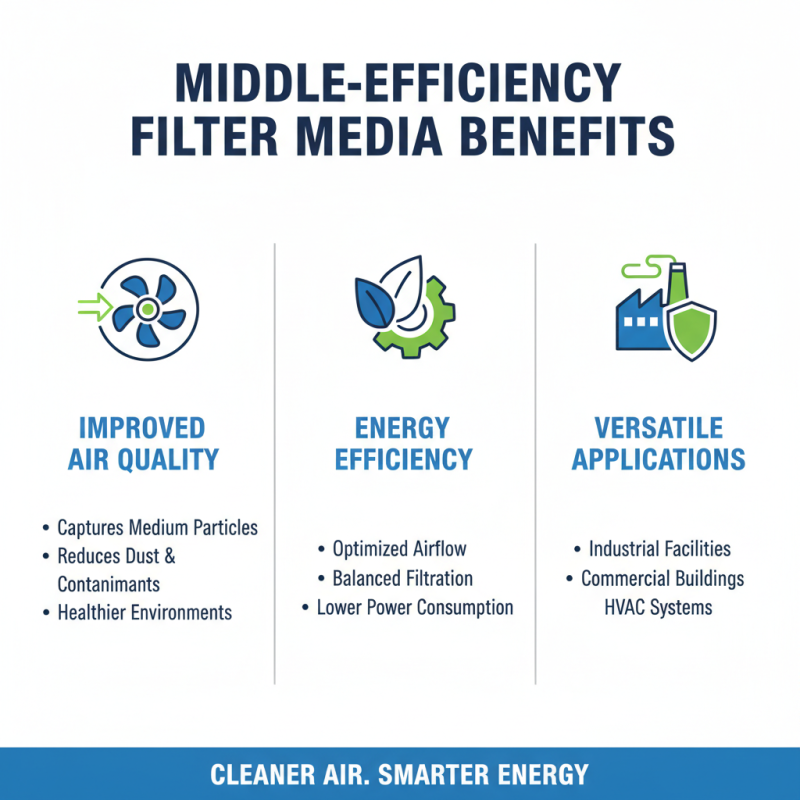
Middle efficiency filter media offer numerous benefits across various applications. They effectively capture medium-sized particles, enhancing air quality. This is especially crucial in industrial settings where dust and contaminants can accumulate. The filters are designed to strike a balance between air flow and filtration efficiency. This balance is vital for energy conservation.
In commercial buildings, middle efficiency filters help maintain a comfortable environment. They reduce the load on HVAC systems and prolong their lifespan. Also, they are often used in hospitals to ensure clean air for patients. The filtration helps in minimizing the spread of airborne infections. However, their effectiveness depends on regular maintenance and timely replacement. Neglecting this can lead to reduced performance.
Despite their advantages, middle efficiency filters may not be perfect for every situation. In some cases, higher efficiency filters might be necessary. Businesses must evaluate their specific needs carefully. Choosing the right filter involves considering particulate size and environmental factors. It's important to weigh the benefits against potential drawbacks.
Comparative Analysis of Middle Efficiency vs. Low and High Efficiency Filters
Middle efficiency filters serve a crucial role in air and liquid purification processes. They strike a balance between low and high efficiency filters. Data suggests that middle efficiency filters capture 70-80% of particulate matter. This range is significant for industrial applications where air quality is vital. In many cases, these filters can lower energy costs, as they often require less airflow than high efficiency options.
Comparing middle efficiency filters to low and high efficiency variants highlights essential differences. Low efficiency filters may only capture about 30% of pollutants. This can lead to higher levels of contaminants in the environment. In contrast, high efficiency filters can trap over 95% of particles. However, they demand more energy and can be costly to maintain. Some industries prioritize cost-effectiveness and energy savings over maximum filtration. A middle efficiency filter can significantly reduce particle concentration while keeping operational costs in check.
In real-world applications, one must consider the environment. Many facilities using middle efficiency filters achieve better balance in air quality without overwhelming energy consumption. This makes them attractive for manufacturing plants and commercial buildings. However, some facilities might overlook the necessary maintenance, risking decreased efficiency. Regular assessments are essential to ensure peak performance and long-term benefits.
Common Applications of Middle Efficiency Filter Media in Industries
Middle efficiency filter media plays a crucial role in various industries. Their effectiveness lies in balancing airflow and filtration. According to industry analysis, these filters capture about 70-80% of particulate pollution, making them ideal for diverse applications.
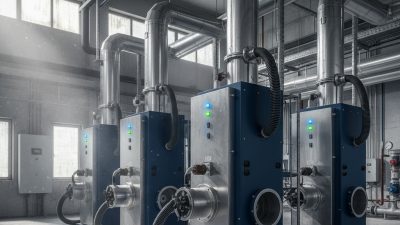
In manufacturing, middle efficiency filters are essential for HVAC systems. They help maintain air quality by reducing dust and contaminants. Statistics reveal that clean air can reduce equipment wear and tear. This can lead to substantial savings in maintenance costs, sometimes up to 30%.
Healthcare facilities also benefit from these filters. They help in controlling airborne infections. Around 50% of hospitals using middle efficiency media report lower infection rates. Yet, challenges remain in ensuring consistent filter replacement. Regular checks are essential to maintain optimal air quality levels.