Top 10 Air Filter Media Types for Optimal Indoor Air Quality
According to the Global Indoor Air Quality (IAQ) report published by the Environmental Protection Agency (EPA), poor indoor air quality can lead to numerous health issues, including respiratory problems, allergies, and even chronic diseases. With people spending about 90% of their time indoors, the importance of effective air filtration is paramount. One way to ensure optimal indoor air quality is through the selection of appropriate Air Filter Media Types, which directly influence the efficiency of air purification systems.
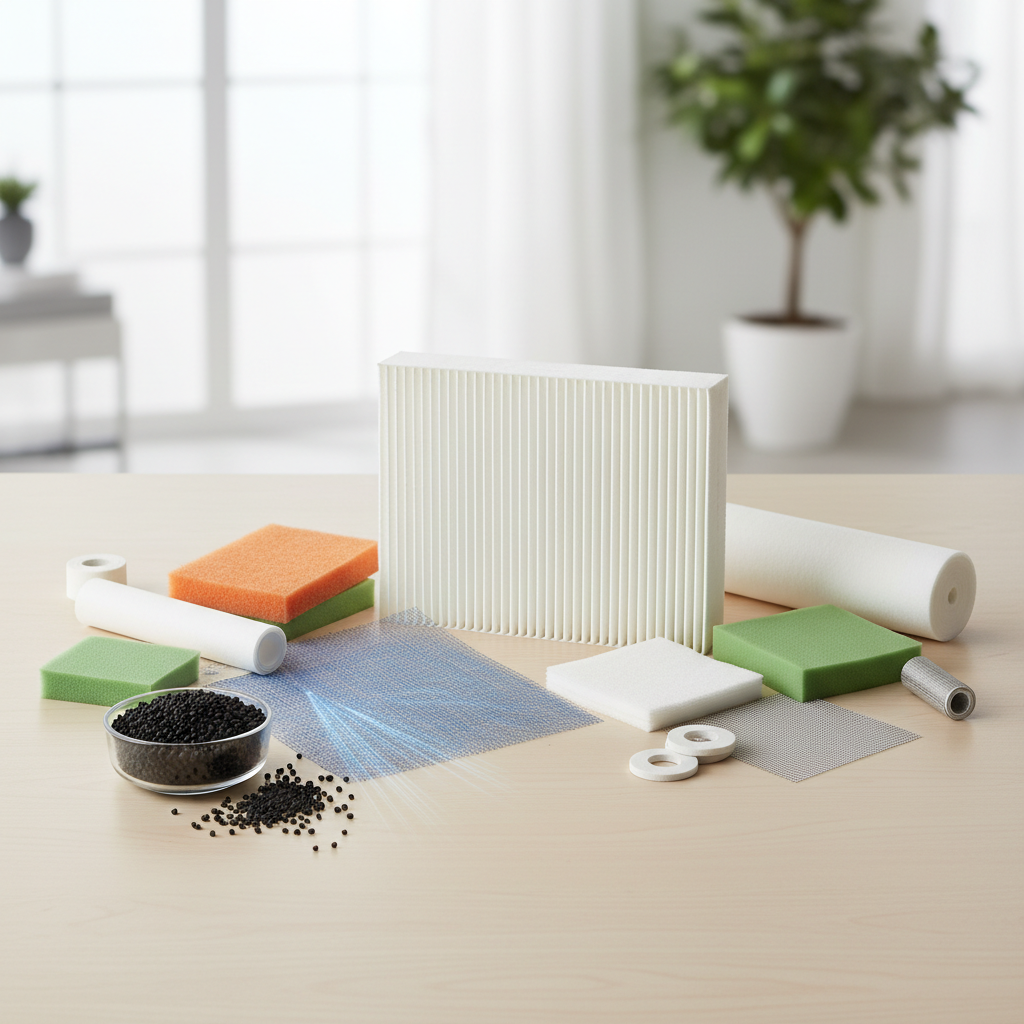
Dr. Emily Stanton, an esteemed expert in the field of air quality and a contributor to the Journal of Environmental Health, emphasizes the significance of choosing the right filter media. She states, "The diverse range of Air Filter Media Types available today allows for tailored solutions that can significantly enhance indoor air quality and overall health." This highlights the necessity of understanding the various media types, such as HEPA, activated carbon, and electrostatic filters, which each serve unique purposes in trapping pollutants and allergens.
As we explore the top 10 Air Filter Media Types, it is essential to consider their effectiveness, lifespan, and installation requirements. By making informed choices about these media options, homeowners and businesses alike can create healthier indoor environments, reducing the risks associated with poor air quality and promoting well-being.
Understanding the Importance of Air Filter Media in Indoor Air Quality Management
Indoor air quality (IAQ) has become a significant concern as we spend most of our time indoors. The type of air filter media used in HVAC systems plays a crucial role in maintaining a healthy indoor environment. Various filter media target different pollutants, such as dust, pollen, pet dander, and even airborne pathogens. Understanding these media types helps in selecting the right one for your specific needs, ensuring that the air you breathe is clean and safe.
When choosing air filter media, consider upgrades to higher-grade filters that can capture smaller particles, especially if you have allergies or respiratory conditions. Additionally, don't overlook the importance of regular maintenance; changing filters according to the manufacturer's recommendations can help maximize their efficiency.
Tips: Opt for HEPA filters if you’re after high filtration efficiency, as they are designed to trap 99.97% of particles that are 0.3 microns in size. For those who need to manage odors, activated carbon filters can significantly help in reducing unpleasant smells. Moreover, always check the MERV rating of your filters—a higher MERV rating typically indicates better filtration capability.
Exploring HEPA Filters: Standards, Efficiency, and Applications in Residential Spaces
HEPA filters, or High Efficiency Particulate Air filters, are renowned for their ability to trap an impressive 99.97% of particles that are 0.3 microns in size. These filters have become a staple in residential spaces, particularly for individuals with allergies or respiratory conditions. Their effectiveness in reducing airborne contaminants, including dust, pollen, and pet dander, makes them essential for maintaining optimal indoor air quality. When choosing a HEPA filter, it's crucial to ensure that it meets industry standards set by the Department of Energy (DOE) to guarantee the highest efficiency.
Tips for maximizing HEPA filter efficiency include regular maintenance and replacement every 6 to 12 months, depending on usage. It's also beneficial to assemble a multi-layer air purification system, which combines HEPA filters with activated carbon filters for enhanced removal of odors and volatile organic compounds (VOCs). Furthermore, ensure proper air circulation in your home by strategically placing air purifiers in areas with high traffic or poor ventilation. This approach not only prolongs the lifespan of your HEPA filter but also ensures cleaner air throughout your living space.
Activated Carbon Filters: Combating Odors and Chemical Pollutants in Homes
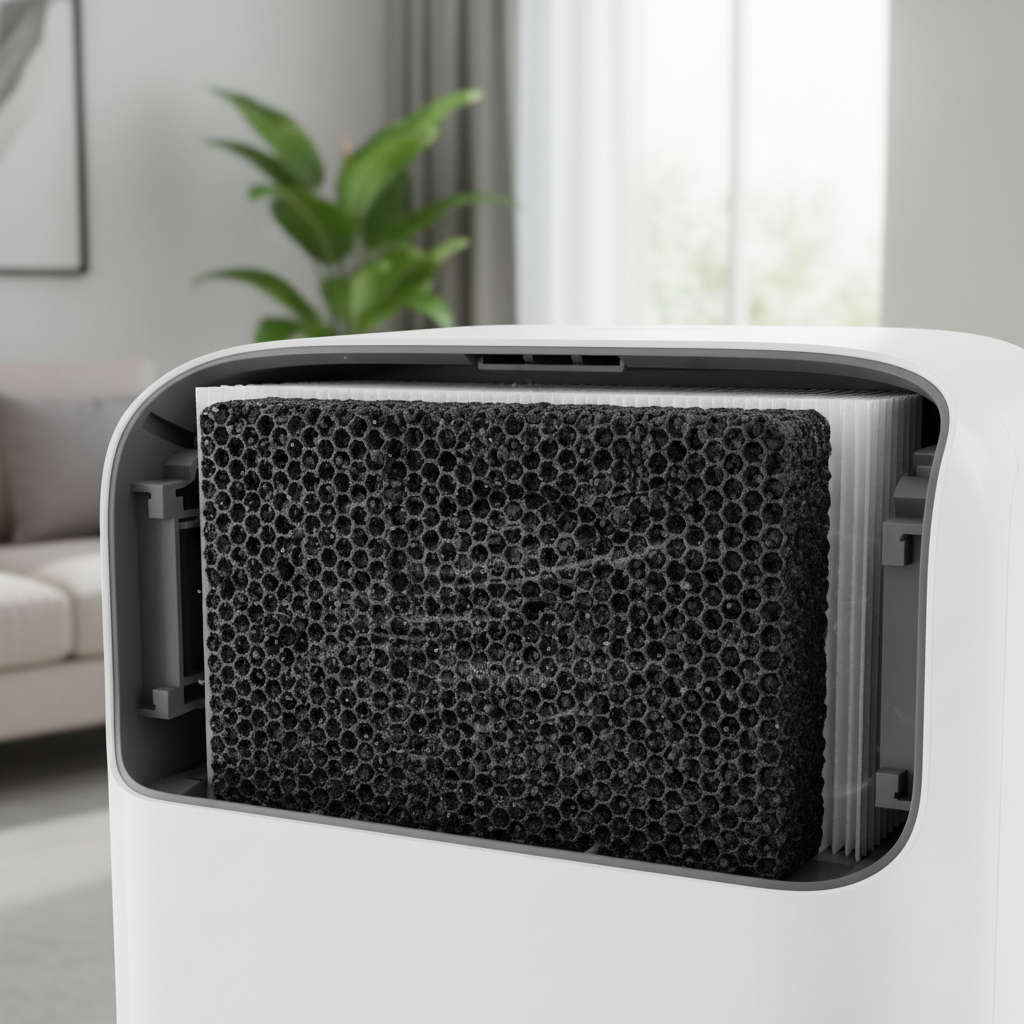
Activated carbon filters are a popular choice for improving indoor air quality, particularly when it comes to combating odors and chemical pollutants. These filters work by adsorbing harmful substances from the air, effectively trapping volatile organic compounds (VOCs), smoke, and unpleasant smells. The porous nature of activated carbon allows it to have a large surface area, making it highly effective at capturing a wide range of contaminants. This makes it an ideal solution for kitchens, bathrooms, and areas where pets are present, as they can significantly reduce the presence of unwanted odors.
Tips for using activated carbon filters:
1. Placement Matters: Ensure that your activated carbon filter is placed in high-traffic areas of your home where odors tend to accumulate, such as near garbage bins or pet areas.
2. Regular Replacement: To maintain optimal performance, be sure to replace your filters regularly according to the manufacturer's instructions. Over time, the carbon can become saturated and less effective.
3. Combine with Other Filters: For best results, consider using activated carbon filters in conjunction with HEPA filters. While HEPA filters trap larger particles like dust and allergens, activated carbon filters will deal with odors and chemicals, ensuring comprehensive air purification.
MERV Ratings Explained: Choosing the Right Filter Media for Your HVAC System
When selecting air filter media for your HVAC system, understanding MERV (Minimum Efficiency Reporting Value) ratings is crucial. MERV ratings range from 1 to 16, indicating the filter’s ability to capture airborne particles of various sizes. Filters with a MERV rating of 1-4 are typically less effective at trapping smaller particles, capturing only large dust and pollen. In contrast, filters rated 8-12 efficiently capture smaller impurities, including pet dander and mold spores, making them ideal for most residential uses. For settings requiring superior air quality, such as hospitals or clean rooms, filters rated 13-16 can capture microscopic particles, including bacteria and smoke.
Tips: When choosing the right filter media, consider the specific air quality needs of your environment. Regularly replacing your filters, ideally every 3 months, can maintain optimal efficiency. Additionally, consult reports from the ASHRAE (American Society of Heating, Refrigerating, and Air-Conditioning Engineers), which emphasize the importance of filtering efficiency not just for comfort but also for health, potentially reducing respiratory issues by up to 40% in well-maintained systems.
Understanding MERV ratings can also help you avoid the common pitfall of selecting a filter with too high of a rating for your system, which can restrict airflow and reduce system efficiency. Always check your HVAC manufacturer’s specifications to find the ideal balance between air quality and system performance.
Top 10 Air Filter Media Types for Optimal Indoor Air Quality
| Filter Media Type |
MERV Rating |
Particle Size Efficiency (microns) |
Typical Applications |
| Fiberglass Filters |
1-4 |
10+ µm |
Residential HVAC Systems |
| Pleated Filters |
5-8 |
3-10 µm |
Residential & Commercial |
| HEPA Filters |
13-16 |
0.3-1 µm |
Hospitals, Clean Rooms |
| Electrostatic Filters |
7-12 |
3-10 µm |
Residential, Industrial |
| Activated Carbon Filters |
5-8 |
Various |
Odor Control |
| Washable Filters |
6-8 |
10+ µm |
HVAC Systems |
| UV Filters |
N/A |
N/A |
Bacteria & Virus Removal |
| Cellulose Filters |
6-10 |
5-10 µm |
Commercial HVAC |
| Synthetic Filters |
8-11 |
2-10 µm |
Residential & Commercial |
| MERV 16 Filters |
16 |
0.3-1 µm |
Hospital HVAC, Clean Rooms |
Comparative Analysis of Electrostatic Filters vs. Traditional Options for Dust Removal
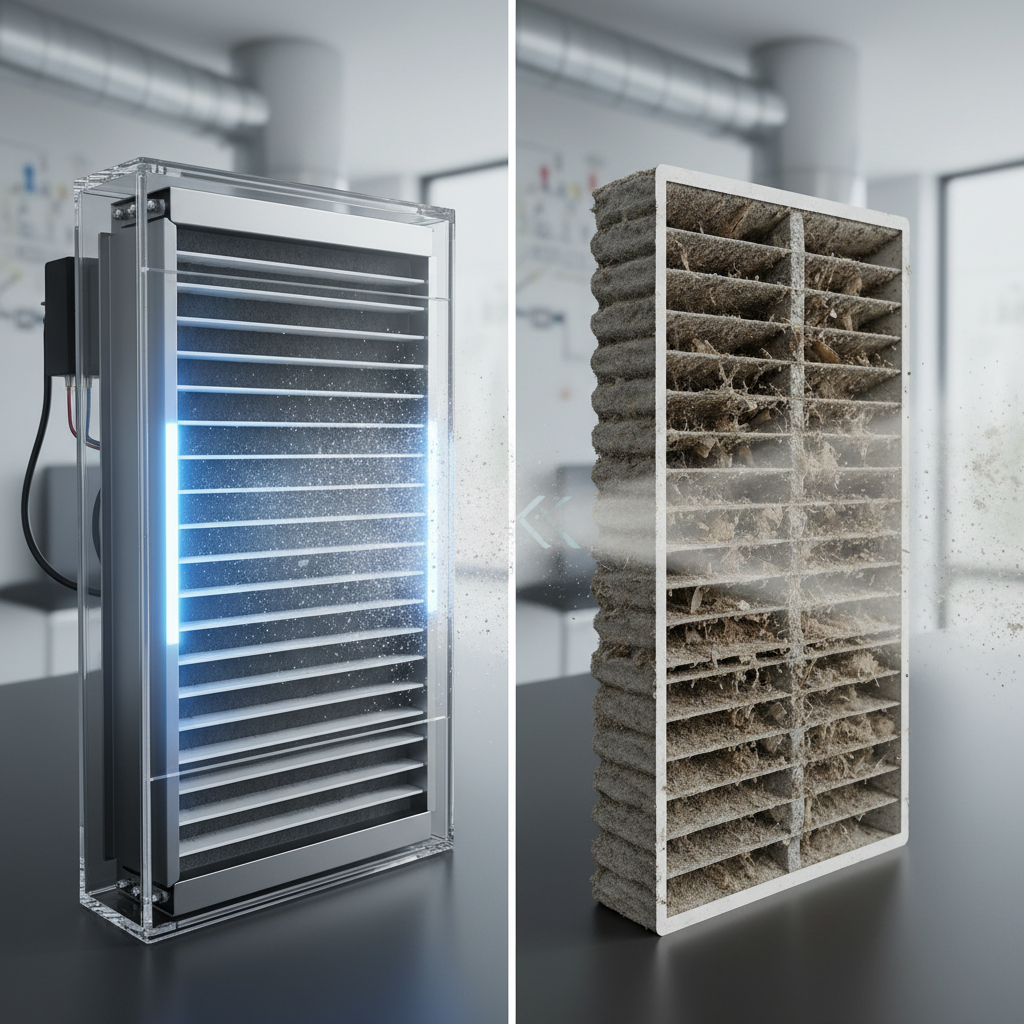
Electrostatic filters have gained popularity in indoor air quality management due to their advanced dust removal capabilities compared to traditional filter options. According to the U.S. Environmental Protection Agency (EPA), particulate matter (PM) can significantly affect health, highlighting the need for effective filtration solutions. Traditional filters, often made from fibrous materials like fiberglass, generally operate based on mechanical filtration, trapping particles as air flows through. However, they tend to lose efficiency over time as they become clogged with dirt and debris, resulting in decreased airflow and filtration efficacy.
In contrast, electrostatic filters utilize static electricity to attract and capture particles, often achieving higher efficiency ratings. Research by the American Society of Heating, Refrigerating and Air-Conditioning Engineers (ASHRAE) indicates that electrostatic filters can capture up to 95% of airborne particles, significantly outperforming conventional filters, which may only trap about 65% of the same particles. This not only ensures improved indoor air quality but also helps in prolonging the lifespan of HVAC systems by reducing strain caused by airflow obstruction. As indoor spaces prioritize healthier environments, the shift towards electrostatic filtration technology is poised to transform air purification practices.