Essential Tips for Choosing the Right HVAC Filter Fabric?
Choosing the right HVAC filter fabric is crucial for maintaining air quality. Industry expert Jane Doe emphasizes, "The right filter can make a world of difference." Selecting the ideal fabric increases system efficiency and enhances air purity.
HVAC filter fabric serves as the first line of defense against dust and allergens. An appropriate choice prevents contaminants from circulating in your indoor space. However, many overlook the specific needs of their systems. A mismatch can lead to poor performance and potential health issues.
It's essential to consider factors like material type and filter rating. The right fabric balances airflow and filtration. Neglecting these details may seem minor but can significantly impact your HVAC system's longevity. Recognizing the importance of these choices can enhance both comfort and health in your home.
Understanding Different Types of HVAC Filters Available on the Market
When selecting an HVAC filter, understanding the types available is crucial. Common options include HEPA, electrostatic, and fiberglass filters. Each type has its unique function. HEPA filters can capture 99.97% of particles, ensuring cleaner air. They are essential for individuals with allergies or respiratory issues. However, HEPA filters require more maintenance. They can reduce airflow if not replaced regularly.
Electrostatic filters use static electricity. They attract and trap particles as air passes through. These filters are reusable, making them an eco-friendly option. Yet, they may not be as effective against smaller particles. In fact, a study found that electrostatic filters capture about 80% of 0.3-micron particles. This is notably lower than HEPA filters.
Fiberglass filters are the least expensive. They are effective for larger particles. Yet, they have a short lifespan and need frequent replacement. They generally capture less than 10% of smaller particles. Customers often overlook this detail. According to industry reports, nearly 30% of homeowners do not replace filters regularly. This can result in poor indoor air quality. Understanding these distinctions is essential for making an informed choice.
Key Factors to Consider When Selecting HVAC Filter Fabric
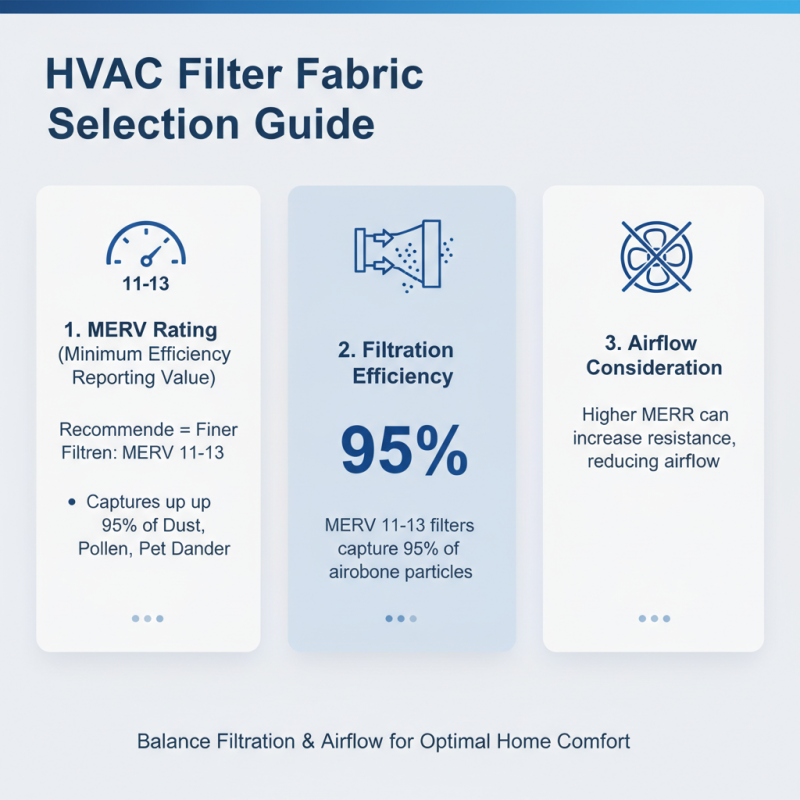
When selecting HVAC filter fabric, several key factors come into play. The MERV rating, or Minimum Efficiency Reporting Value, is crucial. A higher MERV rating indicates finer filtration capabilities. Studies show that filters with MERV ratings of 11-13 can capture up to 95% of airborne particles. This includes dust, pollen, and pet dander. However, a higher MERV rating may lead to increased resistance, affecting airflow.
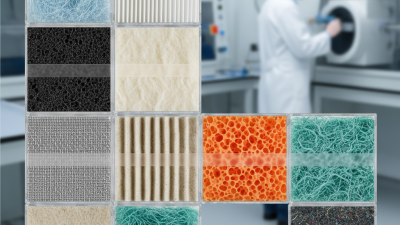
Material composition is another vital consideration. Common materials include fiberglass, polyester, and pleated fabric. Polyester, known for its durability, offers a longer lifespan. Manufacturers report that high-quality polyester filters can last up to six months. Yet, cost may increase with advanced materials. Balancing quality and budget is often challenging for many users.
Considering environmental impact is also essential. Some filters are designed to be washable and reusable. This reduces waste but may not provide the same efficiency. According to a report from the Global Filter Market, around 30% of businesses are now opting for eco-friendly solutions. It's important to weigh these options against performance needs. What is the best fit for your environment?
Evaluating Filter Efficiency Ratings: MERV and Beyond
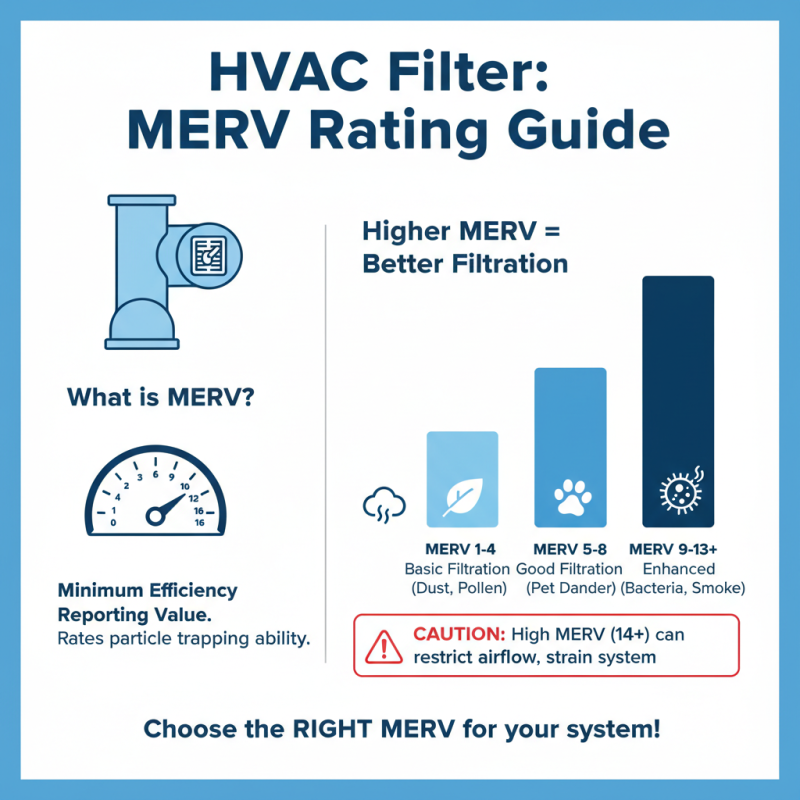
When choosing an HVAC filter, understanding its efficiency rating is crucial. The Minimum Efficiency Reporting Value (MERV) rates filters based on their ability to trap particles. A higher MERV rating means better filtration. However, not all high-MERV filters are suitable for every HVAC system. Sometimes, the airflow can be restricted, which may strain the system.
Consider your specific air quality needs. For instance, if allergies are a concern, opt for filters with a MERV rating between 8 and 13. These filters capture a significant amount of dust, pollen, and mold spores. Filters with a MERV above 13 may provide even better filtration but might not be compatible with every system. Do a bit of research to avoid potential problems.
It's also essential to think about your maintenance routine. Higher-rated filters may need more frequent replacement. Keeping track of when to change filters can be challenging but is necessary for optimal performance. Remember, cost isn’t the only factor. Sometimes, spending more upfront saves you in repairs down the line.
Common Mistakes to Avoid When Choosing HVAC Filter Materials
When selecting HVAC filter materials, many make critical mistakes. One common error is choosing filters based solely on price. While cost is important, it often leads to poor air quality. According to the American Society of Heating, Refrigerating and Air-Conditioning Engineers (ASHRAE), high-efficiency filters improve indoor air quality significantly. They are worth the investment.
Another frequent oversight is ignoring the MERV rating. The Minimum Efficiency Reporting Value (MERV) measures a filter's ability to capture particles. A filter with a low MERV rating may not trap dust effectively. Research by the Environmental Protection Agency (EPA) suggests that filters with a MERV rating of 8-13 can capture 70%-85% of airborne particles. Selecting the wrong MERV can lead to allergies flaring up.
Not considering the compatibility with HVAC systems is another mistake. Filters that are too dense can restrict airflow, making systems work harder. This can result in higher energy bills. Reports show that inadequate filtration can lower HVAC efficiency by up to 15%. Always check the system specifications before purchasing. Remember, a bit of diligence can lead to better indoor air and system longevity.
Essential Tips for Choosing the Right HVAC Filter Fabric
Understanding the filtration efficiency associated with different HVAC filter fabrics is crucial for selecting the appropriate filter for your needs. The chart above illustrates the efficiency rates of various filter types, highlighting the importance of choosing the right filter to optimize air quality and system performance.
Maintenance Tips for Prolonging the Life of Your HVAC Filters
Maintaining HVAC filters is crucial for keeping your system efficient. Regularly checking and replacing filters can reduce energy consumption. Dirt and debris accumulate over time, obstructing airflow. This can lead to higher energy costs and reduced system life. A timely filter change can prevent these issues.
Cleaning reusable filters can extend their lifespan. Rinse them gently in water and let them dry completely. However, be careful: excessive washing may wear them out. Check your filters every month at first, then adjust based on use. Some might forget this simple task, but it’s essential for performance.
Tracking replacement dates can improve your routine. A calendar reminder could help. In areas with heavy dust or pollen, more frequent changes are necessary. Observe air quality in your home; noticeable dust may indicate a filter issue. Regular maintenance might seem trivial, yet it’s vital for efficiency and life extension of your HVAC system.