Why Sustainable Air Filtration is Essential for a Healthy Environment
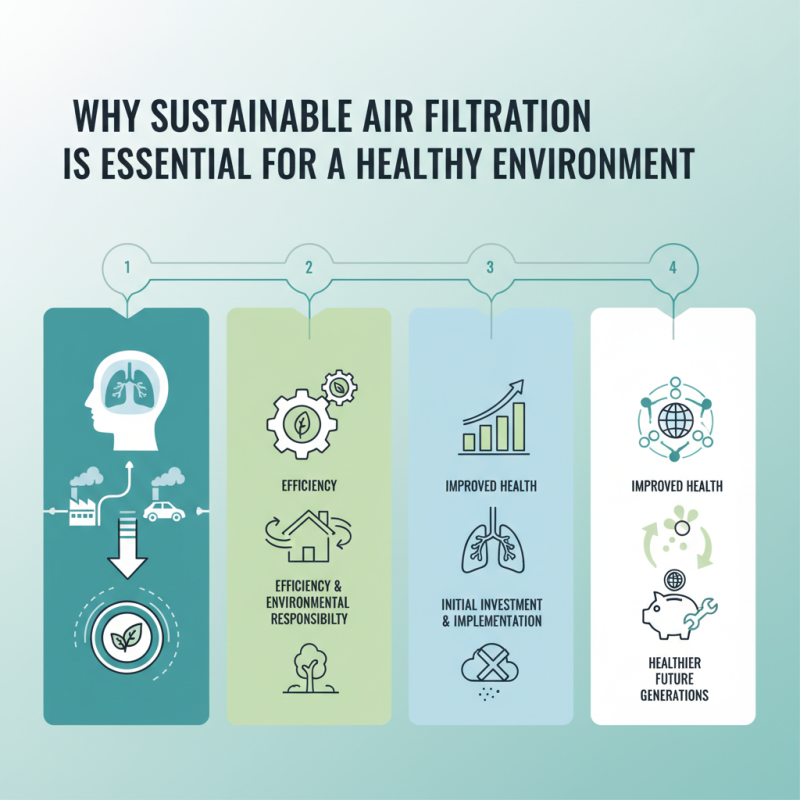
Air quality is a pressing issue today. Many people are unaware of how it directly impacts health. In this context, "Filtrazione Aria Sostenibile" becomes essential. Sustainable air filtration can dramatically improve indoor and outdoor environments. It helps reduce pollutants and allergens that threaten our well-being.
We often take clean air for granted. However, numerous industrial processes and urban activities compromise air quality. People experience respiratory problems and allergies. Sustainable solutions are necessary to combat this. A shift towards sustainable air filtration can make a difference. Efficiency and environmental responsibility go hand in hand.
Yet, adopting these technologies poses challenges. The initial investment might deter some. There is still much to learn about optimal implementation. Solutions must balance effectiveness and sustainability. While we seek cleaner air, it is crucial to reflect on our choices. Together we can create healthier environments for future generations.
The Importance of Clean Air for Human Health and Well-being
Clean air is essential for human health and well-being. It affects our physical and mental wellness daily. Poor air quality can lead to respiratory diseases and other health problems. Many people are unaware of the long-term impacts of pollution. Children and the elderly are particularly vulnerable.
Sustainable air filtration systems play a crucial role. They can significantly reduce indoor pollutants. This technology helps improve air quality in homes, schools, and workplaces. Without such systems, we may inhale harmful particles. The consequences can be severe and lasting.
Moreover, the urgency of this issue is often overlooked. While some strive for cleaner air, many remain indifferent. Each of us has a part in this battle. We must reflect on our air quality choices. When we prioritize clean air, we enhance our collective health. The journey toward a healthier environment starts now.
Why Sustainable Air Filtration is Essential for a Healthy Environment
This bar chart illustrates the impact of air filtration on indoor air quality across different pollutants. Clean air is vital for human health and well-being, making sustainable air filtration solutions essential in our living environments.
Understanding Air Pollution: Sources and Its Effects on the Environment
Air pollution is a pressing global issue. It affects our health and the environment profoundly. Sources of air pollution include vehicles, factories, and agricultural practices. Emissions from these sources release harmful substances. These pollutants have serious impacts on both human health and ecosystems. For example, nitrogen oxides and sulfur dioxide can harm plant life, making it harder for them to thrive.
Moreover, fine particulate matter can penetrate deep into our lungs. This leads to respiratory issues and cardiovascular diseases. The effects extend beyond human health. Polluted air affects weather patterns and contributes to climate change. Unfortunately, the connection between air pollution and these widespread issues is often overlooked.
In many cities, air quality is compromised daily. People may not notice the gradual changes. The air feels heavy, but life continues as usual. Sustainable air filtration can mitigate these issues. These systems help improve indoor air quality. They can filter out pollutants and provide cleaner air for occupants. However, the challenge remains in ensuring widespread adoption. Education and awareness are key. Many people still underestimate the power of clean air. Understanding the sources and effects of air pollution is the first step toward change.
Why Sustainable Air Filtration is Essential for a Healthy Environment
| Pollutant Source |
Common Pollutants |
Effects on Health |
Environmental Impact |
Sustainable Filtration Solutions |
| Vehicular Emissions |
Nitrogen oxides, Carbon monoxide |
Respiratory issues, cardiovascular diseases |
Contributes to urban smog and climate change |
High-efficiency particulate air (HEPA) filters |
| Industrial Activities |
Sulfur dioxide, Volatile organic compounds |
Allergies, lung damage |
Acid rain, soil degradation |
Activated carbon filters |
| Household Products |
Formaldehyde, Benzene |
Headaches, dizziness |
Indoor air quality degradation |
Ionization and ozone generation filters |
| Agricultural Runoff |
Pesticides, Fertilizers |
Nausea, long-term health effects |
Water contamination, loss of biodiversity |
Natural biofilters |
The Role of Sustainable Air Filtration in Reducing Pollutants
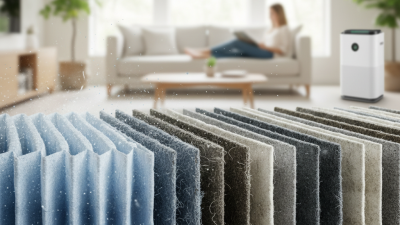
Sustainable air filtration plays a key role in reducing pollutants. It helps cleanse the air we breathe, making it safer for everyone. As cities grow, pollution levels rise. This harm can be mitigated with effective filtration systems. Sustainable methods focus on materials that reduce environmental impact. They use less energy and generate less waste.
Regular maintenance boosts the efficiency of air filtration systems. Clean filters trap more dust and allergens. Also, consider choosing filters made from natural, recyclable materials. This reduces the carbon footprint. However, many forget that not all filters are created equal. Standard options may still harm the planet.
Tip: Check your air quality regularly. Look for signs of dust or allergens. This helps identify the need for cleaning or replacement.
Tip: Educate yourself on local air quality programs. They often provide resources for sustainability initiatives. Small changes make a big impact over time. It's vital to choose wisely and stay informed.
Benefits of Implementing Sustainable Filtration in Urban Spaces
Urban spaces are often plagued by air pollution. Sustainable air filtration can significantly improve the air quality. By using natural materials and technologies, these systems reduce toxins. They also enhance the overall aesthetic of the environment. Imagine walking in a park with cleaner air and vibrant plants. This can boost the mental well-being of city dwellers.
Implementing sustainable filtration is not without challenges. Some systems require ongoing maintenance. This can be overlooked, leading to reduced effectiveness. Local governments may lack funding to support these projects. Still, communities can rally together to advocate for cleaner air. Education is key; residents need to understand the benefits of these systems. Small cafes and local businesses can act as leaders in this movement. They can showcase the positive impact on health and comfort.
Success stories from several cities show a promising path. However, not all attempts have been flawless. It's essential to learn from failures and adapt. Creating awareness can spark interest and investment. Sustainable air filtration systems require collective effort, but the rewards are immense. Cleaner air fosters healthier lives for all residents. Each step forward can inspire a broader movement towards sustainability.