Maximize Your Filter Efficiency with Middle Efficiency Filter Media Tips?
Efficient air filtration is crucial in various industries. Selecting the right materials plays a big role in achieving this. Middle Efficiency Filter Media stands out as an excellent choice, bridging the gap between basic and high-efficiency options. It offers a balanced combination of performance and value.
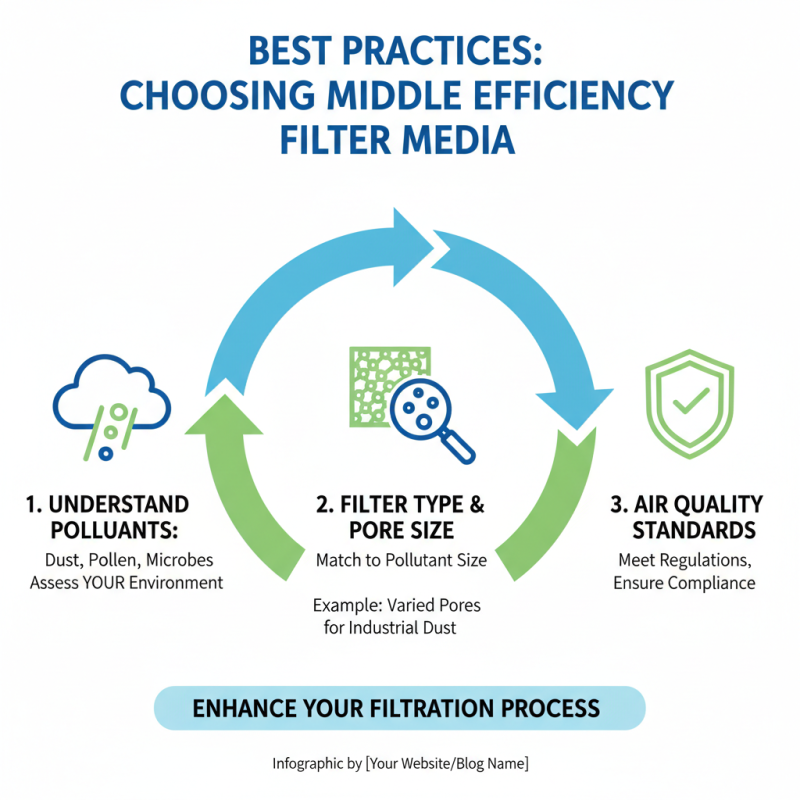
The efficiency of a filter depends on several factors. These include debris types, airflow rates, and environmental conditions. Understanding these elements ensures that you use Middle Efficiency Filter Media effectively. Practical experiences reveal that even slight adjustments can lead to significant improvements in filter performance.
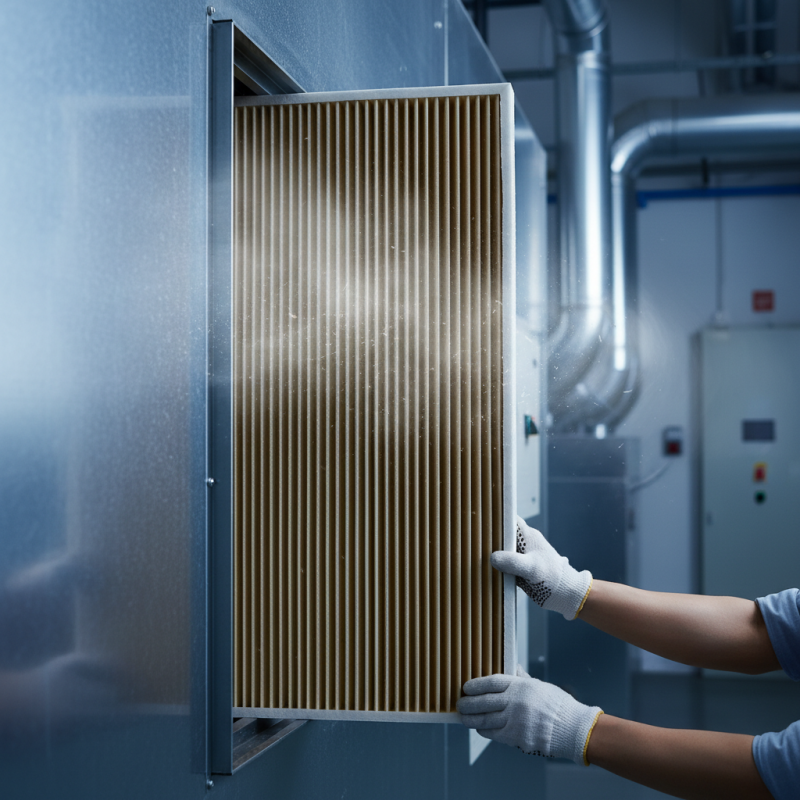
Many users underestimate the impact of maintenance. Regularly checking and replacing filters is vital. An often-overlooked detail is the filter's installation. Even the best media will fail if not installed properly. This requires careful attention and sometimes a bit of trial and error. Embracing these realities will help you maximize your filter efficiency effectively.
Understanding Middle Efficiency Filter Media: An Overview
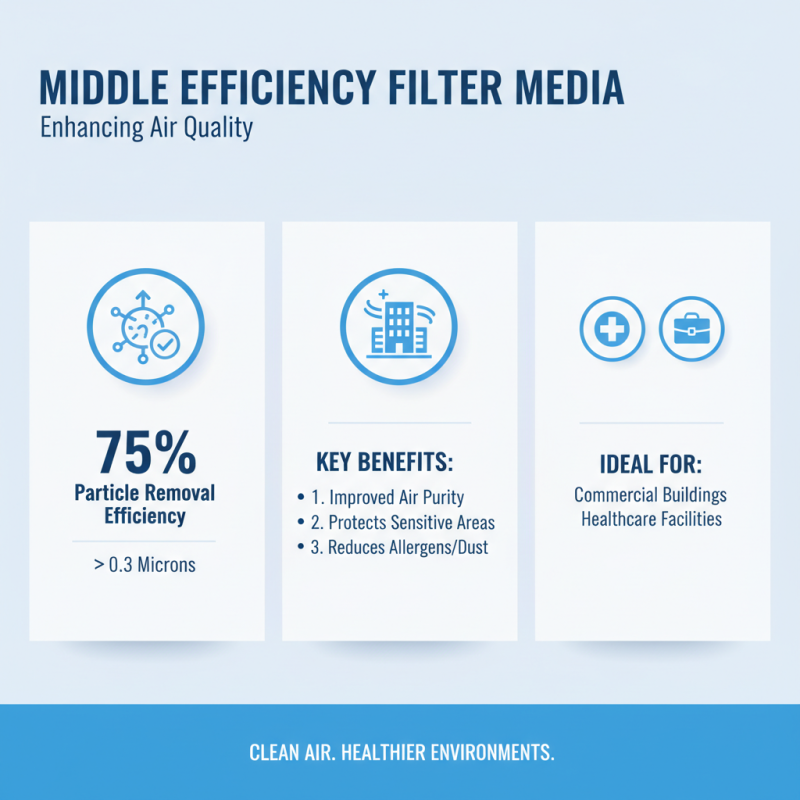
Middle efficiency filter media play a crucial role in enhancing air quality across various environments. These filters capture airborne particles, preventing them from entering sensitive areas. According to industry reports, they can remove up to 75% of particulates larger than 0.3 microns. This efficiency makes them ideal for commercial buildings and healthcare facilities where air purity is vital.
However, achieving optimal filter performance requires proper selection and maintenance. Not all middle efficiency filters are equal. Experts suggest monitoring pressure drops and replacing filters regularly. A study revealed that failing to change filters may lead to reduced airflow and increased energy costs by up to 15%. Maintaining clean filters ensures enhanced efficiency and contributes to lower operational expenses.
Despite their benefits, users should reflect on the limitations of middle efficiency filters. They may not capture the smallest particles or certain volatile organic compounds (VOCs). Organizations could benefit from combining these filters with higher efficiency options for comprehensive air quality management. Evaluating filter performance and understanding their capabilities is essential for creating effective air purification strategies.
Key Factors Influencing Filter Efficiency in Various Applications
Filter efficiency plays a vital role in various applications, such as HVAC systems, water treatment, and industrial processes. Understanding key factors can enhance performance. An industry report from the American Society of Heating, Refrigerating and Air-Conditioning Engineers (ASHRAE) states that filters can remove up to 99% of airborne particles. However, not all filters perform equally. Filter media composition significantly influences the efficiency.
The choice of filter media is critical. Electrostatic filters generate charges that attract particles, improving capture rates. A study by the National Institute of Standards and Technology (NIST) found that such filters can reduce particulate matter by 30%. Additionally, filter thickness affects airflow resistance. Filters that are too thick may restrict airflow, leading to system strain. Balancing thickness and efficiency is challenging yet essential.
Environmental conditions also impact filter performance. Humidity levels can affect the moisture retention of filter media, reducing efficacy. For instance, in high-humidity environments, filters may trap more water, decreasing their lifespan. A report by the Environmental Protection Agency (EPA) notes that filter maintenance is often overlooked. Regular checks are needed to ensure optimal performance.
Maintenance Tips to Enhance Filter Longevity and Performance
Maintaining filter longevity and performance begins with regular inspections. Inspect filter media for any visible damage. This check can prevent future efficiency losses. If you notice tears or excessive dirt buildup, it may be time for a replacement. Keeping a routine maintenance schedule can help catch these issues early.
Cleaning is equally important. Depending on your environment, filters can become dirty quickly. Use a gentle method to clean the filter media, avoiding harsh chemicals that might degrade it. Ensure the cleaning process removes dust and debris efficiently. Sometimes, over-cleaning can be just as harmful. Striking the right balance is key.
Finally, consider storage conditions for your filter media. Even the best filters need the right environment. High humidity or extreme temperatures can degrade materials. Store filters in a cool, dry place. This step helps maintain their effectiveness until they are ready for use. Paying attention to these details can significantly impact filter performance over time.
Common Mistakes to Avoid When Utilizing Filter Media
When utilizing filter media, avoiding common mistakes can enhance overall efficiency. One frequent error is neglecting regular maintenance. Dirty filters reduce airflow and increase energy costs. Schedule periodic checks and replacements to keep systems running smoothly. Change filters before they become too dirty.
Another mistake is overlooking compatibility. Choosing the wrong filter media can lead to inefficiencies. Ensure your filter fits the system’s specifications. Mismatched filters may cause leaks or insufficient filtration. Research materials and their effectiveness before making a selection.
Failing to monitor environmental conditions is also crucial. Factors like humidity and temperature affect filter performance. Regularly assess these conditions to adapt your filter choice accordingly. Ignoring these elements might hinder the filter's effectiveness, leading to subpar results. Adjusting for these variables can greatly improve filtration efficiency.