Improve Air Quality with Filters Effective Tips and Tricks?
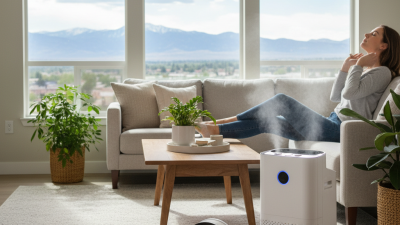
Improving air quality is a pressing concern for many households. With increasing pollution, people seek effective solutions. Luchtkwaliteit Verbeteren Filters play a crucial role in this process. Filters enhance indoor air quality by trapping pollutants and allergens.
Using the right filters can significantly reduce dust and harmful particles. However, many neglect regular maintenance. This can lead to less effective filtration. The type of filter used also matters. Some filters capture smaller particles than others. It's important to choose wisely for optimal results.
Implementing small changes in filter usage can yield noticeable benefits. Regularly replacing filters can prevent air quality deterioration. Yet, many find this task tedious. Understanding the mechanics behind filters can motivate better practices. Effective air quality management requires commitment and awareness.
Understanding Air Quality and Its Impact on Health
Air quality plays a critical role in our health. Poor air can lead to respiratory diseases, cardiovascular problems, and even cognitive decline. According to the World Health Organization, around 4.2 million deaths globally are linked to outdoor air pollution. This staggering figure highlights the urgent need to address air quality issues.
Children and the elderly are particularly vulnerable. Studies show that exposure to airborne pollutants can hinder lung development in children. The American Lung Association reports that even short-term exposure to polluted air can trigger asthma attacks. The effects can be immediate and severe, underscoring the importance of understanding air quality levels.
Improving air quality through filters is one practical approach. High-efficiency particulate air (HEPA) filters can remove 99.97% of particles. This includes allergens, dust, and smoke. But filters alone may not suffice. Regular maintenance and awareness of pollution sources are also necessary. Simple steps, such as reducing indoor smoking and using exhaust fans, can significantly enhance indoor air quality.
Types of Air Filters: Choosing the Right One for Your Needs
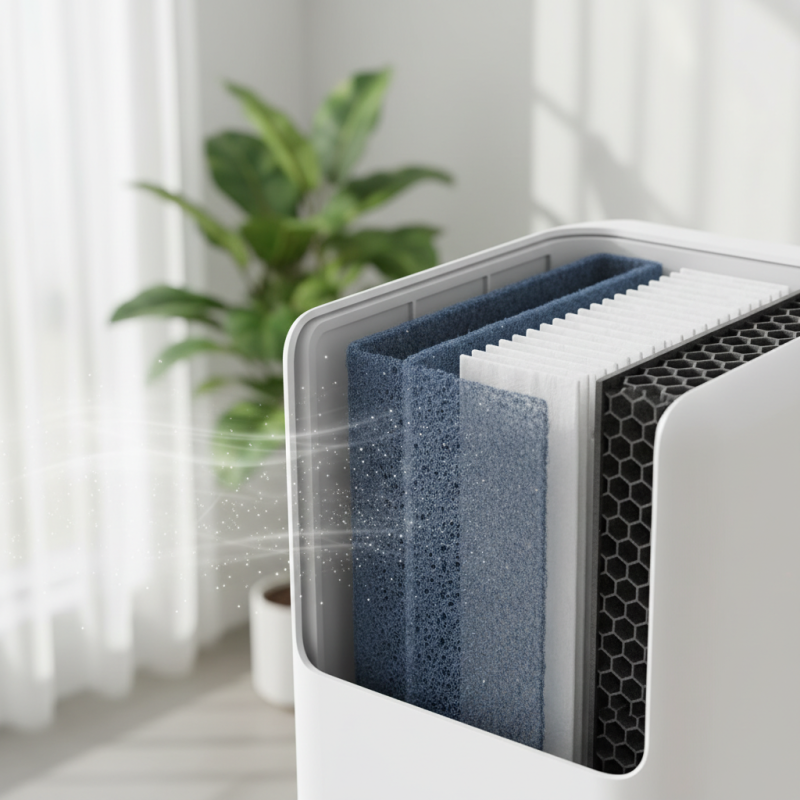
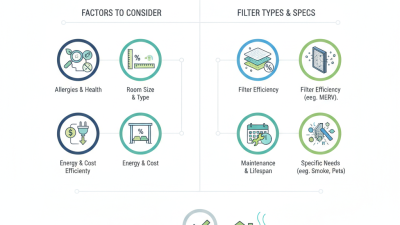
When selecting an air filter, understanding the types available is essential. High-Efficiency Particulate Air (HEPA) filters are renowned for their ability to capture 99.97% of particles down to 0.3 microns. This includes dust, pollen, and pet dander. According to the Environmental Protection Agency (EPA), indoor air can be up to five times more polluted than outdoor air. Choosing a HEPA filter can dramatically improve your home's air quality.
Activated carbon filters are another option. They excel at removing odors and volatile organic compounds (VOCs). Studies indicate that these filters can reduce indoor air pollutants significantly. However, they may not be as effective in filtering out particles like dust and mold. For comprehensive care, a dual filtration system can be worth considering. It's a balance between particle and gas purification.
Evaluating your specific needs is crucial. If allergies are a concern, a HEPA filter should be a priority. However, if you're dealing with strong odors, consider activated carbon filters. Remember, filter performance can diminish over time. Regular replacement is essential to maintain their effectiveness. Ignoring this may result in worsened air quality and potential health risks. Reflecting on your choices can lead to better decisions for a healthier living environment.
Air Quality Improvement: Effectiveness of Different Filter Types
Installation Tips for Optimal Air Filter Efficiency
Installing air filters correctly is crucial for improving indoor air quality. Studies show that proper installation can increase filter effectiveness by up to 50%. The right seal with no gaps helps trap more pollutants. Dust, pollen, and bacteria are common allergens that a well-placed filter can reduce significantly.
Choosing the correct size is vital. An ill-fitting filter may let contaminants pass through. A report by the Environmental Protection Agency found that nearly 30% of air leaks occur at the filter's edges. Measure your existing filter carefully before purchasing a replacement.
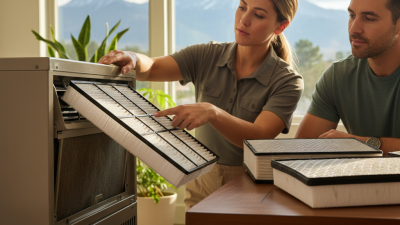
Changing filters regularly is another essential practice. A clogged filter can hinder airflow and strain your HVAC system. It’s recommended to check filters monthly, especially during allergy seasons. A dirty filter can circulate harmful particles back into your home. Think about these small actions as key steps toward a healthier space.
Maintaining Your Air Filters: Best Practices and Frequency
Maintaining air filters is essential for ensuring good air quality. Regular upkeep can greatly improve their effectiveness. Filters should be checked frequently for dirt and debris. You don’t want dust to build up and reduce airflow. Ideally, inspect filters every month. This keeps potential problems in check.
Cleaning frequency varies based on usage. In homes with pets or smokers, filters may need more frequent changes. Every one to two months is a good practice in such cases. If the air feels musty or dusty, it’s a sign that filters need attention. A simple visual check can help you assess their condition. Sometimes, filters may seem clean but still need replacement.
Remember, not all filters have the same lifespan. Some can last up to six months, while others may need to be replaced sooner. Keeping track can be tricky. A reminder system can help but be aware that it’s easy to forget. Each replacement is an opportunity to reflect and improve air quality.
Additional Strategies to Enhance Indoor Air Quality
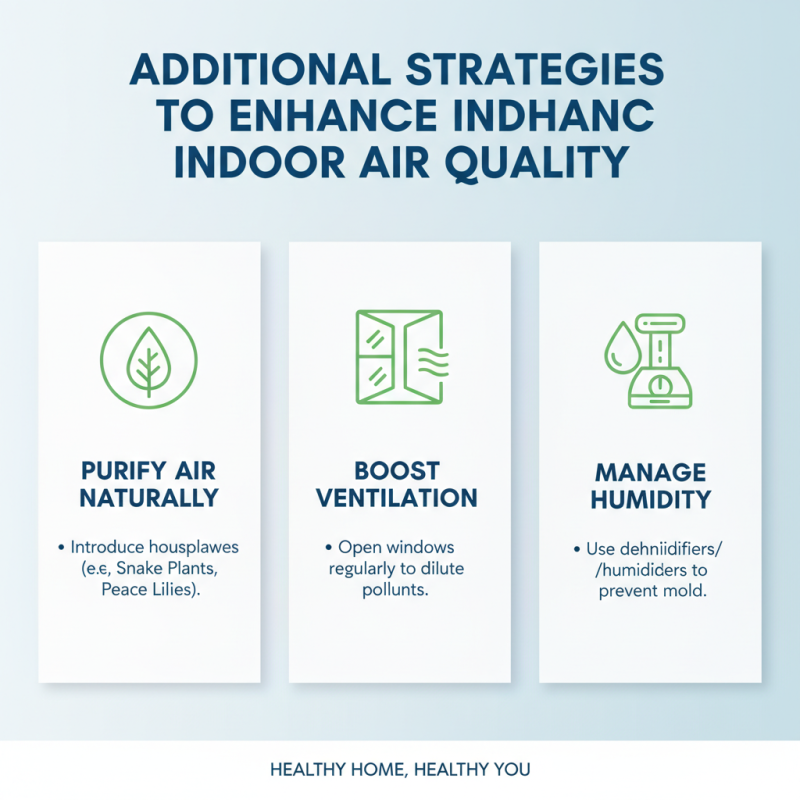
Improving indoor air quality is essential for your health. Beyond using filters, several strategies can help. Ensure proper ventilation by opening windows regularly. Fresh air can dilute indoor pollutants, making the environment healthier.
Houseplants are also excellent for air quality. Certain plants can absorb toxins. Choose low-maintenance varieties if you struggle with plant care. However, be cautious with overwatering. Excess moisture can lead to mold, which is counterproductive.
Regular cleaning is critical too. Dust and vacuum often to minimize allergens. Use a damp cloth for surfaces to avoid kicking up particles. Remember, high humidity levels can worsen air quality. A dehumidifier can help manage moisture. Consider checking humidity levels routinely. Addressing these factors will make your indoor spaces feel more breathable and inviting.