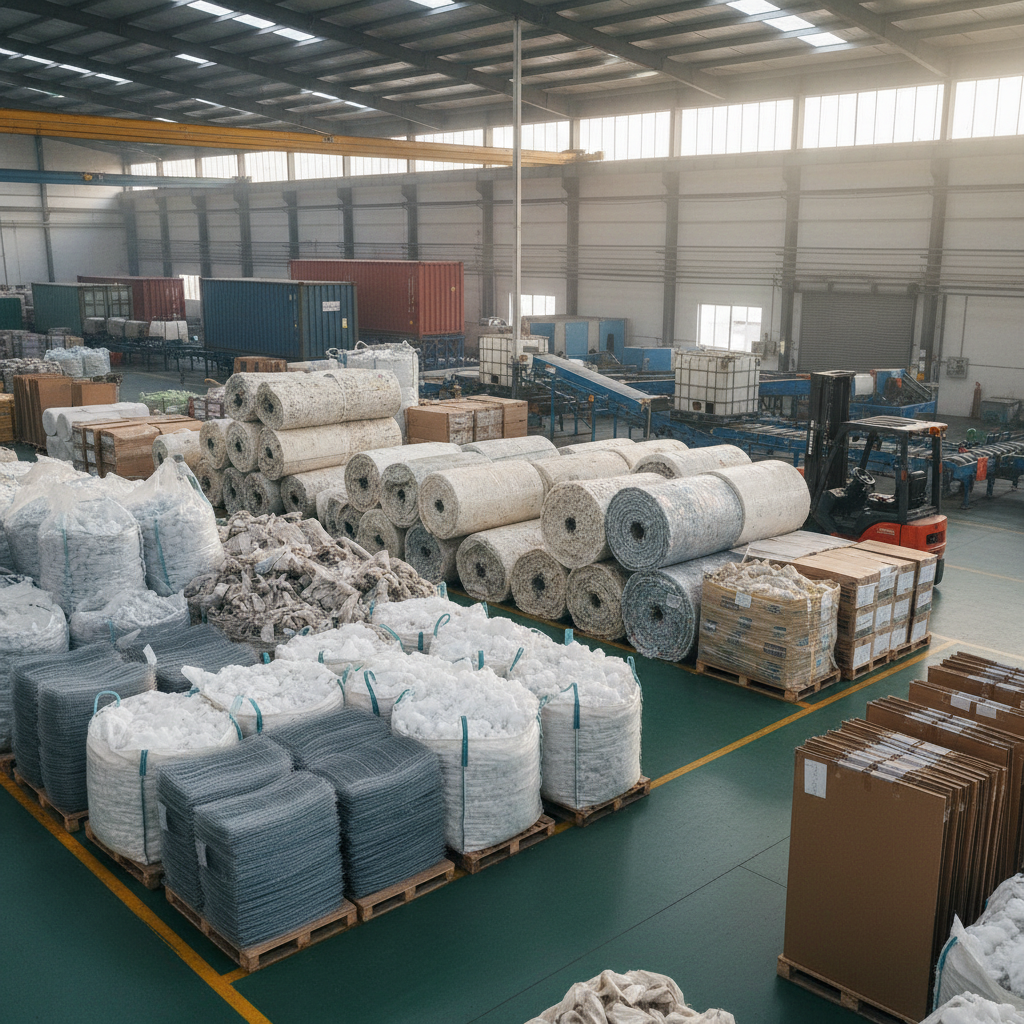
In the increasingly competitive landscape of the air filtration industry, sourcing wholesale primary air filter raw material efficiently has become a critical priority for manufacturers. Expert in the field and founder of EcoFilter Solutions, Dr. James Parker, emphasizes the importance of strategic sourcing by stating, "The quality and cost-effectiveness of your raw materials dictate the overall success of your air filtration products." With such insight, it is clear that navigating the complexities of supply chains and material quality can significantly impact a business's bottom line.
In this guide, we explore 10 essential tips to streamline the sourcing process, ensuring that manufacturers can access high-quality wholesale primary air filter raw material while optimizing cost and efficiency. Emphasizing practicality and industry-focused strategies, these tips will serve as invaluable resources for companies looking to improve their production processes and enhance their product offerings. As the demand for effective air filtration continues to rise, understanding how to effectively source raw materials will be instrumental in staying ahead of competitors and meeting consumer expectations in a dynamic market.
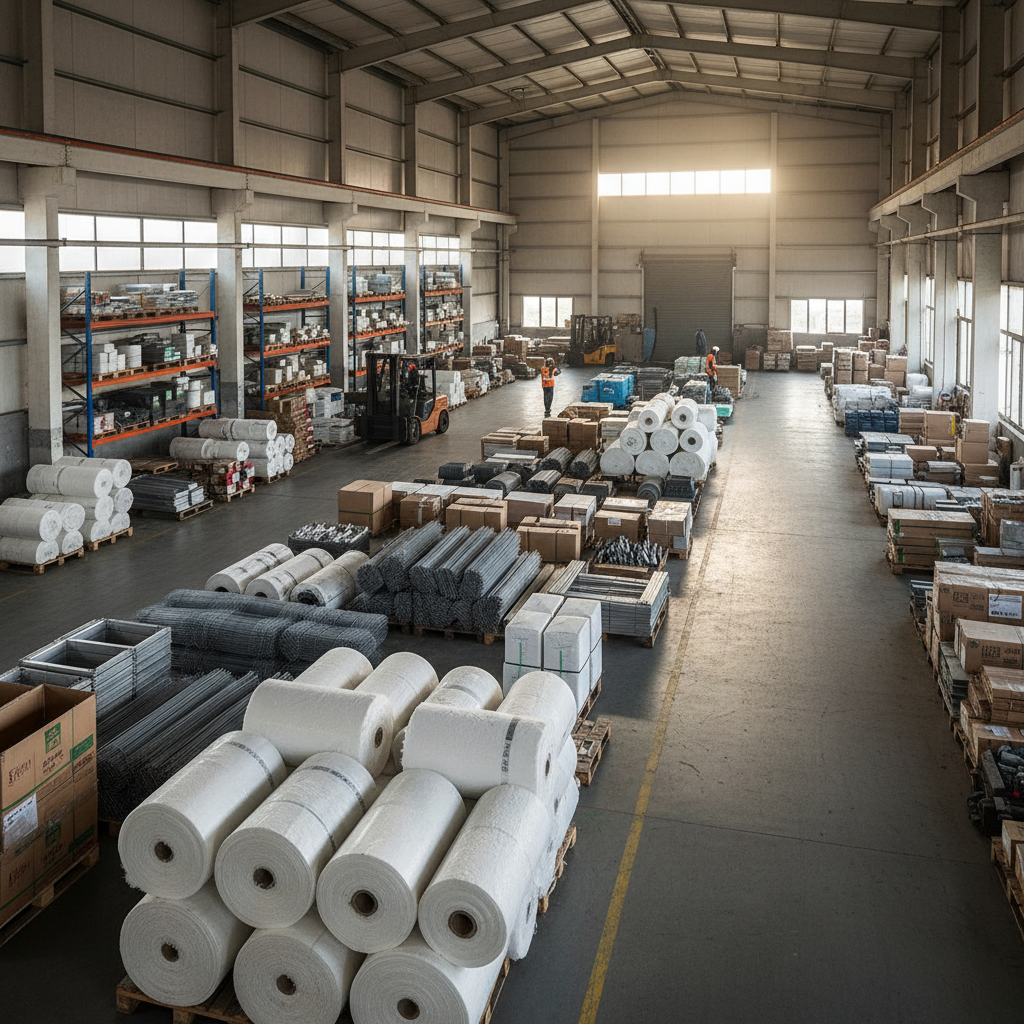
Identifying reliable suppliers for primary air filter raw materials is crucial for manufacturers aiming to maintain quality and efficiency in their production processes. One of the first steps in this process involves researching industry ratings, which provide valuable insights into the reputation and reliability of potential suppliers. Online platforms and trade associations often publish ratings and reviews, highlighting suppliers’ adherence to industry standards, product quality, and customer service. Engaging with these resources allows manufacturers to make informed decisions when selecting partners for their raw materials.
In addition to industry ratings, it's important to assess the supplier's track record in terms of delivery times and consistency in providing high-quality materials. Manufacturers should prioritize suppliers who demonstrate a history of meeting deadlines and maintaining quality assurance standards. Establishing direct communication with potential suppliers can also reveal their willingness to collaborate and respond to inquiries promptly, ensuring a smooth sourcing process. By combining thorough research with direct interactions, manufacturers can secure dependable sources for primary air filter raw materials, fostering long-term partnerships that support their operational goals.

When sourcing wholesale primary air filter raw materials, a comprehensive market analysis is crucial to evaluate the cost-effectiveness of your options. Understanding market trends, pricing fluctuations, and demand patterns can significantly impact the profitability of your sourcing strategy. Utilize tools like SWOT analysis to assess suppliers and materials against your specific needs, focusing on factors like durability, performance, and overall value.
Additionally, consider the following tips to enhance your sourcing process. First, develop strong relationships with multiple suppliers to ensure competitive pricing and secure the best materials available. Second, leverage technology by employing data analytics to track prices and supplier performance over time. Lastly, conduct regular audits of raw material costs to uncover inefficiencies and adjust your sourcing strategy accordingly. By implementing these tactics alongside a thorough market analysis, you can make informed decisions that drive down costs and elevate the quality of your final product.
The quality standards for raw materials used in primary air filters are critical to ensuring optimal performance and longevity. These standards encompass several key factors, including material composition, filtration efficiency, and durability, which directly influence the air filter's ability to capture contaminants and maintain airflow. High-quality raw materials, such as specialized synthetic fibers or high-grade cellulose, are often essential for producing filters that meet industry regulations and customer expectations. Understanding these specifications allows manufacturers to make informed decisions during the sourcing process, ensuring that their products are not only effective but also compliant with environmental and health standards.
Moreover, the impact of raw material quality cannot be underestimated when it comes to performance metrics such as particulate matter removal and airflow resistance. Filters constructed with subpar materials may demonstrate inadequate filtration capabilities, leading to decreased air quality and potential harm to both equipment and health. Therefore, sourcing partners must be thoroughly vetted for their ability to consistently provide materials that meet or exceed established quality benchmarks. In essence, prioritizing quality standards during the raw material sourcing process is paramount for manufacturers seeking to deliver reliable and efficient air filter products.
When sourcing wholesale primary air filter raw materials, leveraging bulk purchase discounts is key to optimizing sourcing costs. By negotiating larger orders with suppliers, businesses can access significant price breaks, which not only reduce material costs but also enhance the overall profit margins. It is essential for companies to assess the order quantities that would qualify for these discounts and plan their purchasing strategies accordingly. This approach not only fosters stronger relationships with suppliers but also encourages a leaner inventory management process.
In addition to direct cost savings, bulk purchasing also allows companies to ensure consistent supply and mitigates the risks associated with fluctuating prices. By committing to larger volumes, businesses can lock in favorable rates and protect themselves from market volatility. Moreover, engaging in bulk purchasing often opens doors to exclusive deals or incentives from suppliers, such as priority shipping or extra services that can further streamline the sourcing process. Therefore, integrating bulk purchasing strategies into the sourcing plan is an effective way to enhance efficiency and cost-effectiveness in acquiring air filter components.
In the air filter industry, effectively sourcing wholesale primary air filter raw materials is crucial for maintaining production efficiency and quality. Utilizing digital platforms is a game-changer in this process, as they streamline supplier management and provide access to a vast network of potential vendors.
One essential tip for efficient sourcing is to leverage online marketplaces and directories. These platforms offer a plethora of options for comparing prices, quality, and supplier ratings, enabling businesses to make informed decisions. Additionally, maintaining a clear set of criteria when evaluating suppliers can significantly enhance the selection process. Create a checklist that includes quality certifications, minimum order quantities, and delivery timelines to ensure that your chosen suppliers align with your operational needs.
Moreover, embracing technology like vendor management systems can help track supplier performance and order history systematically. This aids in identifying reliable partners and forecasting future needs based on past consumption trends. Staying proactive in communicating with suppliers through digital channels can also foster stronger relationships, leading to better terms and improved service. By integrating these strategies into your sourcing approach, you can enhance your operational efficiency in the air filter industry.
| Tip Number | Tip Description | Digital Platform | Benefits |
|---|---|---|---|
| 1 | Use dedicated supplier sourcing platforms. | Alibaba, Global Sources | Access to a wide range of suppliers. |
| 2 | Leverage supplier ratings and reviews. | ThomasNet, RatedSuppliers | Helps in selecting reliable partners. |
| 3 | Utilize digital negotiation tools. | B2B marketplaces | Facilitates better pricing strategies. |
| 4 | Participate in online trade shows. | Virtual Expo Platforms | Networking with potential suppliers. |
| 5 | Use automated procurement tools. | Procurement software | Streamlines the ordering process. |
| 6 | Conduct market research online. | Industry reports | Informs sourcing decisions. |
| 7 | Establish clear communication channels. | Dedicated communication apps | Reduces misunderstandings. |
| 8 | Track shipments with logistics software. | Supply chain management tools | Improves delivery reliability. |
| 9 | Implement quality control via digital tools. | Quality management systems | Ensures material compliance. |
| 10 | Maintain an updated supplier database. | Supplier relationship management tools | Facilitates quick sourcing decisions. |