10 Essential Tips for Choosing Wholesale High Efficiency Air Filter Paper?
Choosing the right wholesale high efficiency air filter paper is crucial for various applications. The quality of the filter paper directly impacts air quality and system performance. Many buyers overlook specific details that significantly affect results.
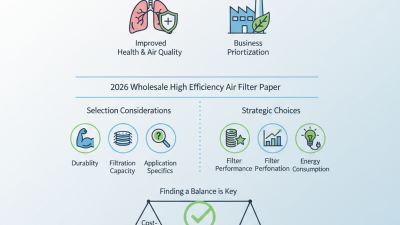
When selecting filter paper, consider material types. Some options may not offer the durability needed for long-term use. Additionally, the pore size is essential; it determines the effectiveness in trapping particles. Think about where you will use the paper. Different environments may require different specifications.
Lastly, price shouldn't be the only factor. While cost-effective options exist, they may sacrifice efficiency. Quality is key for maintaining healthy air standards. Sometimes, buyers spend less initially, then incur higher replacement costs. Reflecting on these aspects can lead to better purchasing decisions.
Understanding the Importance of High Efficiency Air Filter Paper
High efficiency air filter paper plays a crucial role in maintaining indoor air quality. It effectively traps dust, allergens, and pollutants. Without proper filtration, these harmful particles can circulate in the air we breathe. This increases the risk of respiratory issues and allergies. Choosing the right filter paper is essential for health and comfort.
When selecting high efficiency air filter paper, consider the material and thickness. Thicker papers often provide better filtration but may restrict airflow. This can lead to inefficiencies in air circulation. Sometimes, it’s a fine balance between filtration and airflow. It’s important to evaluate specific needs for your environment.
Quality matters greatly in air filtration. Not all filter papers are created equal. Some may not perform as expected, leading to a false sense of security. Research and reviews can help address these concerns. Understanding specifications can help ensure you choose wisely. Proper filtration systems deserve attention and careful consideration.
Air Filter Efficiency Comparison
Identifying Quality Standards for Air Filter Paper Materials
When selecting high efficiency air filter paper, quality standards matter immensely. Industry reports indicate that effective air filters need to meet specific particulate matter (PM) standards. For instance, a filter with a high Minimum Efficiency Reporting Value (MERV) rating, typically above 13, captures particles as small as 0.3 microns. Such effectiveness significantly impacts indoor air quality.
Material composition is another crucial factor. Professionals recommend filter papers made from synthetic fibers or high-grade cellulose. These materials not only optimize airflow but also enhance filtration efficiency. Reports show that filters constructed from these materials can last longer, providing consistent performance. However, not all manufacturers adhere to these standards, leading to inconsistencies.
Evaluating the durability is vital too. Some filter papers may become saturated quickly, leading to reduced effectiveness. Research highlights that filters can lose up to 30% efficiency after just a few months of use, if made from subpar materials. Therefore, it's essential to scrutinize product specifications thoroughly before making any purchases. This due diligence can prevent costly replacements and ensure cleaner air in the long run.
Evaluating Filtration Efficiency and Performance Metrics
When selecting wholesale high efficiency air filter paper, evaluating filtration efficiency is crucial. Look for performance metrics that indicate how well the paper can trap particles. Key indicators include particulate matter capture rates and airflow resistance. High-efficiency filters often use advanced materials, which can significantly enhance performance.
Another factor to consider is the filter media thickness. Thicker paper may provide better filtration but could also restrict airflow. Some filters balance these aspects quite well. It’s important to analyze the trade-offs between filtration efficiency and airflow. A filter that restricts airflow too much might not be practical for all applications.
Don’t overlook testing certifications. Filters that have undergone rigorous testing often display detailed performance data. This information can guide your decision-making process. Ultimately, understanding these metrics helps ensure you're choosing the right filter for your needs. Reflecting on your choices in this area can lead to better air quality outcomes.
Assessing Cost-Effectiveness and Supply Chain Options
When selecting wholesale high-efficiency air filter paper, evaluating cost-effectiveness and supply chain options is crucial. Start by analyzing the price per unit. A lower cost might seem attractive, but assess the quality as well. Cheap materials could lead to higher replacements and maintenance costs over time. Ask suppliers for samples. Testing these samples helps gauge real performance.
Next, consider your supply chain options. Reliable suppliers ensure consistent quality and timely deliveries. Investigate their inventory management practices. A vendor with effective logistics minimizes delays, keeping your operations smooth. Diversify your suppliers if possible. This strategy mitigates risks related to single-source dependencies. However, managing multiple relationships can be challenging, requiring effective organizational skills.
Finally, think about the long-term implications. While immediate savings are tempting, they shouldn't compromise performance. Plan for future needs and changes in regulations. Some suppliers may not have adaptable products for evolving standards. Investing in higher-quality solutions today can prevent costly adjustments later. Assessing these factors thoughtfully can significantly enhance your air filtration efficiency.
Considering Environmental Impact and Sustainability Practices
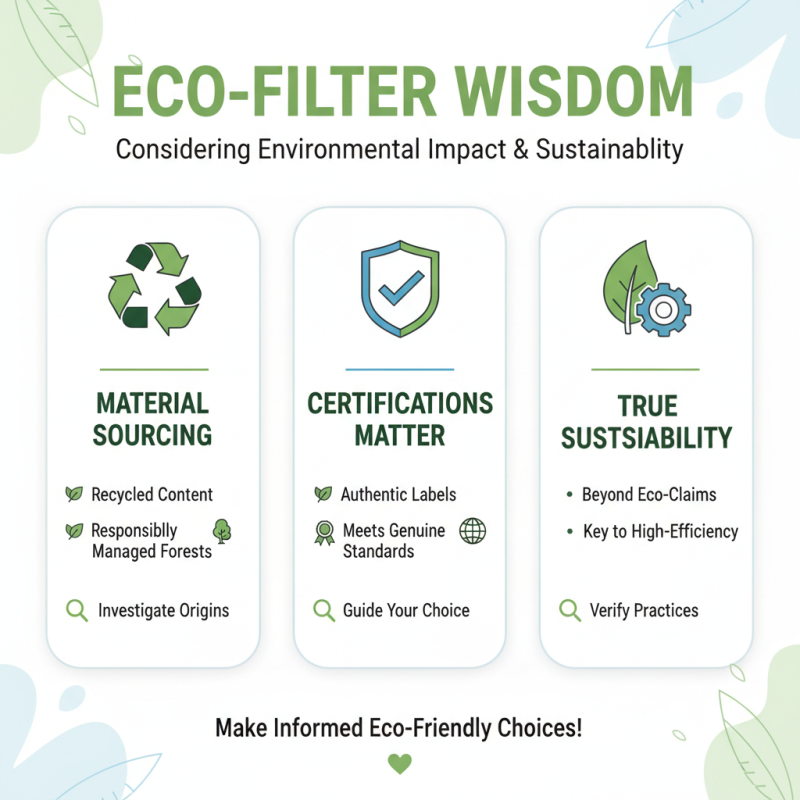
When considering high efficiency air filter paper, sustainability is key. Many manufacturers claim their products are eco-friendly, but not all meet genuine standards. Investigating the sourcing of materials is essential. Sustainable paper is often derived from recycled content or responsibly managed forests. Authentic certifications can guide your choices. Look for labels that indicate environmentally sound practices.
The production process of air filter paper also impacts the environment. High-efficiency materials may use chemical treatments, which can be harmful. It’s important to question these processes. Explore options that minimize or eliminate toxic substances. Not all filters are created equal. Some may seem efficient but might contribute to more waste in the long run. Consider longevity; long-lasting products reduce replacements, minimizing waste.
As we progress in eco-awareness, we need to challenge norms. Air quality improvement should align with environmental responsibility. Consumer choices shape markets. Embracing practices that favor sustainability could lead to better products. Aim for transparency, even if it requires deeper investigation. Flaws still exist in the system. Consciously pursuing better options can lead to a healthier planet. The journey to sustainability is ongoing.