10 Essential Tips for Choosing the Right HVAC Filter Fabric
Choosing the right HVAC filter fabric is crucial for system efficiency and indoor air quality. According to the American Lung Association, poor air quality can have detrimental health effects. Selecting the wrong filter material can lead to increased energy costs and lower system performance.
Industry expert Dr. Emily Hayes, a recognized authority in HVAC systems, states, “The choice of filter fabric can significantly impact both air quality and system longevity.” Many homeowners underestimate this aspect. In reality, a suitable HVAC filter fabric not only traps pollutants but also extends the lifespan of the HVAC system.
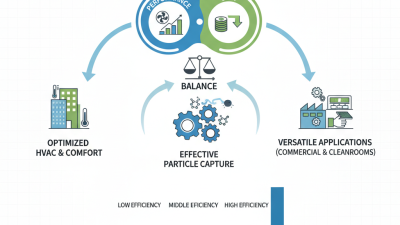
Research shows that filters with higher MERV ratings capture more particles but can also restrict airflow if not chosen wisely. This balance between effectiveness and airflow is often overlooked. Some users have reported discomfort or increased energy bills due to improper selections. This emphasizes the need for careful consideration when choosing HVAC filter fabric to ensure optimal performance and health benefits.
Understanding the Types of HVAC Filters and Their Efficiency Ratings
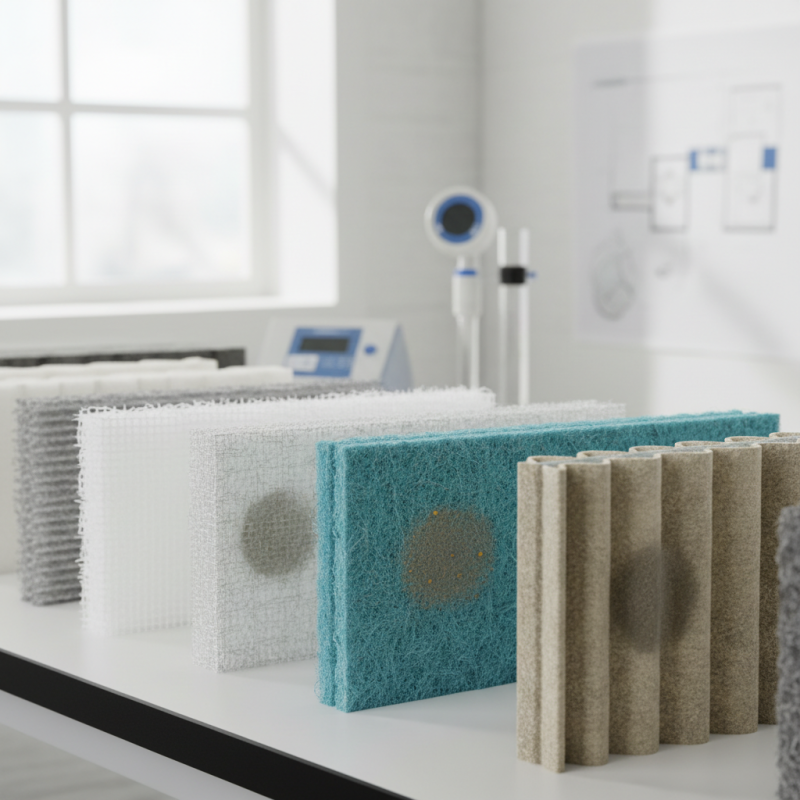
When selecting the right HVAC filter, it's crucial to understand the types available. The main categories include fiberglass, pleated, electrostatic, and HEPA filters. Fiberglass filters are inexpensive but may not capture smaller particles effectively. They are suitable for basic dust and debris. Pleated filters offer more surface area, enhancing their ability to trap allergens and particles.
Efficiency ratings are equally important. The Minimum Efficiency Reporting Value (MERV) scale ranks filters based on their particle capturing ability. A MERV rating between 1 and 4 is standard for basic filtration. Higher ratings, from 5 to 13, indicate better efficiency, suitable for residential use. Filters with ratings above 13 provide hospital-grade filtration but can restrict airflow in some systems.
Choosing the appropriate filter requires careful consideration. Some homeowners overlook the importance of their system's specifications. Underestimating the impact of filter efficiency can lead to higher energy costs. Proper maintenance also plays a vital role; filters need regular changes to maintain their effectiveness. The wrong choice can create more problems than it solves, leading to a less efficient HVAC system.
Key Factors Influencing HVAC Filter Selection, Including MERV Ratings
When selecting HVAC filter fabric, understanding key factors is essential. One critical aspect is the MERV rating. This rating measures the filter's efficiency in capturing airborne particles. Higher MERV ratings often mean better filtration. However, they might also restrict airflow. Balancing air quality and system efficiency is vital.
Pay attention to the type of particles you need to filter. Some filters target dust and pollen, while others address finer particles like smoke or bacteria. Consider your home’s needs. If someone in your family has allergies, a higher-rated filter can make a difference. Yet, not every system can handle the higher resistance of these filters.
Another important tip is to check the filter size and compatibility. Filters come in various dimensions. Ensure you choose one that fits your HVAC system properly. An ill-fitting filter can lead to leaks and poor performance. And remember to monitor your filter regularly. A clogged filter won't work efficiently. Replacing it on schedule keeps your system running smoothly and improves air quality.
The Role of Filter Material in Air Quality and System Performance
Choosing the right HVAC filter fabric is crucial for maintaining air quality and ensuring system performance. Studies show that up to 40% of energy consumption in buildings is linked to heating and cooling systems. A significant part of this energy use is affected by filter efficiency. Filters made from high-quality materials can capture up to 95% of airborne particles. However, selecting a filter without understanding its material can lead to indoor air quality (IAQ) issues.
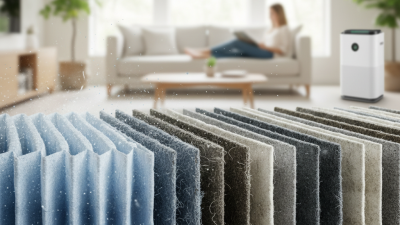
The filter material plays a vital role in trapping pollutants. For instance, fiberglass filters capture only larger particles, while pleated filters can trap smaller ones, including dust mites and pollen. A report by the American Society of Heating, Refrigerating and Air-Conditioning Engineers (ASHRAE) indicates that poor filter selection could allow up to 62% of mold spores to circulate. This can eventually harm both health and HVAC efficiency. You might think you saved money with a cheaper filter, but the long-term costs of poor air quality could be substantial.
Different environments require different filters. In spaces with pets or smokers, higher-rated filters may be necessary. Yet, many overlook maintenance and replace them too infrequently, leading to airflow problems. According to the Environmental Protection Agency (EPA), regularly changing filters can lead to energy savings of 15% to 20%. Making the right choice in filter fabric not only protects your system but significantly enhances the quality of air you breathe daily.
Cost-Benefit Analysis of Various HVAC Filter Options for Homeowners
Choosing the right HVAC filter involves a careful cost-benefit analysis. Homeowners often overlook this essential component. According to a recent industry report, filters can vary significantly in price and efficiency. Basic fiberglass filters cost around $2 to $5 per unit, while high-efficiency particulate air (HEPA) filters can range from $20 to $60. However, the initial price doesn't tell the whole story.
Consider filtration efficiency and lifespan. Standard filters capture only about 20% of airborne particles. In contrast, HEPA filters can trap up to 99.97% of particles as small as 0.3 microns. Investing in HEPA filters may seem expensive upfront, but their efficiency leads to better air quality. Homeowners might notice fewer allergy symptoms when using a higher-end filter.
Another factor is energy savings. Filters that are too clogged can force HVAC systems to work harder. A report from the U.S. Department of Energy indicates that this can increase energy bills by up to 15%. Regularly changing or upgrading filters can mitigate these costs. Homeowners must weigh initial expenses against long-term savings. Often, it's easy to overlook these details while focusing solely on price. Balancing cost with performance is paramount.
10 Essential Tips for Choosing the Right HVAC Filter Fabric - Cost-Benefit Analysis of Various HVAC Filter Options for Homeowners
| Filter Type |
MERV Rating |
Particle Size Captured (microns) |
Cost per Filter |
Lifespan (Months) |
Maintenance Frequency |
| Fiberglass |
1-4 |
>10 |
$2 |
1-3 |
Monthly |
| Washable |
6-8 |
1-3 |
$30 |
5-10 |
Quarterly |
| Pleated |
5-8 |
3-10 |
$10 |
3-6 |
Monthly |
| HEPA |
13-16 |
0.3-10 |
$40 |
6-12 |
Every 6 Months |
| Activated Carbon |
8-11 |
>10 |
$25 |
3-6 |
Every 3 Months |
Maintenance Tips for Maximizing the Lifespan of Your HVAC Filters
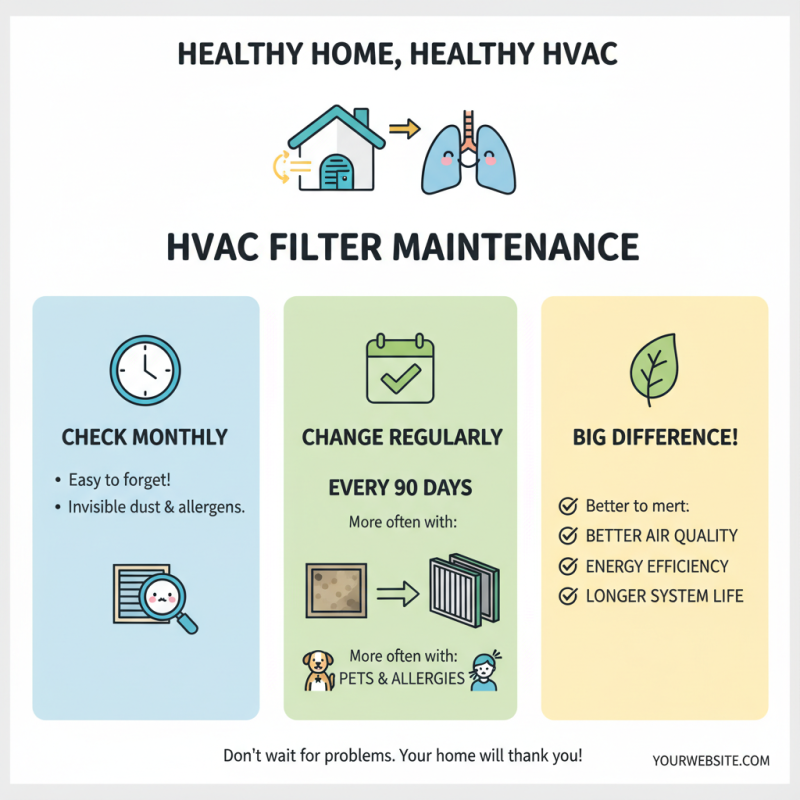
Maintaining your HVAC filters is crucial for a healthy home environment. Regular checks can make a difference. It’s easy to forget about them until problems arise. Aim to inspect your filters monthly. Even if they look clean, they could still be clogged with dust and allergens. Change them every 90 days, or sooner if you have pets or allergies.
Consider cleaning reusable filters properly. A simple rinse under water may not be enough. Use a gentle brush or vacuum to dislodge stubborn debris. Dry them thoroughly before reinserting. Keep an eye on filter performance. If airflow seems diminished, it’s time for a change. Neglect can lead to system strain and higher energy bills.
Remember to keep your HVAC area clean and unobstructed. Dust and debris from around the unit can affect filter efficiency. Tight spaces should not be ignored. Sometimes, filters remain unchanged well past their prime. That’s a common mistake. Regular maintenance saves money and keeps your air quality fresh. Stay vigilant, and be proactive in your care.