How to Choose Cheap Plate Primary Efficiency Medium Filters for Your Needs
When it comes to ensuring optimal air quality in various environments, selecting the right filtration solution is paramount. The "Cheap Plate Primary Efficiency Medium Filter" emerges as a practical option for individuals and businesses seeking cost-effective yet efficient air filtration systems. These filters are designed to cater to a range of applications, balancing affordability with adequate filtration capabilities to meet basic air quality needs.
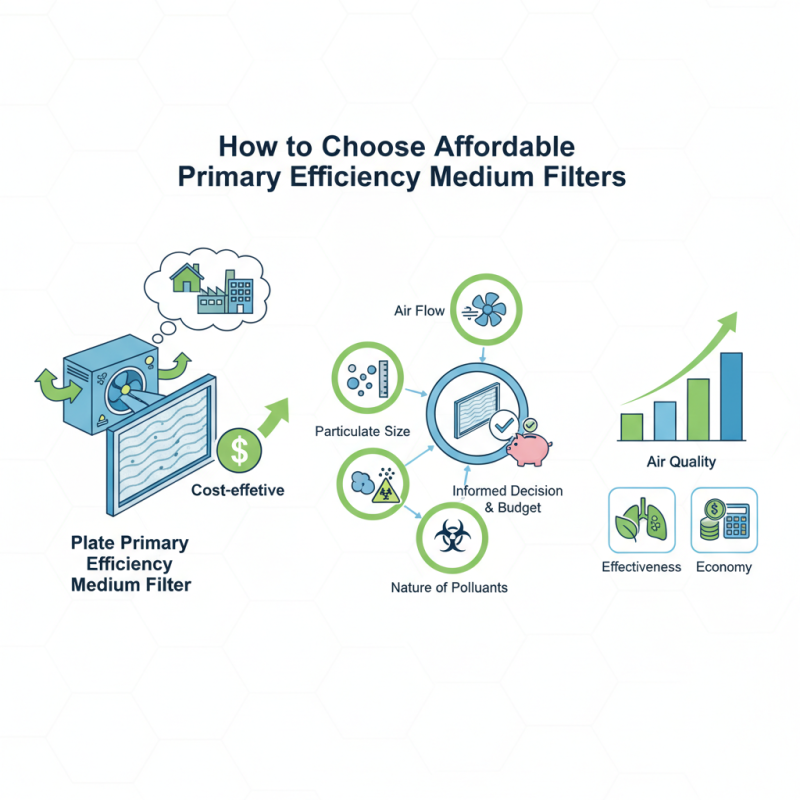
In navigating the myriad options available in the market, it’s important to understand the specific requirements of your environment. By considering factors such as air flow, particulate size, and the nature of pollutants present, users can make informed decisions that not only enhance air quality but also fit within budget constraints. This guide will delve into essential tips and considerations for choosing the right Cheap Plate Primary Efficiency Medium Filter that aligns with your needs, ensuring both effectiveness and economy in your air filtration strategy.
Understanding Plate Primary Efficiency Medium Filters
When selecting plate primary efficiency medium filters, it is essential to understand their function and efficiency ratings. These filters are designed to capture airborne particles, ensuring cleaner air in various environments. According to industry reports, filters with a minimum efficiency reporting value (MERV) of 8 to 13 are considered effective for most residential and commercial applications, striking a balance between cost and performance.
To assess your needs effectively, consider the specific environment in which the filter will be used. For example, if you live in an area with high pollen counts or dust, investing in a medium filter with a higher MERV rating will provide better air quality. The American Society of Heating, Refrigerating and Air-Conditioning Engineers (ASHRAE) recommends that HVAC systems use filters that can efficiently capture contaminants without overly straining the system, maximizing both filter life and airflow.
Tip: Regularly replacing filters can significantly improve their efficiency. Most filters should be changed every 1 to 3 months, depending on usage and environmental conditions. Investing in a more efficient filter may have higher upfront costs but can lead to savings on energy bills due to improved system efficiency.
Tip: Always check compatibility with your existing HVAC system. Some systems may require specific filter sizes or types, so measuring your unit can prevent compatibility issues and ensure optimal filtration performance.
Key Features to Consider When Selecting Filters
When selecting inexpensive plate primary efficiency medium filters, it's essential to understand the key features that can significantly impact their performance and suitability for your specific needs. One critical factor to examine is the filter's MERV rating, which indicates its ability to capture airborne particles. Higher MERV ratings generally mean better filtration efficiency, but it’s important to balance that with your HVAC system's requirements, as some systems may not operate effectively with higher-rated filters.
Another vital aspect is the filter’s size and compatibility with your existing setup. Ensuring a proper fit is crucial, as gaps can lead to air bypassing the filter, reducing its effectiveness. Additionally, consider the filter's lifespan and maintenance requirements. Some filters may need to be replaced more frequently than others, affecting long-term costs. The material composition of the filter also plays a significant role; options like pleated filters often offer better filtration efficiency compared to non-pleated types, so be sure to assess what material best suits your environment and budget.
Cost Efficiency of Medium Efficiency Filters
Comparative Analysis of Cost-Effective Options
When it comes to selecting cost-effective plate primary efficiency medium filters, a comparative analysis can significantly aid in making informed choices. Start by assessing the performance characteristics of different filter options. Look for filters that offer a balanced blend of efficiency and affordability. Key factors to consider include the filtration capacity, durability, and maintenance requirements. Staying within your budget while ensuring quality filtering performance is essential, hence prioritize options that provide long-term cost savings.
Tips: Always check product specifications and compare them side by side. This helps in identifying which filters meet your efficiency needs without overspending. Additionally, consider the longevity of the filters. Sometimes spending a little extra on a more durable option can save money in the long run through reduced replacement frequency.
Moreover, it's beneficial to analyze user reviews and testimonials. Real-life experiences can offer insight into the actual performance of various filter options under different conditions. This qualitative data can sometimes reveal hidden benefits or downsides that specifications alone might not highlight. By weighing both technical data and user feedback, you can more confidently choose a filter that aligns with your needs and budget.
Evaluating Performance Metrics for Your Application
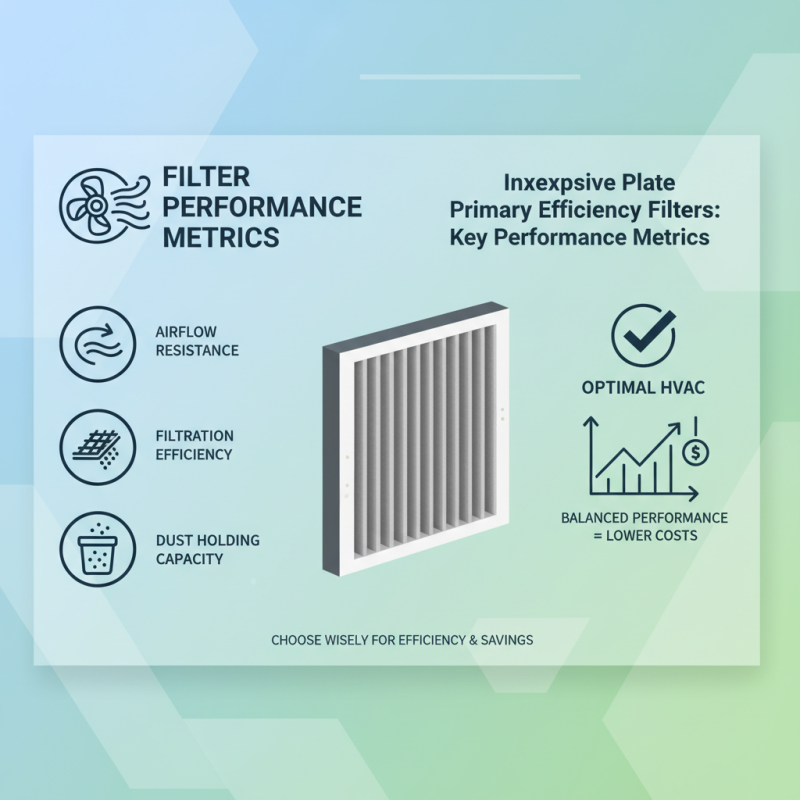
When evaluating performance metrics for choosing cheap plate primary efficiency medium filters, it is crucial to focus on specific criteria that align with your application needs. Key performance indicators, such as airflow resistance, filtration efficiency, and dust holding capacity, should be examined closely. Airflow resistance affects the overall efficiency of the HVAC system; a filter that is too restrictive can lead to increased operational costs. Therefore, selecting a filter with a balanced airflow resistance ensures that system performance remains optimal while achieving desired air quality.
Additionally, filtration efficiency, often measured in terms of particle size and type removed, must be tailored to the specific contaminants present in your environment. High-efficiency particulate air (HEPA) filters may not be necessary for all applications; instead, assessing the particle size distribution and concentration of pollutants will guide you in selecting an appropriate filter grade. Lastly, the dust holding capacity indicates how much particulate matter a filter can accumulate before it needs replacement. A filter with a higher dust holding capacity can minimize maintenance frequency, ultimately providing cost savings while maintaining efficiency.
Tips for Maintenance and Replacement to Extend Filter Life
Maintaining and replacing your medium filters is crucial for ensuring optimal performance and longevity. Regular inspection should be part of your maintenance routine; look for any signs of wear, such as discoloration or dust buildup, which can hinder airflow and decrease efficiency. Establish a replacement schedule based on usage and environmental conditions—filters in dusty locations may need to be changed more frequently. Keeping a log of replacement times can help you stay on track and avoid performance issues.
In addition to scheduling regular replacements, clean the filters as recommended. This could involve gently shaking them to remove loose dirt or using a vacuum for deeper cleaning. Ensure that the filters are installed correctly to prevent any gaps that could allow unfiltered air to pass through. Utilizing high-efficiency particulate air (HEPA) cleaning options during maintenance can also significantly enhance the filter's capability to capture fine particles, thereby extending its lifespan. Regular upkeep not only maximizes efficiency but also saves costs in the long run by reducing the need for frequent replacements.