How to Choose the Best HVAC Filter Fabric for Your Needs?
Choosing the right HVAC filter fabric is crucial for your indoor air quality. Your choice can directly affect the performance of your HVAC system. With numerous options available, navigating through them can be overwhelming.
Different HVAC filter fabrics come with unique benefits and drawbacks. Some fabrics capture larger particles effectively while others focus on finer pollutants. Understanding what you need is essential. Do you often battle allergens, or is dust your primary concern?
Evaluating HVAC filter fabric requires some research and thought. Not all filters are created equal. You may even find that a less popular choice suits your needs better than mainstream options. Each fabric type has its own merits and limitations, so weighing these aspects is essential for a good decision.
Understanding HVAC Filter Fabric: Types and Applications
HVAC filter fabrics are essential for maintaining indoor air quality. Understanding the various types and applications can help you choose the right option for your system. Common types include fiberglass, pleated, and electrostatic filters. Each offers unique benefits depending on your specific needs and environment. According to the American Society of Heating, Refrigerating and Air-Conditioning Engineers (ASHRAE), proper filtration can significantly reduce airborne particles, enhancing comfort and health.
When selecting HVAC filter fabric, consider airflow resistance. Filters with higher resistance can restrict air movement, leading to decreased efficiency. A study by the U.S. Department of Energy emphasizes that filters should balance filtration effectiveness with airflow. Fiberglass filters are less expensive but may not capture smaller particles effectively. In contrast, pleated and electrostatic filters can trap more pollutants, making them a better choice for allergy sufferers.
Choosing the right HVAC filter fabric requires careful consideration of various factors. Evaluate your indoor air quality needs and the specific contaminants present. Think about the filter replacement frequency and maintenance requirements. A filter with a high MERV rating may provide better filtration but could also increase energy costs. Each choice comes with trade-offs. Prioritize what matters most in your environment.
Key Factors in Selecting the Right HVAC Filter Fabric
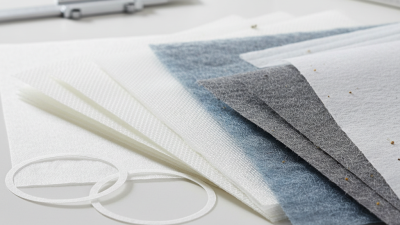
When selecting HVAC filter fabric, several key factors come into play. First, consider the material. Different fabrics offer varying levels of filtration efficiency. For example, synthetic fibers can trap smaller particles, while natural fibers may allow more airflow. Balancing these factors is crucial for optimal performance.
Another essential element is the filter's MERV rating. This rating indicates the filter's ability to capture airborne particles. Higher MERV ratings mean finer filtration, but they can also restrict airflow. This can lead to increased energy consumption and strain on your HVAC system. It's important to choose a filter that meets your air quality needs without compromising system performance.
Additionally, consider the maintenance level required. Some filters need frequent changing, while others can last longer. Frequent replacements can be a hassle and costly. Weighing the benefits and drawbacks of each option is vital. Finding the right HVAC filter fabric may require some trial and reflection, as each system and environment is unique.
Evaluating MERV Ratings: Impact on Air Quality and Energy Efficiency
When selecting an HVAC filter fabric, MERV ratings play a vital role in air quality and energy efficiency. The Minimum Efficiency Reporting Value (MERV) system ranges from 1 to 20, with higher numbers indicating a greater ability to capture airborne particles. For example, filters with a MERV rating of 8 to 13 can trap pollen, dust mites, and mold spores effectively. The Environmental Protection Agency states that improved air quality can lead to increased productivity and overall health benefits.
Filters rated between 1 and 4, while more efficient for airflow, fail to capture smaller particles. In contrast, MERV 14 and higher filters can capture fine particles, including bacteria and smoke. A recent study showed that using higher-rated filters could reduce respiratory issues by up to 35%. While they may be more expensive, the long-term health benefits often outweigh the initial costs.
Consider maintaining your HVAC system regularly to ensure optimal performance. Change or clean your filters every 1 to 3 months, depending on usage. Always check your HVAC system’s compatibility with high-MERV filters. Some systems may not handle them effectively, leading to increased energy costs or equipment damage. Being aware of your specific needs and the environment can help you choose correctly.
How to Choose the Best HVAC Filter Fabric for Your Needs? - Evaluating MERV Ratings: Impact on Air Quality and Energy Efficiency
| MERV Rating |
Particle Size (microns) |
Filtering Efficiency (%) |
Recommended Usage |
Impact on Energy Usage |
| 1 - 4 |
>10 |
<20 |
Minimal filtration; basic household use. |
Low impact |
| 5 - 8 |
3 - 10 |
20 - 70 |
Residential homes with pets. |
Moderate impact |
| 9 - 12 |
1 - 3 |
70 - 90 |
Doctors offices and high traffic areas. |
Higher impact |
| 13 - 16 |
0.3 - 1 |
90 - 98 |
Hospitals and critical environments. |
Significant impact |
Cost vs. Performance: Finding the Ideal Balance in Filter Selection
Choosing the right HVAC filter fabric requires a careful balance between cost and performance. A study by the American Society of Heating, Refrigerating and Air-Conditioning Engineers (ASHRAE) indicates that high-efficiency filters can reduce energy consumption by up to 15%. However, these filters often come at a premium price. Homeowners must assess how much they are willing to spend while considering long-term savings via energy efficiency.
It’s important to consider MERV ratings when selecting filters. Filters with MERV ratings from 8 to 13 are effective at trapping contaminants without imposing excessive airflow resistance. This balance can lead to optimal performance and energy savings. Yet, many people overlook the importance of changing filters regularly. Neglect can cause inefficiency, leading to increased utility bills.
Inadequate filtration may also pose health risks. According to the Environmental Protection Agency, poor indoor air quality can lead to respiratory issues. Filters should not only fit budgets but also ensure clean air. Homeowners often face the dilemma of choosing between inexpensive filters that need replacing often and costly ones that provide optimal air quality. The challenge lies in finding what truly fits the specific HVAC needs without compromising air safety or incurring unnecessary expenses.
HVAC Filter Performance vs. Cost
Maintenance and Lifespan of HVAC Filter Fabrics for Optimal Efficiency
Choosing the right HVAC filter fabric is crucial for maintaining air quality. The fabric’s efficiency directly affects how clean the air remains. Regular maintenance can extend the life of these filters. Clogged filters hinder airflow and decrease system efficiency. A dirty filter can lead to increased energy costs.
Inspect your filters regularly. Look for dust buildup or rips in the fabric. Replacing filters as needed is essential for system performance. Many homeowners overlook this step, thinking it is unimportant. Neglecting filter maintenance can cause bigger issues, like system breakdowns.
Lifespan varies by fabric type and usage. Some filters last longer than others. Always check the manufacturer's guidelines. Practical experience shows that environments with pets or high dust levels require frequent changes. Maintaining an HVAC system involves ongoing adjustments and reflections on what works best. There is no one-size-fits-all solution.