How to Choose the Best Air Filters in Denver CO?
Choosing the right air filters in Denver, CO, can be overwhelming. The air quality here often fluctuates due to the region's unique climate. Local expert Sarah Thompson, a renowned HVAC specialist, states, "Selecting the right air filter is crucial for maintaining indoor air quality." This highlights the importance of making informed choices.
When it comes to Air Filters Denver CO, it's about more than just price. You need to consider MERV ratings, filter types, and the specific needs of your household. High-efficiency filters trap smaller particles, but they can impact airflow. It's a balancing act between filtration efficiency and system compatibility.
Many homeowners forget to check their filters regularly. Overlooking this can lead to higher energy costs and allergens in the air. There’s a need for ongoing education about filter maintenance. With the right information, you can make smarter decisions for your home’s air quality.
Understanding Air Quality Needs in Denver, CO
Denver’s air quality varies greatly, influenced by altitude, weather, and local pollution sources. Particulate matter and allergens can affect residents' health. Therefore, understanding these factors is crucial for choosing the right air filters.
The city’s dry climate can exacerbate dust and pollen levels. Many residents suffer from allergies, especially in spring and summer. Choosing filters that can capture small particles is essential. Regular maintenance of filters is also important; dirty filters can worsen indoor air quality.
Moreover, some homeowners underestimate the impact of indoor air pollution. Airborne chemicals from household products can contribute to poor air quality. Using filters designed for specific pollutants might be necessary. People often overlook the importance of fresh air. Opening windows occasionally can help, but it’s not always practical due to outdoor conditions.
Types of Air Filters Available for Home Use
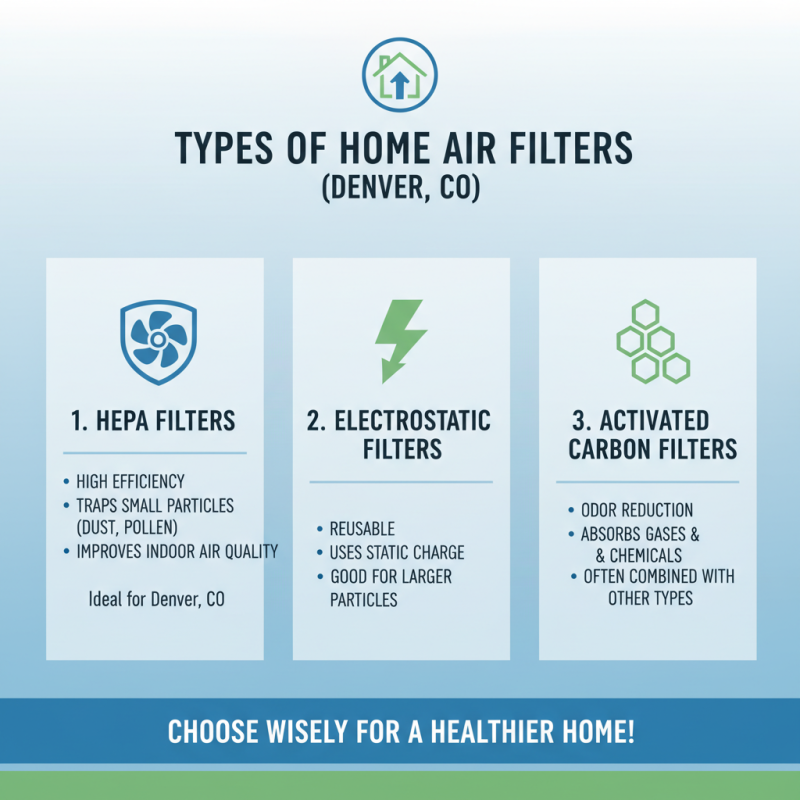
When choosing air filters for home use in Denver, CO, understanding the types available is essential. Several options suit various needs. HEPA filters are popular due to their high efficiency in trapping small particles like dust and pollen. They can significantly improve indoor air quality.
Another common type is activated carbon filters. These filters excel at removing odors and harmful gases. They may not capture dust as effectively as HEPA filters but play a crucial role in creating a pleasant environment. Fiberglass filters are another choice, often lower in cost, but they might not filter out as many pollutants.
**Tips:** Changing your filters regularly is vital for optimal performance. A dirty filter can hinder airflow and reduce efficiency. Make sure to consider the MERV rating when choosing filters. Higher ratings can trap more particles but might require more frequent replacement. Finally, evaluate your specific air quality needs to select the best filter type for your home.
Factors to Consider When Selecting Air Filters
When selecting air filters in Denver, several factors can greatly influence your decision. The local environment, characterized by high elevations and dry air, necessitates filters that can effectively capture dust, pollen, and other particulates. According to the Environmental Protection Agency (EPA), air quality can be significantly impacted by particulate matter. Thus, choosing a filter with a Minimum Efficiency Reporting Value (MERV) of 8 or higher is advisable for optimal indoor air quality.
Another crucial aspect is the filter’s lifespan and maintenance requirements. Some filters require frequent replacement, while others can last longer. Data shows that pleated filters can trap more particles and last up to three months. However, they may restrict airflow if not replaced regularly. This can lead to increased energy consumption and strain on HVAC systems. Balancing effectiveness and upkeep is vital for a cost-efficient choice.
Don’t overlook the filter size. Improperly sized filters can reduce performance and allow pollutants to pass through. A study by the American Society of Heating, Refrigerating, and Air-Conditioning Engineers (ASHRAE) emphasizes that a snug fit improves air quality and system efficiency. Regularly checking measurements can help avoid costly mistakes. In the end, ensuring a holistic approach to selecting air filters can lead to healthier living conditions.
How to Choose the Best Air Filters in Denver CO? - Factors to Consider When Selecting Air Filters
| Filter Type |
MERV Rating |
Lifespan (Months) |
Efficiency (%) |
Price Range ($) |
| Fiberglass Filters |
1-4 |
1-3 |
10-20% |
$1 - $5 |
| Pleated Filters |
5-8 |
3-6 |
30-60% |
$5 - $15 |
| HEPA Filters |
13-16 |
6-12 |
99.97% |
$20 - $50 |
| Electrostatic Filters |
8-12 |
3-5 |
70-90% |
$10 - $30 |
| Activated Carbon Filters |
5-10 |
3-6 |
50-80% |
$15 - $40 |
Comparing MERV Ratings and Filter Efficiency
Choosing the right air filters can greatly impact indoor air quality, especially in Denver, CO. Understanding MERV ratings helps in selecting effective filters. MERV stands for Minimum Efficiency Reporting Value. It measures a filter's ability to capture airborne particles. Ratings range from 1 to 16. Filters with higher MERV ratings capture finer particles.
For example, a filter with a MERV rating of 1-4 only captures larger particles, like dust and pollen. Meanwhile, filters rated 11-13 can trap smaller particles, including smoke and pet dander. According to the Environmental Protection Agency, good indoor air quality requires filters that can efficiently capture these pollutants. A MERV rating of at least 11 is often recommended for residential use in urban areas.
However, higher MERV ratings might not always be the best choice. Filters with higher efficiency can restrict airflow. This can strain HVAC systems, leading to increased energy bills. Maintaining an optimal balance is key. It's essential to monitor both filter efficiency and airflow to avoid potential issues. Regularly checking filter condition is crucial for sustained performance.
Maintenance and Replacement Tips for Air Filters
Choosing the right air filter for your home is essential, especially in Denver’s unique climate. Maintenance plays a key role in ensuring the efficiency of your air filtration system. Regular inspections can help catch issues early, which can save you time and money. It’s easy to overlook air filters. Many homeowners forget they exist until there’s a problem.
One tip: check your filters every month. This is especially important during heavy usage seasons. Dirty filters can inhibit airflow. This makes your system work harder and can lead to unnecessary repairs. A simple visual inspection can determine if the filter is clogged and needs replacing.
Another hint: set reminders for replacements. Most filters need to be changed every three months. But in Denver’s varied weather, your timeline may vary. Monitoring air quality or using a smart thermostat can help track this. Ensure you’re using the right size and type of filter for your system. It’s also important to consider any special needs for allergies or air quality. Missteps here can lead to breathing issues.