How to Choose the Best Air Filter Plastic Frame Manufacturers for Your Needs
Choosing the right air filter plastic frame manufacturers is a pivotal decision for businesses focused on efficiency, quality, and sustainability in their filtration solutions. The industry is rapidly evolving, and selecting a manufacturer that aligns with your specific requirements can significantly impact performance and reliability. Lisa Johnson, a leading expert in the air filtration industry, points out, "The choice of plastic frame manufacturers is crucial; it can be the difference between a sustainable solution and a costly setback." This insight highlights the need for careful consideration when evaluating potential partners in this sector.
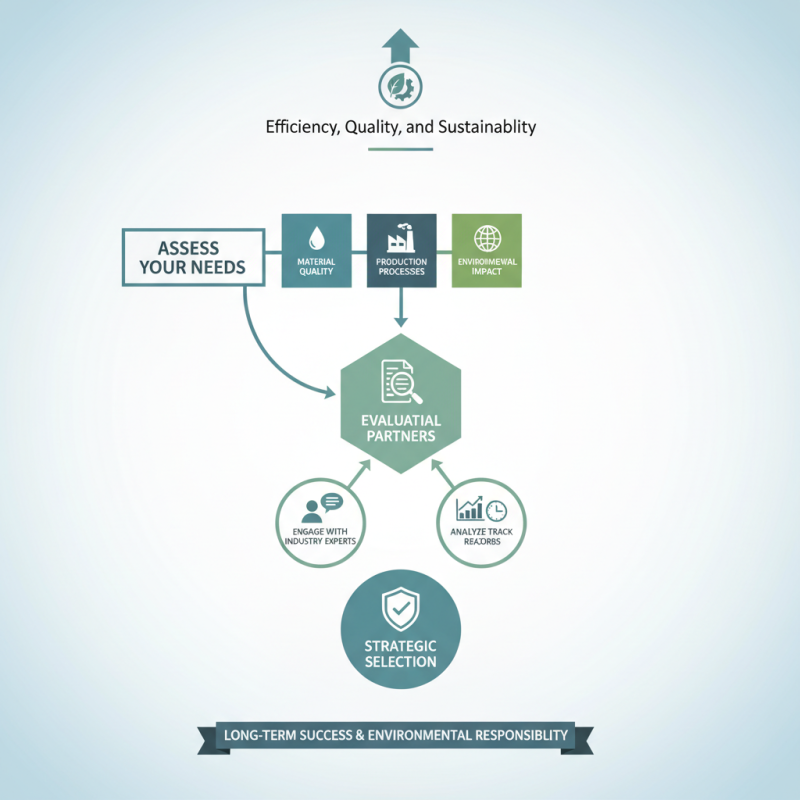
In today's competitive landscape, the options for air filter plastic frame manufacturers are abundant, making it essential for companies to assess their needs thoroughly. Factors such as material quality, production processes, and environmental impact play a critical role in ensuring that the selected manufacturer can deliver products that not only meet regulatory standards but also align with corporate sustainability goals. By understanding these elements and leveraging expert insights, businesses can make informed decisions that foster long-term success and environmental responsibility.
Ultimately, the process of choosing the best air filter plastic frame manufacturers demands a strategic approach. Engaging with industry experts and analyzing potential manufacturers' track records will provide the necessary foundation for selecting a partner who can contribute to superior product performance and customer satisfaction.
Understanding the Importance of Air Filters in Indoor Air Quality Management
Air filters play a crucial role in managing indoor air quality, directly affecting the health and well-being of occupants. Poor air quality can lead to various health issues, including respiratory problems, allergies, and fatigue. This is why selecting the right air filter and understanding its components, including the plastic frame, is essential for effective filtration. The frame of the air filter supports its structure and impacts its efficiency, permeability, and longevity. By ensuring that the frame is made from durable materials, you can further enhance the filtration system’s performance and ensure better indoor air quality.
Tips for choosing the right air filter include considering the MERV rating, which indicates the filter's ability to capture particulates of different sizes. A higher MERV rating generally means better filtration; however, it also comes with increased airflow resistance. Additionally, think about the specific air quality challenges in your environment. If allergens or pollutants are prevalent, a filter designed for those concerns will be more effective. Always review the manufacturer's specifications to find an air filter that aligns with your indoor air quality goals.
Another important aspect to consider is the maintenance frequency. Filters need to be replaced regularly to ensure optimal performance; thus, understanding your filter's lifespan is key. Investing in filters with easy-to-replace frames can simplify maintenance tasks, ensuring that your indoor air quality remains high without unnecessary hassle. By prioritizing the right features and materials, you can significantly enhance the health benefits of your indoor environment.
Key Factors to Consider When Evaluating Air Filter Plastic Frame Manufacturers
When evaluating air filter plastic frame manufacturers, it's essential to consider several key factors that impact both quality and performance. One of the most critical aspects is the material used in the manufacturing process. Reports suggest that high-density polyethylene (HDPE) and polypropylene are common materials due to their durability and resistance to moisture and chemicals. According to a study by the American Society of Heating, Refrigerating and Air-Conditioning Engineers (ASHRAE), filters constructed with these materials can improve air quality significantly, capturing up to 95% of airborne particles, which is crucial in both residential and industrial applications.
Another factor to consider is the manufacturer's production capabilities and certifications. ISO 9001 certification is often indicative of a manufacturer's commitment to quality management practices. Additionally, a report from the Industrial Air Filtration Association highlights that manufacturers who utilize advanced technologies, such as automated production lines and stringent quality control measures, consistently produce higher-quality products. The efficiency of production lines can also decrease lead times and improve the consistency of air filter frames, ensuring that they meet industry standards and customer specifications effectively.
Lastly, it is advisable to evaluate the manufacturer's reputation and customer feedback. Online reviews and industry testimonials can provide insight into the reliability of the supplier, as well as their customer service performance. A survey conducted by MarketWatch revealed that over 70% of customers consider feedback from peers crucial when selecting suppliers within the air filtration market. By emphasizing these factors—material quality, production capabilities, and reputation—you can ensure that you choose an air filter plastic frame manufacturer that meets your specific needs.
Assessing Manufacturing Standards and Certifications in Air Filter Industry
When selecting the best air filter plastic frame manufacturers, understanding manufacturing standards and certifications is crucial. The air filter industry is subject to a variety of regulations aimed at ensuring product quality and safety. Manufacturers should adhere to standards such as ISO 9001, which indicates a commitment to quality management systems. Seeking out manufacturers with these certifications can help ensure that they follow established protocols for production that lead to consistent and reliable products.
Additionally, specific certifications related to performance and environmental impact should also be considered. For example, look for compliance with standards like EN 1822 for air filtration efficiency or the FRP certification for ecological responsibility. These certifications not only demonstrate the manufacturer’s dedication to meeting industry benchmarks but also signify a commitment to sustainability. Manufacturers that invest in certifications often have better processes in place and are more likely to produce high-quality, effective air filters that meet your specific needs.
How to Choose the Best Air Filter Plastic Frame Manufacturers for Your Needs - Assessing Manufacturing Standards and Certifications in Air Filter Industry
| Dimension |
Details |
| Material Quality |
High-density polyethylene (HDPE) or polypropylene (PP) used for durability. |
| Manufacturing Standards |
ISO 9001 certification indicating quality management systems in place. |
| Production Capacity |
Capacity of 10,000 units per month to meet large order requirements. |
| Customization Options |
Various sizes and colors available to suit customer specifications. |
| Lead Time |
Standard lead time of 4-6 weeks for orders, depending on quantity. |
| Warranty |
1-year warranty against manufacturing defects provided. |
| Environmental Compliance |
MEPS compliant, ensuring minimal impact on the environment. |
| Customer Support |
24/7 customer service available for inquiries and support. |
Analyzing Material Durability and Performance Metrics for Air Filter Frames
When selecting air filter plastic frame manufacturers, analyzing the material durability and performance metrics is crucial. The longevity of an air filter frame is largely dependent on the materials used in its construction. High-quality plastics such as polycarbonate or polypropylene are favored for their strength and resistance to environmental factors such as moisture, temperature fluctuations, and chemical exposure. Assessing the material properties can reveal how well the frame will maintain its integrity over time, ensuring effective filtration performance without deformation or failure.
Performance metrics also play a significant role in your selection process. Consider characteristics such as the frame's ability to withstand pressure changes and its compatibility with various filter media. A manufacturer that provides detailed information on testing methods, including burst pressure tests and fatigue resistance evaluations, can indicate a commitment to quality. Additionally, examining user reviews and case studies can offer insights into the real-world performance of the frames, helping you identify which manufacturers consistently deliver products that meet or exceed industry standards.
Air Filter Frame Material Durability and Performance Metrics
Comparative Cost Analysis: Investment vs. Long-Term Efficiency of Air Filters
When selecting air filters, it is crucial to perform a
comparative cost analysis that balances
initial investment against long-term efficiency. While lower upfront costs can be tempting,
these filters often compromise on filtration quality, leading to increased energy consumption
and potential health risks over time. Investing in higher-quality air filters made by reputable
manufacturers may involve a larger initial expenditure but can result in
significant savings in energy bills and
maintenance costs.
Furthermore, long-term efficiency is not just about energy savings; it also encompasses
the durability and lifespan of the filters.
Filters that require frequent replacements can diminish any savings garnered from their lower
initial price. By choosing filters that provide better air quality and last longer, users
can optimize their operational costs and ensure a healthier indoor environment.
Evaluating the total cost of ownership instead of just the purchase price
will lead to more informed and beneficial decisions regarding air filter selection.