2026 Best Wholesale High Efficiency Hepa Filters for Clean Air?
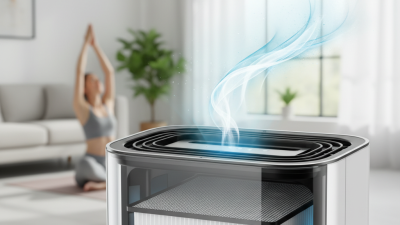
In recent years, the demand for clean air solutions has surged, and businesses are increasingly turning to Wholesale High Efficiency Hepa filters. According to a report by the Environmental Protection Agency (EPA), indoor air quality can be significantly worse than outdoor air, with pollutants often exceeding outdoor levels. Effective air filtration is essential for maintaining a healthy environment.
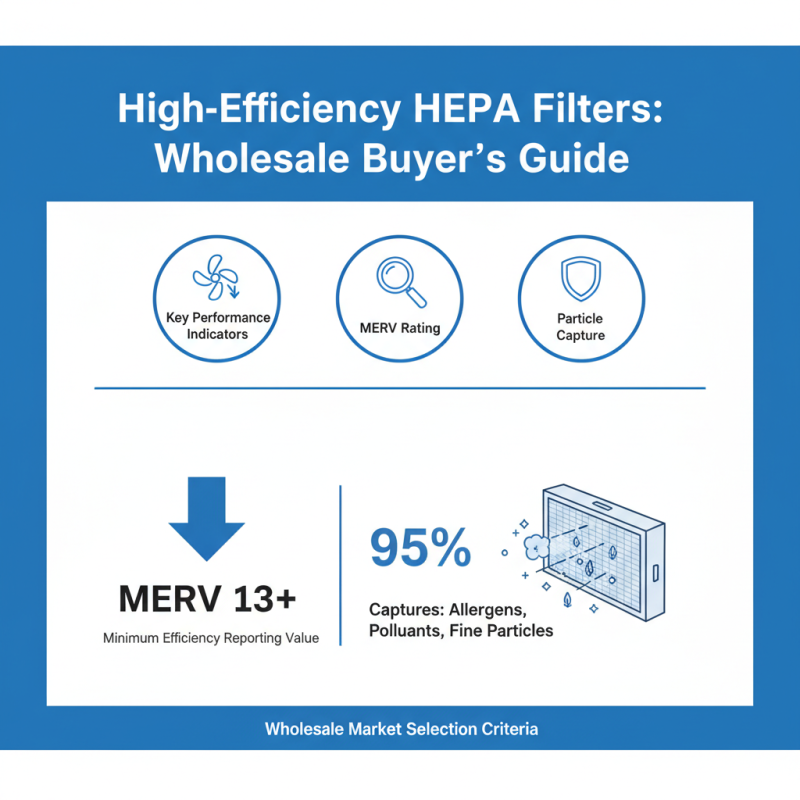
HEPA filters, which can capture 99.97% of airborne particles, play a crucial role in this effort. The global HEPA filter market is projected to reach $4 billion by 2026, driven by growing awareness of air quality issues and regulatory requirements. Companies providing wholesale High Efficiency Hepa filters benefit from increased sales and demand, but they must navigate challenges such as competition and product quality standards.
However, not all HEPA filters are created equal. Some products do not meet the required efficiency standards, which can mislead consumers. It is essential for businesses to prioritize reliability and certification when selecting their suppliers. In the evolving landscape of air filtration, understanding the nuances of Wholesale High Efficiency Hepa filters will empower organizations to make informed choices that benefit both customers and the broader community.
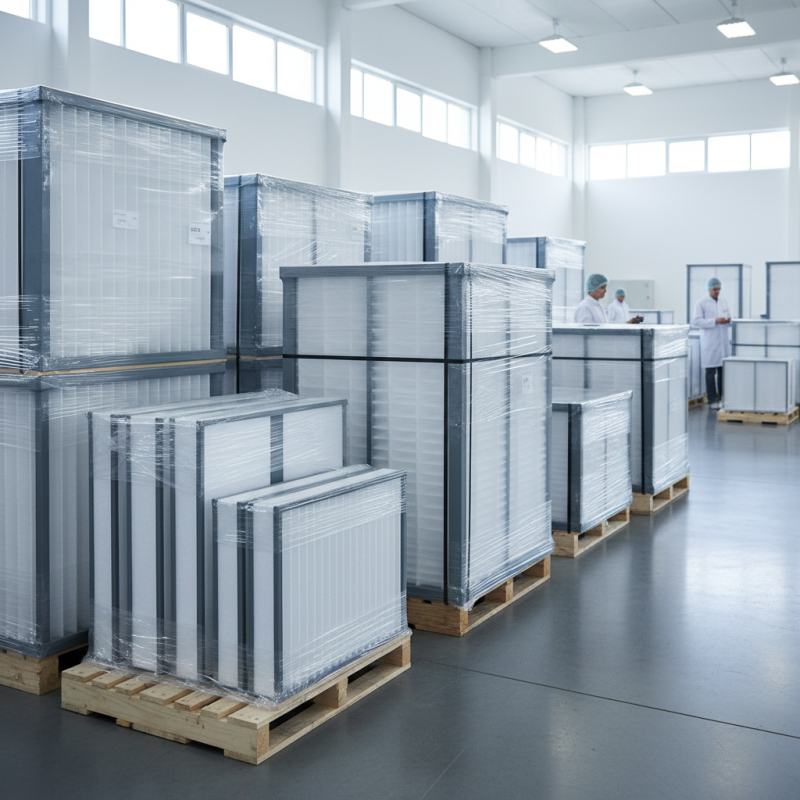
Overview of HEPA Filters: Definition and Importance for Clean Air
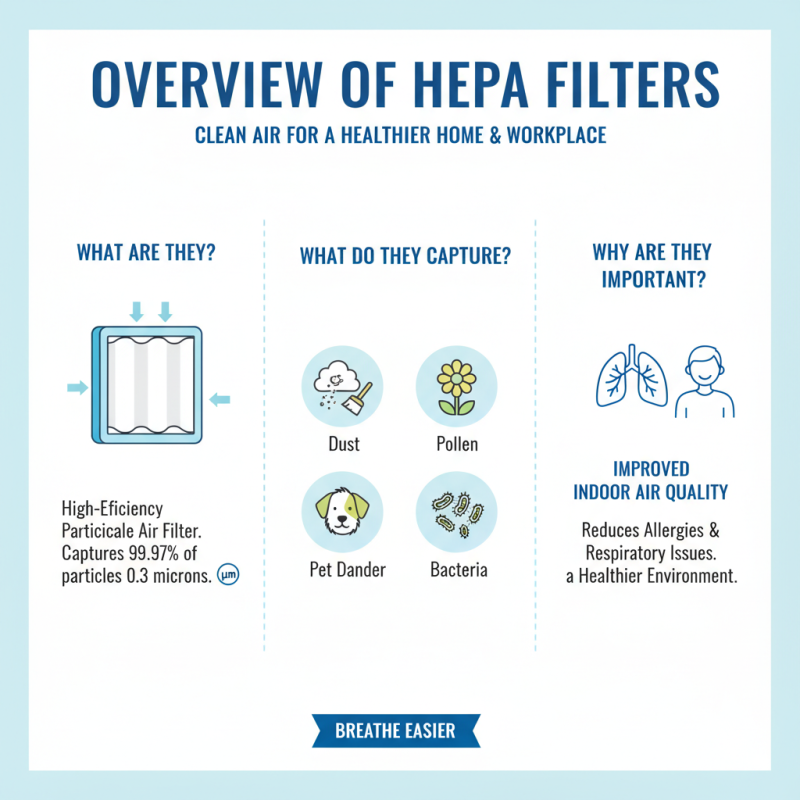
HEPA filters, or High-Efficiency Particulate Air filters, play a crucial role in maintaining indoor air quality. These filters are designed to capture a minimum of 99.97% of particles that are 0.3 microns in size. This includes dust, pollen, animal dander, and certain bacteria. A clean air environment is vital for health, notably for individuals with allergies or respiratory issues. By using HEPA filters, homes and workplaces can significantly reduce airborne contaminants.
Despite their proven effectiveness, not all HEPA filters are created equal. Some may degrade over time, becoming less efficient at trapping particles. Regular maintenance is essential. If filters aren't replaced, they can become blocked and hinder airflow. The implications of using an ineffective filter can be significant, often leading to poor air quality and adverse health effects. It's vital for consumers to educate themselves about the specific requirements of their environments, ensuring they select the right filters for their needs. This attention to detail promotes healthier living spaces and enhances overall well-being.
Top Brands and Manufacturers of Wholesale HEPA Filters in 2026
In 2026, the demand for high-efficiency HEPA filters continues to grow. Various manufacturers are leading the market with innovative solutions. Research indicates that the market for HEPA filters is projected to reach $6.8 billion by 2026. This growth reflects the increasing awareness of air quality issues.
Top manufacturers are investing heavily in research and development. Many are focusing on improving filtration efficiency and reducing energy consumption. Reports show that filters with performance ratings above 99.97% can capture 0.3-micron particles effectively. This is crucial for maintaining clean indoor air.
However, there are challenges within the industry. Some manufacturers struggle with supply chain disruptions. Others face difficulties meeting rigorous regulatory standards. As the demand surges, companies must balance efficiency and sustainability. Ongoing research must address the longevity of filter materials as well. This ensures that products remain cost-effective and environmentally friendly.
Applications of HEPA Filters in Various Industries for Air Purification
HEPA filters are crucial in various industries for ensuring clean air. Hospitals utilize these filters to maintain sterile environments. In operating rooms, air purity is vital. The filters capture airborne particles, including bacteria and viruses, significantly improving patient safety.
In manufacturing, HEPA filters play a critical role in controlling air quality. They prevent harmful dust and particulate matter from entering sensitive areas. This helps protect both workers and products. Clean air reduces contamination risks. However, not all systems are foolproof. Regular maintenance is essential to uphold efficacy.
In the food industry, these filters ensure safe processing environments. They block contaminants, protecting the quality of food products. Yet, sometimes, businesses overlook the importance of consistent filter replacements. This can lead to decreased effectiveness over time. A proactive approach is key to maintaining high air quality standards.
Future Trends in HEPA Filter Technology and Their Impact on Air Quality
The evolution of HEPA filter technology is critical for improving air quality. Recent studies show that high-efficiency particulate air (HEPA) filters can remove up to 99.97% of particles as small as 0.3 microns. This effectiveness is paramount as air pollution levels continue to rise globally. According to the World Health Organization, air quality-related diseases account for millions of premature deaths each year. Investing in advanced HEPA filters is thus not just a choice, but a necessity for healthier indoor environments.
As technology advances, we see trends like smart HEPA filters gaining popularity. These filters can automatically adjust their efficiency based on the surrounding air quality. A report by the Environmental Protection Agency highlights that real-time monitoring leads to better performance and reduced energy consumption. This not only enhances air quality but also promotes energy efficiency, aligning with sustainability goals.
Tips: Consider upgrading to a smart HEPA filter for better performance. Check air quality regularly to determine when to replace filters. Regular maintenance can prolong the life of your filter and improve its effectiveness. As we look to the future, ongoing innovations will likely lead to even higher efficiencies and a greater impact on public health. The pursuit of cleaner air is a journey, and staying informed about these developments is essential.