Best Wholesale Activated Carbon Filter Sheet for Your Needs?
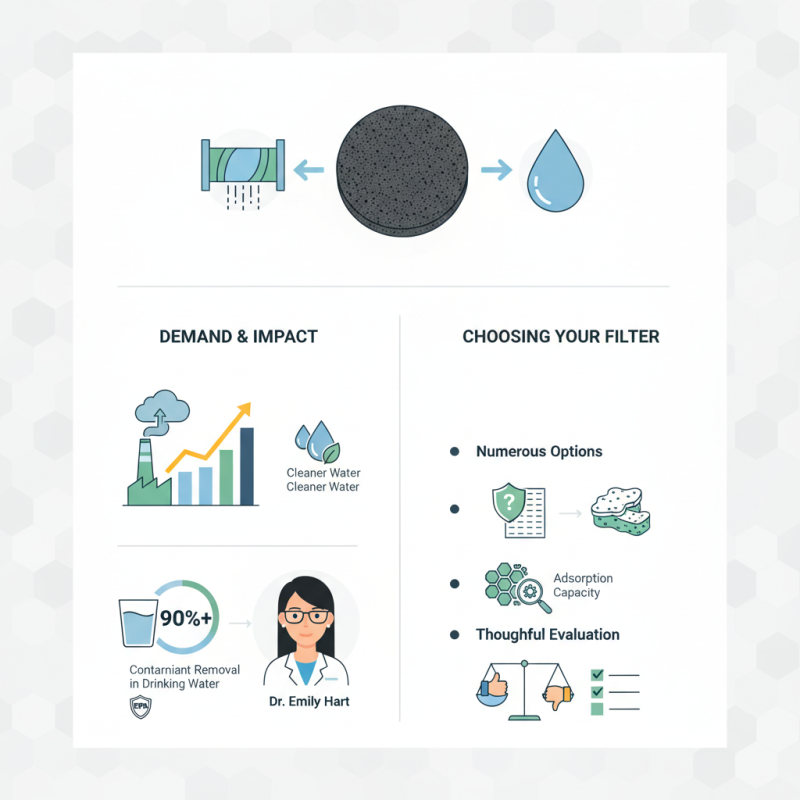
The demand for high-quality Wholesale Activated Carbon Filter Sheets is rapidly increasing. As industries strive for cleaner air and water, these filters have become essential. According to a report by the Environmental Protection Agency, activated carbon filters can remove over 90% of contaminants in drinking water.
Dr. Emily Hart, a leading expert in environmental filtration, states, "Choosing the right activated carbon filter sheet can significantly improve filtration efficiency." This highlights the importance of selecting the best products for specific needs. However, with numerous options available, making the right choice can be challenging.
Manufacturers often claim superiority in their filters, but not all live up to expectations. Customers must be cautious. Understanding specific requirements, such as porosity and adsorption capacity, is crucial. A thoughtful evaluation of these factors is necessary when selecting a Wholesale Activated Carbon Filter Sheet.
What is Activated Carbon and How Does It Work in Filtration?
Activated carbon, a highly porous material, plays a crucial role in air and water filtration. It works by adsorbing pollutants and impurities. This process is different from absorption, as activated carbon attracts molecules and traps them in its many pores. Studies indicate that activated carbon can remove up to 99% of certain contaminants, making it a popular choice in various filtration systems.
Research shows that the effectiveness of activated carbon filters depends on factors like pore size and surface area. The surface area can exceed 3,000 square meters per gram. This vast area provides numerous sites for trapping toxins. Additionally, activated carbon's performance is influenced by the specific contaminants and their concentrations. For example, volatile organic compounds (VOCs) can be significantly reduced in indoor air quality—an important consideration for health-conscious consumers.
Not all activated carbon is equal, however. Different types are designed for various applications. For instance, coconut shell carbon is often preferred for air purification, while coal-based carbon may be more suited for water treatment. Understanding these differences is key in selecting the right filter. Users should also be mindful that activated carbon needs regular replacement to maintain effectiveness.
Activated Carbon Filter Sheet Efficiency
The chart above demonstrates the filtration efficiency of an activated carbon filter sheet against various contaminants. Each contaminant is measured in percentage, highlighting the effectiveness of activated carbon in removing impurities.
Types of Activated Carbon Filter Sheets Available in the Market
Activated carbon filter sheets come in various types, catering to different applications. The most common include granulated activated carbon (GAC) sheets, extruded activated carbon sheets, and coconut shell carbon sheets. Each type has unique properties. GAC sheets are porous and effective for removing large organic molecules. Extruded sheets are denser and work well in air filtration systems. Coconut shell carbon is noted for its high adsorption capacity and is favored for both air and water purification.
When selecting a filter sheet, consider the specific needs of your application. For air cleaning, a sheet with high surface area is preferable. In contrast, for water filtration, ensure the filter can reduce contaminants like chlorine and heavy metals.
Tips: Choose filter sheets based on the contaminants present in your environment. Research how various materials interact with specific pollutants. Regularly assess your filter's performance to ensure efficiency. Remember to replace them as needed. Filters can lose effectiveness over time, making it crucial to monitor their condition.
Best Wholesale Activated Carbon Filter Sheet for Your Needs?
| Type of Activated Carbon Filter Sheet |
Material |
Thickness (mm) |
Applications |
Removal Efficiency (%) |
| Granular Activated Carbon Sheet |
Coal-based |
5 |
Water treatment, air purification |
95 |
| Extruded Activated Carbon Sheet |
Coconut shell |
3 |
Industrial gas treatment |
90 |
| Activated Carbon Fiber Sheet |
Polyacrylonitrile (PAN) |
1 |
Medical, automotive |
98 |
| Carbon Impregnated Filter Sheet |
Polyester |
4 |
Chemical filtration |
85 |
Key Factors to Consider When Choosing a Wholesale Activated Carbon Filter
When selecting a wholesale activated carbon filter sheet, several key factors come into play. The type of activated carbon used in the filter is crucial. Different materials have varying adsorption capacities. For instance, coconut shell carbon is known for its high surface area, making it effective for many applications. On the other hand, wood-based carbon often provides a more cost-effective option, though it may not perform as well in all scenarios. Consider your specific needs before making a choice.
Next, evaluate the filter sheet's thickness and density. Thicker sheets can offer better filtration but may restrict airflow. This trade-off can impact performance in systems requiring high flow rates. Testing a sample can be helpful. This feedback may help identify the best fit for your system. Additionally, consider the longevity of the filter. A longer-lasting filter will save costs in the long run. Look for filters that offer a balance between efficiency and durability.
Top Suppliers and Manufacturers of Activated Carbon Filter Sheets
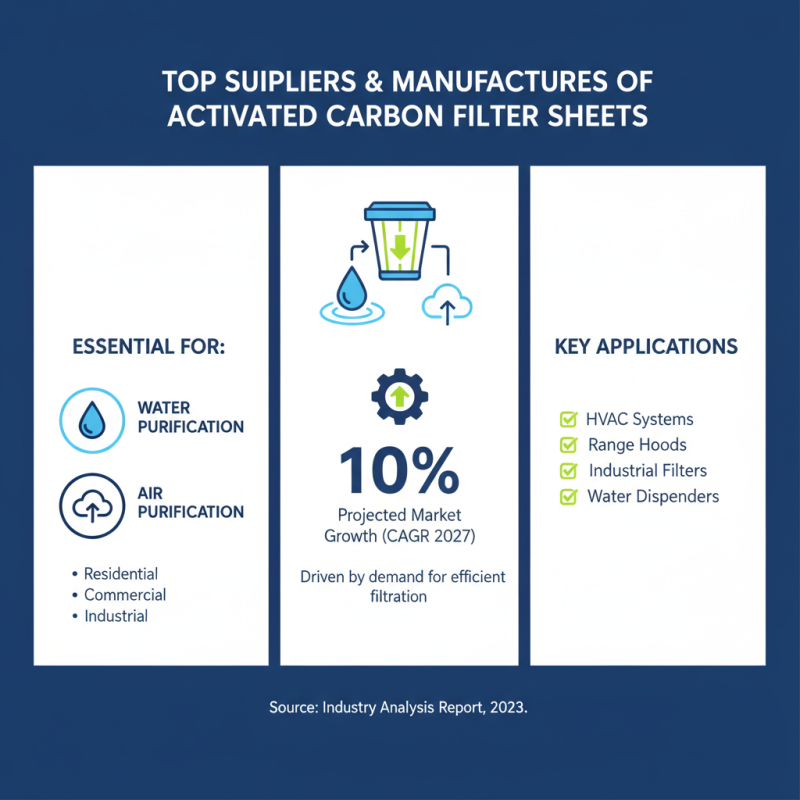
Activated carbon filter sheets are essential for various industries, including air and water purification. Many suppliers offer different types of sheets, each tailored to specific applications. Recent industry analysis indicates that the demand for activated carbon products is projected to grow at a CAGR of 10% through 2027. This growth reflects the rising need for efficient filtration solutions in both residential and commercial settings.
When selecting a supplier, consider quality and reliability. Many manufacturers focus on producing sheets with high adsorption capacity and surface area. Some accredited studies indicate that activated carbon with a surface area of over 1000 m²/g significantly enhances performance. However, not all suppliers maintain the same standards. It’s essential to verify certifications and product specifications to ensure performance meets your needs.
The supplier's experience in the market can also influence product quality. Many top manufacturers have decades of experience in activated carbon production. Yet, new entrants can offer competitive alternatives. It's wise to compare various suppliers based on material quality and price. Remember, not all suppliers deliver the same results. Each option deserves careful evaluation to find the best fit for your requirements.
Applications and Benefits of Using Activated Carbon Filter Sheets
Activated carbon filter sheets offer unique applications across various industries. They are commonly used in air and water purification systems. These sheets effectively trap pollutants and harmful substances, ensuring cleaner environments. For example, they can remove volatile organic compounds from indoor air. This helps in creating healthier living and working spaces.
In the food and beverage industry, activated carbon filter sheets play a crucial role. They help eliminate undesirable odors and tastes from products. Their ability to adsorb impurities makes them valuable in ensuring the quality of consumables. Additionally, these sheets are used in industrial settings for wastewater treatment. They can significantly reduce contaminants in effluent before it is released back into nature.
While activated carbon filter sheets are highly effective, challenges exist. Not all filters are created equal. Some may require frequent replacements to maintain their efficiency. Users must consider factors like filter lifespan and specific application needs. Maintaining a balance between cost and performance is essential. Reflecting on these aspects can lead to better decision-making and enhanced filtration results.