Best Pleated Filter Material for Optimal Air Quality Solutions?
In recent years, air quality has become a critical concern for many communities. The demand for effective air filtration systems has surged. According to the U.S. Environmental Protection Agency, indoor air can be two to five times more polluted than outdoor air. This highlights the importance of selecting the "Best Pleated Filter Material" for optimal air filtration solutions.
Industry expert Dr. Sarah Thompson emphasizes, "The right pleated filter material can significantly reduce airborne allergens and pollutants." Her extensive research supports that high-quality pleated filters can capture up to 95% of airborne particles. Materials such as synthetic microfibers and electrostatically charged fibers show promising results in improving air quality. However, not all pleated filters are created equal. Some filters may have lower efficiency or shorter lifespans, leading to potential drawbacks.
Understanding the nuances of filter material can be challenging. Users often face confusion due to varying quality and misleading marketing claims. It is essential to research and consider recommendations from trustworthy sources. Selecting the "Best Pleated Filter Material" requires careful evaluation of specifications and performance metrics. This decision can profoundly impact health and well-being, making informed choices paramount.
Best Pleated Filter Materials and Their Impact on Air Quality
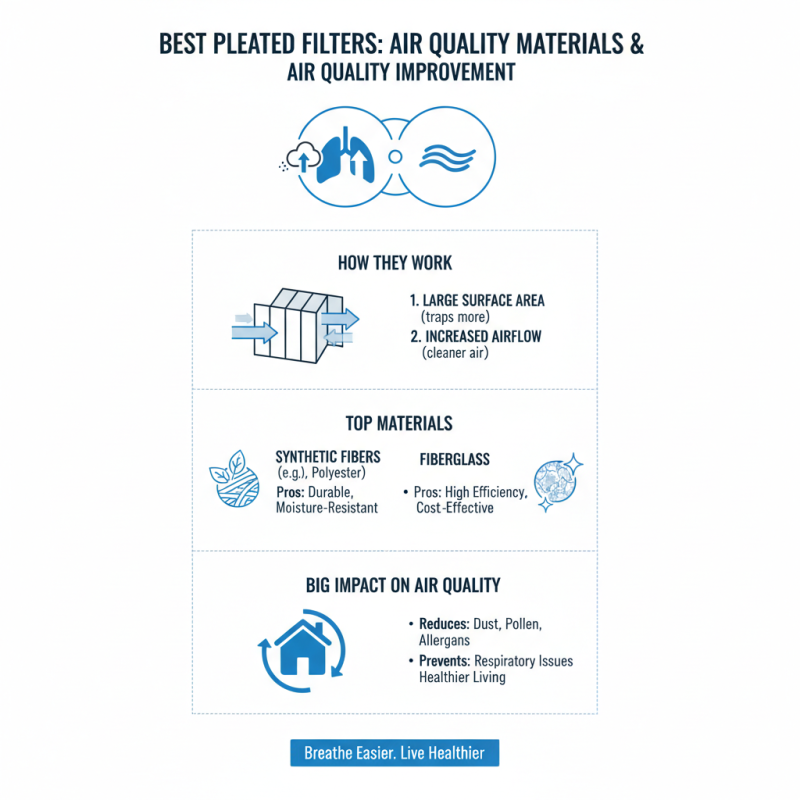
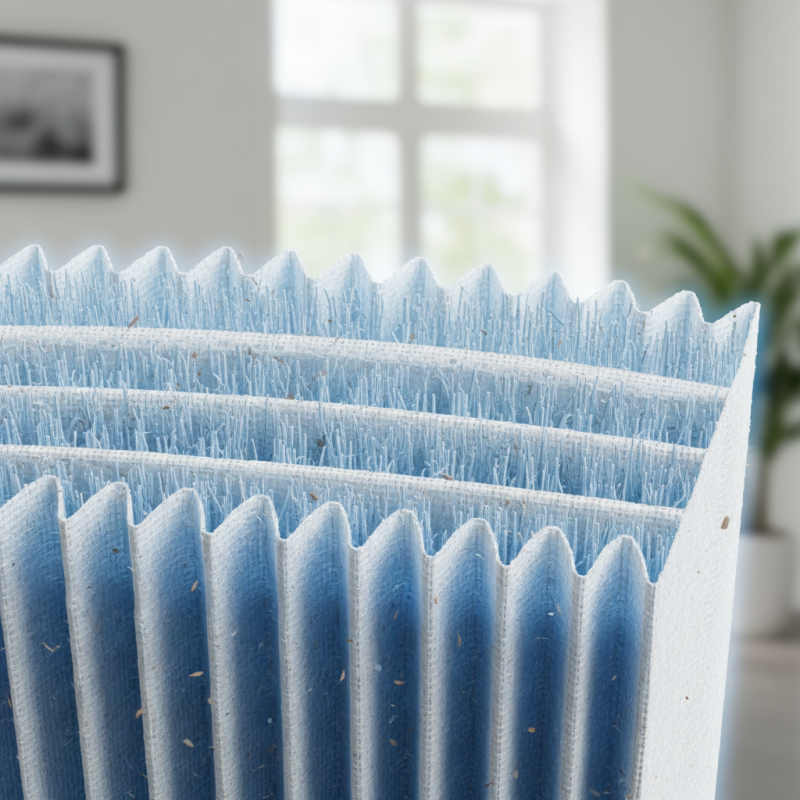
Pleated filter materials play a crucial role in maintaining air quality. These filters capture dust, pollen, and other pollutants effectively. The design of pleated filters provides a larger surface area. This allows for increased air passage while trapping more contaminants. Different materials, such as synthetic fibers or fiberglass, may affect performance.
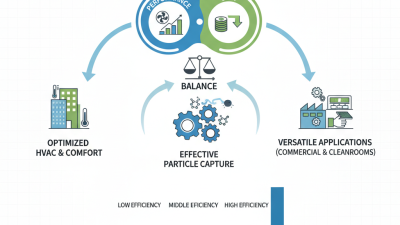
When selecting pleated filters, consider the MERV rating. A higher rating indicates better filtration. However, filters with excessively high ratings may restrict airflow. This can strain HVAC systems. A balance is necessary for effective air quality solutions.
Tips for choosing filter materials include checking the filter's lifespan. Some materials may require more frequent changes. Monitor the air quality regularly. Make adjustments as needed to ensure optimal performance. In certain conditions, you might notice increased allergens indoors. This signals a need for stronger filtration or a more frequent replacement schedule.
Understanding the Efficiency Ratings of Pleated Filters in Air Purification
Pleated filters have gained popularity for their ability to improve air quality. Understanding efficiency ratings is essential for selecting the right filter. Efficiency is often measured through MERV ratings, which range from 1 to 16. Higher ratings indicate better filtration. For residential use, filters with MERV ratings between 8 and 13 are generally sufficient.
However, selecting a filter is not just about efficiency numbers. Consider air flow and filter life. A filter with a high efficiency rating may restrict airflow. This could strain your HVAC system, leading to higher energy costs. Finding the right balance is crucial. A well-designed pleated filter should trap pollutants while maintaining airflow.
Additionally, not all pleated materials are the same. Some may have better dust-holding capacity than others. Researching different materials can help improve your air purification efforts. It's also beneficial to check for any certifications. These can provide insights into the filter's performance. This way, you ensure you're making a well-informed choice for your air quality needs.
Comparative Analysis of Synthetic vs. Fiberglass Pleated Filters
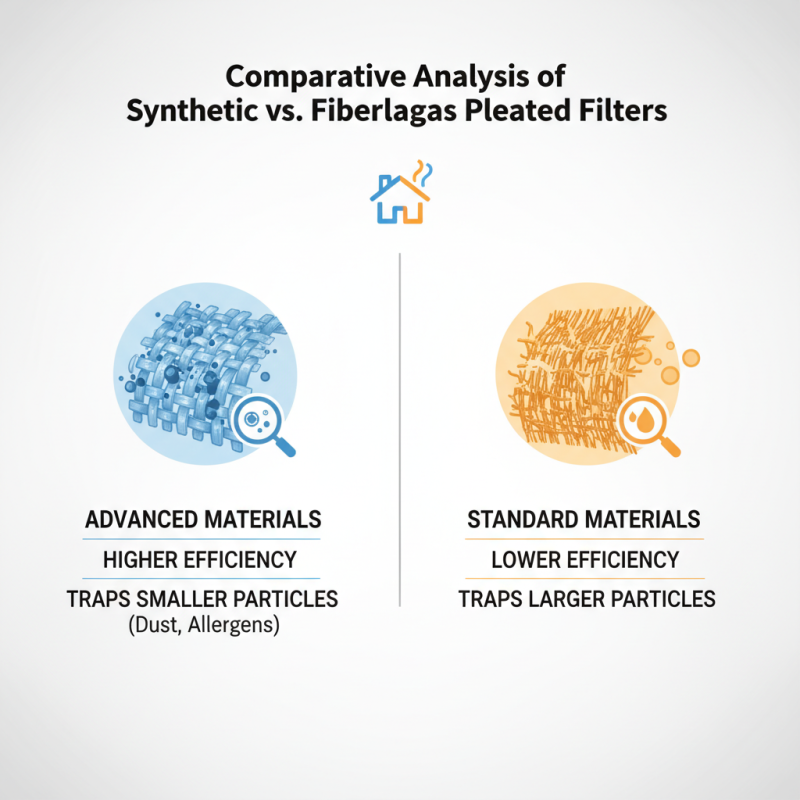
When it comes to optimizing air quality, pleated filters play a crucial role. The choice between synthetic and fiberglass pleated filters affects performance significantly. Synthetic filters are designed with advanced materials that enhance filtration efficiency. They trap smaller particles, such as dust and allergens, more effectively than fiberglass options. This is due to their unique design and density.
Fiberglass filters, while often more affordable, have limitations. They consist of a layered fibrous structure that can capture larger debris but fails to catch finer particles. This may lead to compromised air quality. While they have a lower initial cost, their efficiency can lead to more frequent replacements, making them potentially costlier in the long run.
Each type has its own advantages and disadvantages. It’s essential to assess your environment and specific needs when choosing a filter. Synthetic filters might perform better in households with allergy sufferers. However, the higher upfront investment may not feel justifiable for some. In contrast, fiberglass filters might suit less demanding situations. Always consider the balance between upfront costs and long-term benefits.
Key Performance Metrics: MERV Ratings and Their Significance
When considering air quality solutions, MERV ratings are crucial. The Minimum Efficiency Reporting Value (MERV) measures a filter's efficiency. It ranges from 1 to 20, with higher ratings indicating better filtration. For example, filters rated MERV 13-16 can capture airborne particles like pollen, mold spores, and pet dander with over 85% efficiency. This level of efficiency markedly improves indoor air quality, essential for health.
Filters with lower MERV ratings may not capture smaller pollutants. This can lead to lingering allergens and irritants in your environment. Many HVAC professionals suggest using a filter with a MERV rating of at least 8. However, opting for higher ratings can also strain your HVAC system. It's important to consider both air quality and the system's performance.
Tips: Choose a filter that balances MERV ratings with your HVAC system's capabilities. Regular maintenance is key; a clogged filter reduces effectiveness. Lastly, don’t overlook humidity control. High humidity can lead to mold growth, regardless of filtration.
Best Pleated Filter Material for Optimal Air Quality Solutions
| Filter Material |
MERV Rating |
Particle Size Efficiency (Microns) |
Lifespan (Months) |
Applications |
| Polyester |
MERV 8 |
3-10 |
3-6 |
Residential, Commercial |
| Synthetic Media |
MERV 10 |
1-10 |
6-12 |
Industrial, Hospitals |
| Fiberglass |
MERV 5 |
10+ |
1-3 |
General HVAC |
| Pleated Paper |
MERV 7 |
5-10 |
3-6 |
Residential |
| Activated Carbon |
MERV 11 |
1-5 |
6-12 |
Odor Control, Gas Filtration |
Future Innovations in Pleated Filter Technology for Enhanced Air Quality
Pleated filter technology is evolving rapidly. Recent reports from the American Society of Heating, Refrigerating and Air-Conditioning Engineers (ASHRAE) highlight the importance of optimal filter material in maintaining air quality. New innovations focus on high-efficiency particulate air (HEPA) filters that capture up to 99.97% of particles. This level of filtration is crucial, especially in urban environments where air pollution is a concern.
Emerging materials, such as nanofibers, are showing great promise. Studies suggest that these materials can enhance filtration efficiency while reducing airflow resistance. This balance is vital for HVAC systems, which must operate effectively without overworking. Data indicates that advanced pleated filters can improve indoor air quality significantly, yet adoption rates lag due to costs and awareness.
Manufacturers are also exploring biodegradable filter options. These alternatives can reduce environmental impact while ensuring air quality is maintained. Yet, challenges remain in scalability and market acceptance. As the industry evolves, greater emphasis on sustainability will be key, along with overcoming consumer hesitance in adopting new technologies. Improvements are not only necessary; they are essential in the quest for cleaner air.
Best Pleated Filter Material for Optimal Air Quality Solutions
This chart illustrates the performance of different pleated filter materials in terms of their efficiency in capturing particles and gases. The materials are compared based on their filtration efficiency percentage.