What is the Best Pleated Air Filter Material for Home Use?
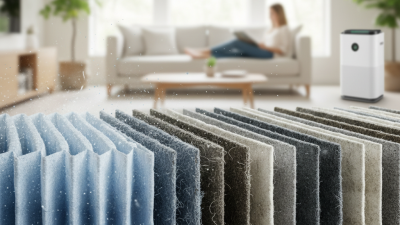
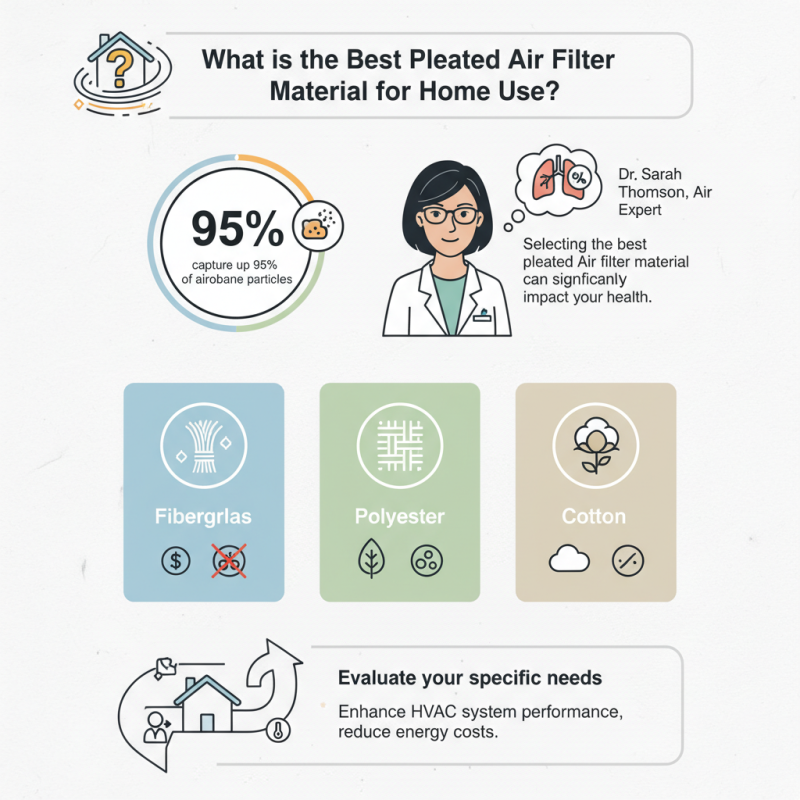
Choosing the best pleated air filter material for home use is crucial for indoor air quality. Research indicates that pleated filters capture up to 95% of airborne particles. This efficiency is essential for homeowners seeking cleaner air. A well-designed pleated filter can enhance HVAC system performance while reducing energy costs.
According to air quality expert Dr. Sarah Thompson, “Selecting the best pleated air filter material can significantly impact your health.” Her insights underscore the importance of using high-quality materials. Fiberglass, polyester, and cotton are common filter materials, each offering unique benefits. While fiberglass filters are economical, they may not capture fine particles as effectively as others.
As consumers navigate the crowded filter market, understanding the differences is vital. Not all materials serve the same purpose. Identifying the best pleated air filter material requires evaluation of your specific needs. You might discover that the most popular option isn't the best fit for your home. Reflecting on personal experiences with air quality can guide better choices.
Understanding Pleated Air Filters: An Overview
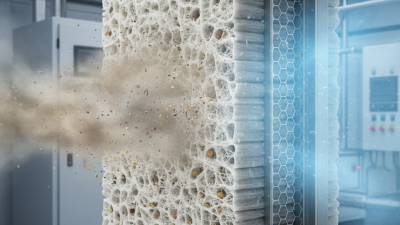
Pleated air filters are becoming increasingly popular for home use. They are designed to capture dust, pollen, and other airborne particles. According to a report by the American Society of Heating, Refrigerating and Air-Conditioning Engineers (ASHRAE), pleated filters can improve indoor air quality significantly. In fact, they can capture up to 95% of particles that are 0.3 microns and larger.
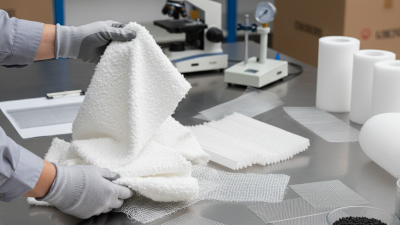
The materials used in pleated filters vary. Many common options include synthetic fibers and cotton. Synthetic filters often provide higher efficiency. They tend to be more durable and can last longer than traditional options. A study from the National Air Filtration Association (NAFA) shows that synthetic filters can outperform cotton by about 15% in overall efficiency. However, some users find synthetic fibers less environmentally friendly.
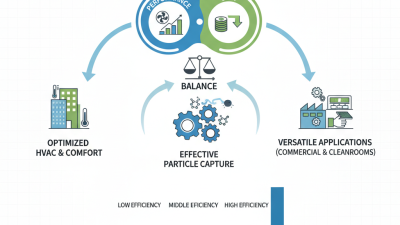
Choosing the right pleated air filter material can be tricky. It requires balance. You need to consider filtration efficiency, airflow, and cost. Some filters may clog quickly, reducing airflow and efficiency. Maintaining filters is also crucial, as dirty filters can lead to increased energy costs. Regular monitoring and replacement can be underestimated, yet they are vital for optimal performance. Making the right choice means not just picking the most efficient material, but also ensuring it fits your home's needs.
What is the Best Pleated Air Filter Material for Home Use?
| Material Type |
MERV Rating |
Dust Holding Capacity |
Lifespan (Months) |
Cost per Filter |
| Polyester |
MERV 8 |
Moderate |
3-6 |
$10 |
| Fiberglass |
MERV 4 |
Low |
1-2 |
$5 |
| Pleated Paper |
MERV 6 |
Moderate |
2-3 |
$8 |
| Synthetic Media |
MERV 10 |
High |
6-12 |
$15 |
| Activated Carbon |
MERV 11 |
Very High |
12+ |
$20 |
Key Materials Used in Pleated Air Filters
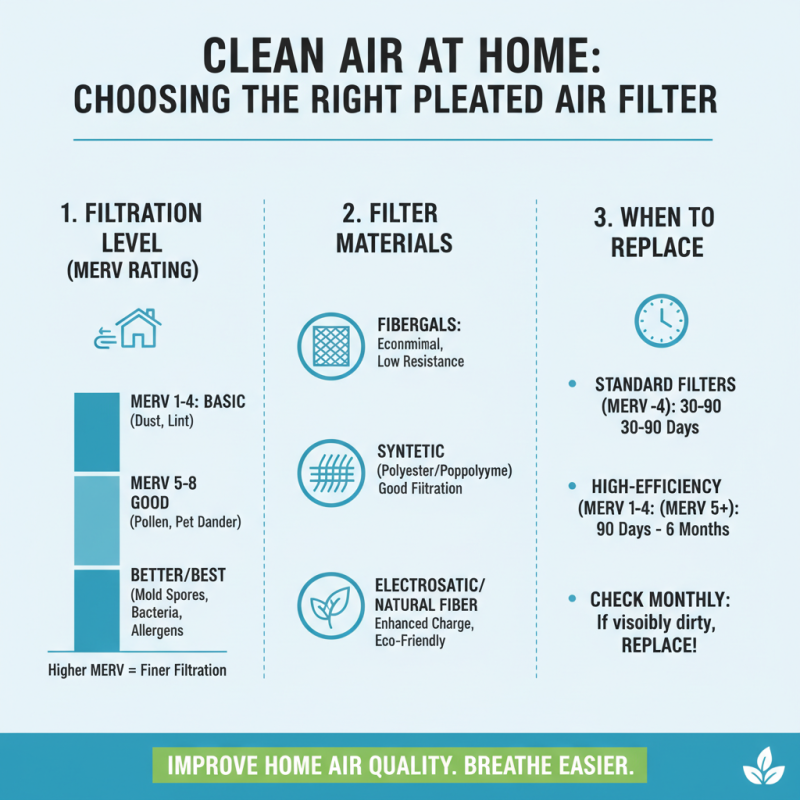
Pleated air filters come with various materials, each affecting their efficiency and effectiveness. The most common materials include fiberglass, synthetic fibers, and electrostatic media. Fiberglass filters are affordable and widely used. However, they often have a lower filtration efficiency, capturing only larger particles. This means smaller allergens can remain in the air.
Synthetic fiber filters, on the other hand, provide several advantages. They can achieve a higher Minimum Efficiency Reporting Value (MERV) rating. Reports suggest that synthetic filters can trap up to 85% of airborne particles, improving indoor air quality significantly. Their ability to maintain airflow without restricting it too much is a key benefit.
Electrostatic filters use static electricity to attract particles. They capture even smaller pollutants, such as dust and pollen. Some studies highlight that these filters can trap up to 95% of contaminants. However, they may require regular cleaning to maintain efficiency. Many homeowners might overlook this aspect, leading to reduced performance over time. Choosing the right material needs careful consideration of your home’s specific air quality needs.
Comparison of Pleated Air Filter Materials
Advantages of Different Filter Materials for Home Use
When choosing an air filter for your home, material plays a crucial role.
Fiberglass filters are common. They capture large particles but don't filter smaller allergens well. While they're affordable, they might not be the best for allergy sufferers.
In contrast, pleated filters are often made of polyester or paper. They have more surface area, so they trap more dust and allergens. This makes them a better option for families with pets or respiratory issues. They may cost more, but the improved air quality can be worth it.
Tips:
Always check the MERV rating of a filter. Higher ratings mean better filtration, but they might also restrict airflow. Balance is key. You want clean air without straining your HVAC system. Test different materials to see what works best for your home. Sometimes, the perfect filter is a combination of factors. Keep assessing your choices.
Comparative Analysis of Popular Pleated Filter Materials
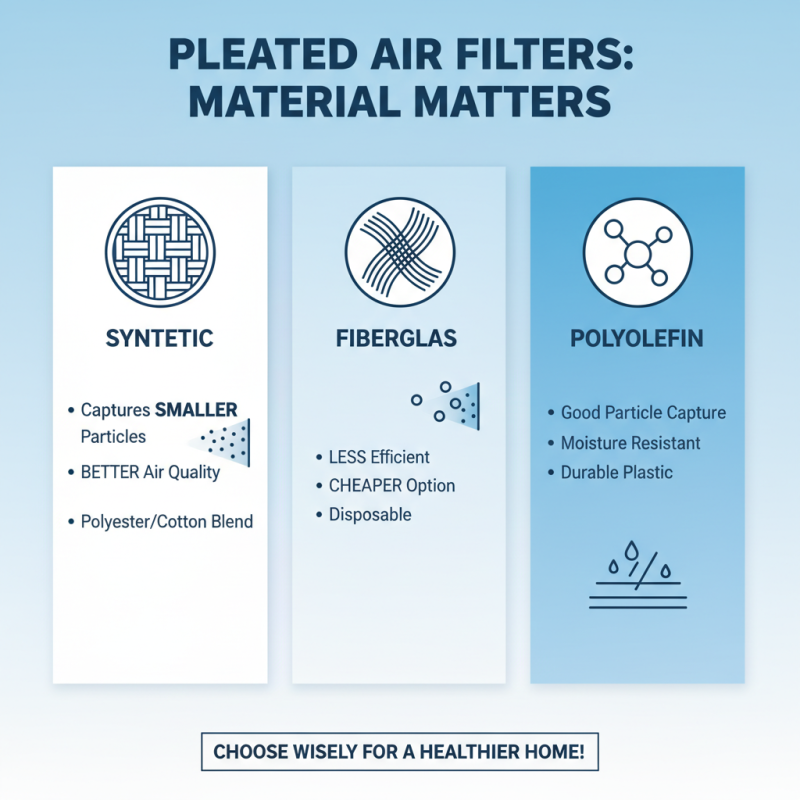
When it comes to pleated air filters, material choice greatly impacts home air quality. Common options include synthetic, fiberglass, and polyolefin. Each offers unique features that cater to various needs. Reports indicate synthetic filters tend to capture smaller particles better, while fiberglass filters are less efficient but often cheaper.
Synthetic materials can filter out particles as small as 0.3 microns with an efficiency of about 80%. In contrast, fiberglass filters typically have an efficiency rating below 30%. This means that while synthetic filters may cost more upfront, they provide better long-term value by improving indoor air quality. Polyolefin filters sit somewhere in between, offering moderate filtration at a competitive price.
However, not all synthetic materials are equally effective. Some might degrade over time, losing their filtration capability. Homeowners should also consider how often they plan to change filters. A quality filter can last up to three months, but if not replaced timely, it becomes less effective. Understanding the nuances of these materials can ensure that you choose the best pleated air filter for your home.