Best Pleated Air Filter Material for Global Buyers?
In today's market, selecting the Best Pleated Air Filter Material is crucial for various applications. Research by the American Society of Heating, Refrigerating and Air-Conditioning Engineers (ASHRAE) highlights that high-efficiency filters can remove up to 99% of airborne particles. This statistic underscores the importance of choosing quality materials in air filtration.
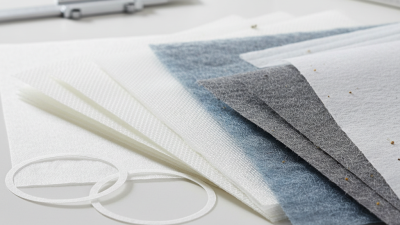
Manufacturers often overlook specific materials that enhance performance. Common options include polyester, cellulose, and fiberglass. Each material offers unique attributes, affecting both efficiency and durability. Studies show that pleated filters can last longer than standard filters, leading to cost savings over time. Yet, many buyers remain unaware of the full spectrum of available materials.
Proper evaluation of these materials can be challenging. Not all products meet industry standards despite bold claims. Buyers should seek certifications like HEPA or MERV ratings for assurance. Being informed about the Best Pleated Air Filter Material helps ensure better air quality and reliability in filtration systems. While many filters promise high performance, it is essential to reflect on actual performance metrics before making a choice.
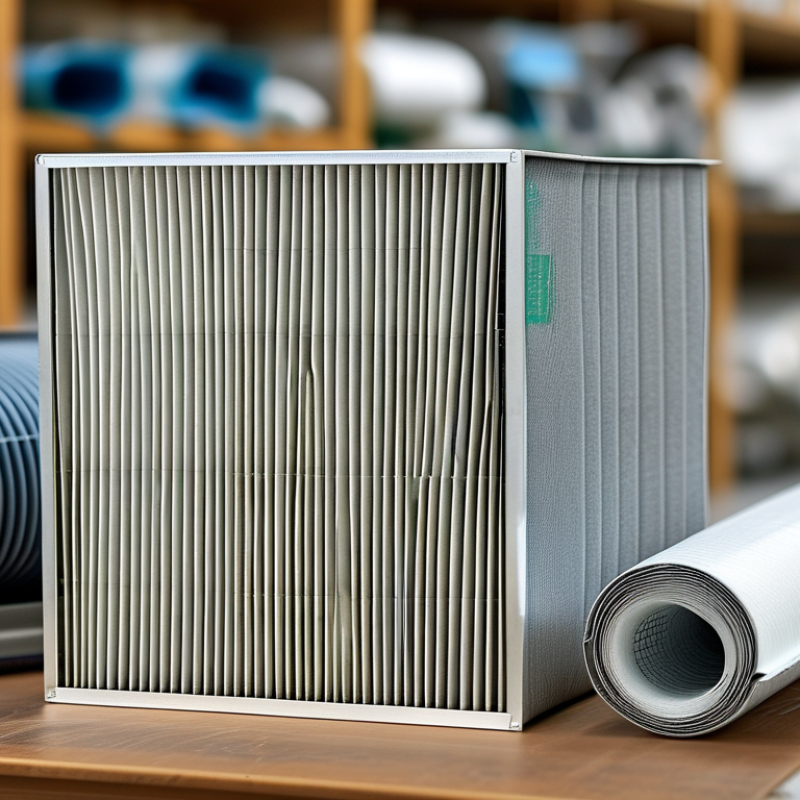
Best Pleated Air Filter Materials: A Global Overview
The global demand for pleated air filters is continually rising. A recent report by Global Market Insights indicates that the air filter market is projected to reach $15 billion by 2027, highlighting the importance of selecting the best materials. Pleated air filters, known for their greater surface area, offer enhanced filtration efficiency. This makes them favorable among various industries, including HVAC, automotive, and manufacturing.
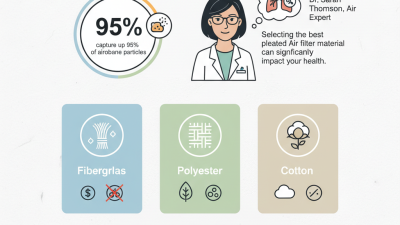
Material choice significantly affects performance. Synthetic fibers, such as polyester and polypropylene, are popular due to their durability and efficacy. Studies show that filters made from these materials can capture up to 95% of airborne particles. Additionally, using electrostatic charges in filter media further boosts their ability to trap contaminants. However, not all synthetic materials perform equally, leading to potential inefficiencies.
Environmental considerations also play a role in material selection. Biodegradable options are gaining traction as awareness about sustainability rises. However, the durability of these materials is often questioned. Some professionals argue that while eco-friendly materials are important, performance should not be compromised. The search for an ideal balance between environmental impacts and filtration performance continues to drive innovation in this field.
Key Properties of Effective Pleated Air Filter Materials
Pleated air filters are essential in maintaining indoor air quality. Choosing the right filter material can significantly impact performance. Effective pleated air filter materials should exhibit high dust-holding capacity and low pressure drop. This allows for longer life and efficient airflow.
The efficiency of a filter is largely determined by its particle capture ability. Materials like synthetic fibers are known for their durability and effectiveness. They resist moisture and bacteria growth, which can compromise filter function. However, not all synthetic materials are created equal. Some may lack adequate filtration efficiency and durability.
Quality pleated air filter materials should also be lightweight and easy to install. While thicker filters may trap more particles, they can also restrict airflow if not designed properly. So, striking a balance is crucial. An ideal filter should maintain a good airflow rate while effectively capturing various contaminants.
Popular Types of Materials Used in Pleated Air Filters
When selecting pleated air filter materials, buyers often consider various types. Two popular options include synthetic media and natural fibers. Synthetic media can capture smaller particles efficiently. Moreover, they tend to have a longer lifespan compared to natural fibers.
Natural fiber filters, however, offer unique benefits. They are biodegradable and environmentally friendly. These filters can perform well in specific applications but may require more frequent replacements. This can lead to higher long-term costs.
It's essential for buyers to assess their specific needs. What type of particles need capturing? What is the required airflow rate? Some might feel overwhelmed by these choices. Seeking expert guidance could prove beneficial. Understanding the material properties helps in making informed decisions. The ideal choice varies for each application and situation.
Comparative Analysis of Cost and Performance in Filter Materials
When selecting pleated air filter materials, cost and performance analysis are critical. Buyers need to evaluate various materials based on efficiency and longevity. Commonly chosen materials include synthetic fibers and electrostatically charged media. These choices often balance affordability with air purification capabilities.
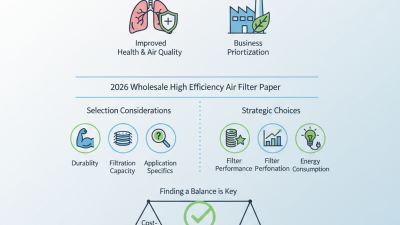
The performance of filter materials also hinges on their ability to capture particles. High-efficiency filters tend to cost more, but they provide better filtration. A filter that performs well may reduce indoor allergens. However, these filters can be dense, potentially hampering airflow. This trade-off requires careful consideration by buyers.
Long-term performance is another crucial aspect. Filters that are too inexpensive might require frequent replacements, increasing overall costs. On the flip side, premium materials promise durability but may pose budget constraints. Users must weigh initial costs against potential long-term savings. Ultimately, every decision should reflect individual needs and specific environmental conditions.
Future Trends in Pleated Air Filter Material Innovation
The innovation in pleated air filter material is evolving rapidly, driven by the demand for better air quality. According to a recent market report, the global air filter market is projected to grow by over 6% annually, with a significant push for advanced filtration technologies. Such growth highlights the importance of material selection in enhancing the efficiency of these filters.
Recent developments focus on non-woven materials that combine filtration efficiency with lower energy consumption. These materials offer a better surface area for trapping pollutants. Furthermore, researchers are investigating bio-based composites as sustainable alternatives. While these innovations promise greater efficiency, industry challenges remain. The balance between cost-effectiveness and high performance is crucial. Manufacturers must ensure that new materials do not compromise on durability.
Emerging technologies also play a role in monitoring air quality more effectively. Smart filters equipped with sensors can provide real-time data on filter performance. This incorporation not only aids in maintenance but also informs users when to replace filters. Overall, the future of pleated air filter material innovation is bright but complex. The industry must navigate environmental considerations and efficiency goals simultaneously.
Best Pleated Air Filter Material for Global Buyers