2025 Guide: Best Pleated Air Filter Materials for Optimal Indoor Air Quality
As indoor air quality becomes an increasingly pivotal concern for homeowners and businesses alike, the choice of air filter plays a critical role in ensuring a healthy environment. According to Dr. Emily Stanton, a leading expert in indoor air quality and filtration systems, "The effectiveness of air filters lies not only in their design but also in the materials used; selecting the best pleated air filter material can significantly enhance air purification." This underscores the importance of understanding the various materials available and their unique properties.
In this guide, we delve into the best pleated air filter materials that promise optimal performance. From the effectiveness of synthetic fibers to the advantages of high-efficiency particulate air (HEPA) filters, each material offers distinct benefits that cater to different needs and preferences. Understanding these options is crucial for making informed decisions that positively impact both air quality and overall health.
By the end of this guide, readers will gain valuable insights into the best pleated air filter material for their specific situations, ensuring a cleaner and safer indoor environment. With the right knowledge, individuals can finally take control over the air they breathe, fostering a healthier living and working space.
Understanding Pleated Air Filters: What Makes Them Effective
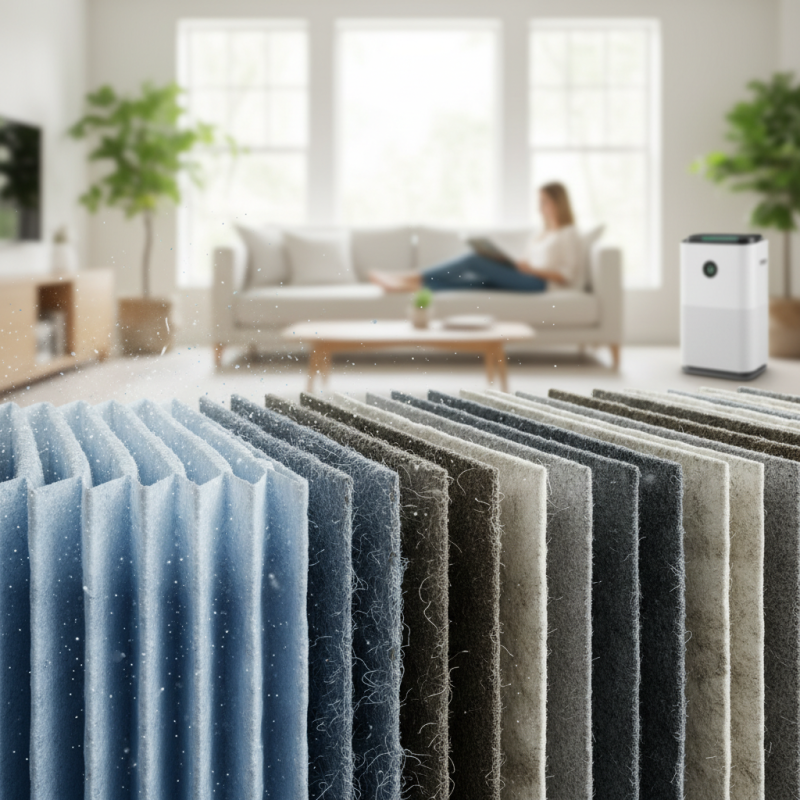
Pleated air filters are designed to enhance indoor air quality by effectively capturing airborne particles, pollutants, and allergens. The structure of pleated filters, characterized by their multiple folds, significantly increases the surface area available for filtration. This design allows for a more efficient airflow while providing superior filtration capabilities compared to standard flat filters. The deeper folds can trap a larger volume of dust and particles, reducing the need for frequent replacements and maintaining optimal performance over longer periods.
What makes pleated air filters particularly effective is their material composition. Most filters are made from a blend of synthetic fibers that enhance filtration efficiency. These materials are engineered to capture microscopic particles, including pollen, pet dander, mold spores, and even smoke. The electrostatic charge often found in these filters aids in attracting and holding onto small particles, further improving their performance. Additionally, the varying MERV (Minimum Efficiency Reporting Value) ratings of pleated filters indicate their ability to remove particles of different sizes, allowing consumers to select the right filter for their specific indoor air quality needs. Ultimately, understanding the effectiveness of pleated air filters and their materials is crucial for achieving a healthier indoor environment.
Key Materials Used in Pleated Air Filters for Indoor Air Quality
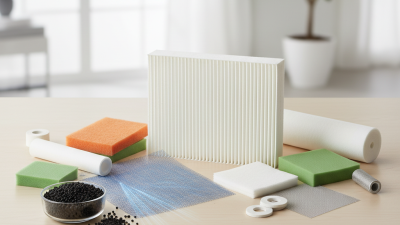
When selecting pleated air filters for optimal indoor air quality, it is essential to understand the key materials that contribute to their effectiveness. One of the primary materials used in pleated air filters is synthetic media, which offers a high level of filtration efficiency while maintaining airflow. This synthetic material is often engineered to capture a wide range of particles, including dust, pollen, and pet dander, making it a popular choice for residential and commercial settings alike. The durability of synthetic fibers also means that these filters can maintain their performance over longer periods, reducing the need for frequent replacements.
Another important material often found in pleated air filters is electrostatically charged fibers. These fibers enhance the filter's ability to attract and capture airborne pollutants without significantly affecting airflow. The electrostatic charge helps to trap smaller particles that might otherwise pass through traditional filters, thus improving overall air quality. Additionally, some advanced filters utilize a blend of materials that combines the advantages of both synthetic and natural fibers, providing an optimal balance of filtration efficiency and airflow resistance. By choosing pleated air filters made from these innovative materials, consumers can significantly enhance the indoor air quality in their homes and workplaces.
Comparative Analysis of Synthetic vs. Natural Filter Materials
When it comes to pleated air filters, the choice between synthetic and natural materials plays a crucial role in maintaining optimal indoor air quality.
Synthetic filters are typically made from man-made fibers such as polyester or polypropylene. These materials are designed to enhance filtration efficiency while providing durability and longevity. They often have a higher MERV (Minimum Efficiency Reporting Value) rating, allowing them to capture smaller particles, including allergens, dust, and pet dander. Their moisture resistance also prevents mold growth, making them a practical choice for various indoor environments.
On the other hand,
natural filter materials, such as cotton and wool, offer a more eco-friendly option. While they may not provide the same high filtration efficiency as synthetic options, they excel in air circulation, which can be beneficial in certain systems. Natural filters tend to be biodegradable, thus contributing less to landfill waste. However, they may require more frequent replacement to maintain efficiency, as they can be more susceptible to dust buildup.
Tips: When selecting an air filter, consider your specific needs—whether you're looking for high filtration efficiency or a more sustainable option. Regular maintenance is key; schedule monthly checks to ensure your filter is free from dust and debris, allowing for optimal airflow. Additionally, be sure to check the MERV rating to match the filter with your indoor air quality requirements.
The Importance of MERV Ratings in Air Filter Selection
MERV ratings, or Minimum Efficiency Reporting Values, play a crucial role in air filter selection. This standardized rating system helps consumers understand how effectively a filter can capture various airborne particles. Filters are assigned a MERV rating on a scale from 1 to 16, with higher ratings indicating a greater ability to trap smaller particles, such as dust, pollen, mold spores, and even smoke. For homeowners looking to improve indoor air quality, understanding MERV ratings is essential to selecting a filter that balances performance with airflow efficiency.
Selecting a filter with an appropriate MERV rating not only ensures cleaner air but also can significantly affect the overall energy efficiency of HVAC systems. Filters that are too restrictive can lead to higher energy consumption as the system works harder to maintain airflow. Conversely, filters with a lower MERV rating may not effectively capture the pollutants present in the air. Therefore, finding a filter that aligns with the specific needs of your indoor environment—while considering the capabilities of your HVAC system—is vital for optimizing indoor air quality without straining the system.
2025 Guide: Best Pleated Air Filter Materials for Optimal Indoor Air Quality
The chart above illustrates the MERV ratings for various pleated air filter materials, helping consumers understand which materials provide optimal indoor air quality. Higher MERV ratings indicate better filtration efficiency.
Maintenance Tips for Maximizing Filter Efficiency and Lifespan
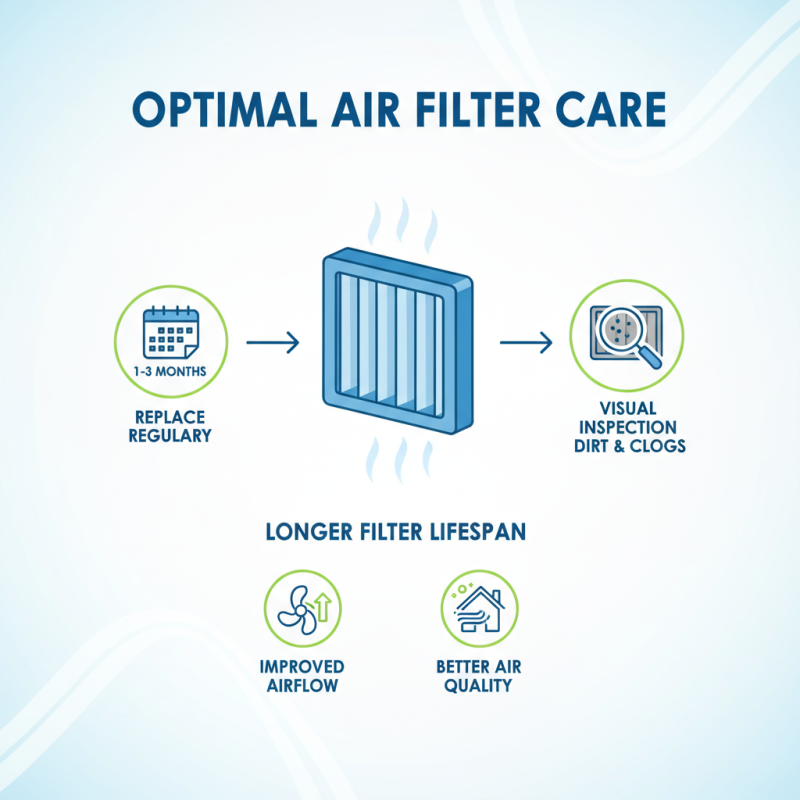
To maximize the efficiency and lifespan of pleated air filters, regular maintenance is essential. One of the most effective strategies is to check and replace filters as needed. Typically, filters should be replaced every 1 to 3 months, depending on the level of usage and the surrounding environment. A visual inspection can often reveal dirt buildup; if the filter appears dirty or clogged, it’s time for a replacement. This proactive approach helps maintain optimal airflow and indoor air quality.
Additionally, maintaining proper humidity levels in your home can significantly extend the life of your air filters. High humidity can increase the growth of mold and mildew, which can quickly accumulate on filters and reduce their effectiveness. Using a dehumidifier or ensuring good ventilation in moisture-prone areas will help keep humidity levels in check, thereby enhancing filter performance.
Lastly, consider implementing a routine cleaning schedule for your HVAC system. Regularly vacuuming the vents and ducts can prevent dust and debris from entering the air filter system, which helps maintain cleaner air and reduces the frequency of filter changes. Investing time in these maintenance tips not only optimizes filter efficiency but also contributes to a healthier living environment.